




Do You Really Need a Big Solar System? Small Systems Work

Think you need a massive solar system with batteries? Think again. Small 4-5kW systems can achieve 100% energy offset in California.
The $25k Solar Myth That's Costing You Thousands
You've probably heard it before: "To go solar properly, you need at least a 10kW system with battery backup. That'll run you $25,000 to $30,000."
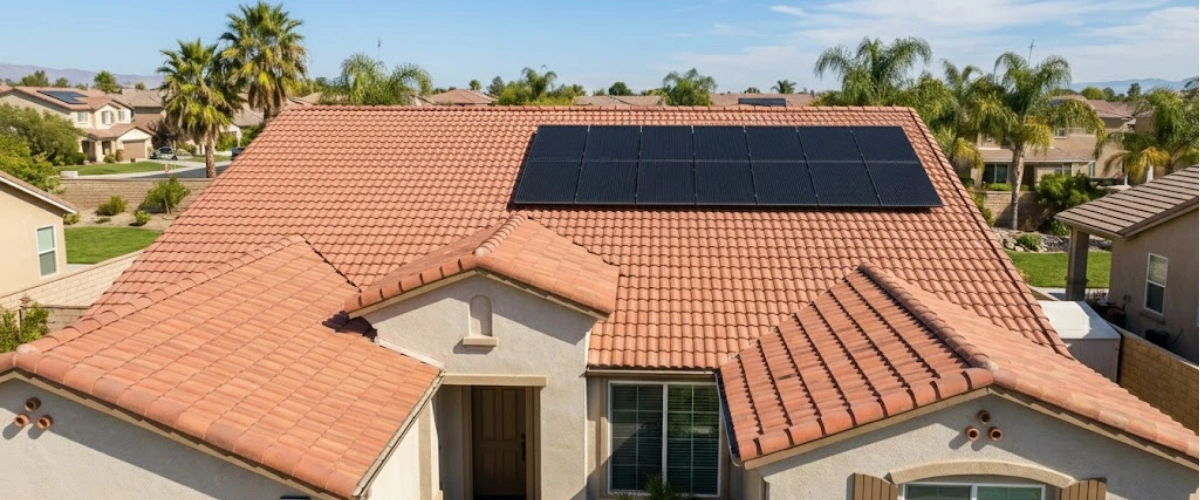
One California homeowner recently shared their experience on Reddit that completely shatters this narrative. They installed a modest 4.4kW solar system for just under $10,000 (post-tax credit) and achieved 100% offset of their annual electricity usage. No batteries. No massive investment. Just smart system sizing and strategic energy use.
Their takeaway? "We would have had a system like this years ago if we hadn't been convinced that we needed a massive system with batteries that cost $25k starting."
Sound familiar? If you've been putting off solar because you think it requires a huge financial commitment, this article will show you a different path.
Why Small Solar Systems Are Gaining Popularity in California
Here's what most solar companies won't tell you: bigger isn't always better. Especially under California's current net metering rules.
Small solar systems (4kW to 6kW) are perfect for homeowners who:
- Live in energy-efficient homes (under 1,000 kWh per month)
- Have upgraded to LED lighting and efficient appliances
- Don't have electric vehicle charging needs (yet)
- Want to minimize upfront costs while maximizing ROI
The Real Numbers Behind Small System Success
The Reddit homeowner's setup included:
- 10 panels at 440W each (4.4kW total capacity)
- Tesla string inverter for grid-tie connection
- Total cost: ~$10,000 after the 30% federal tax credit
- Result: 100% annual energy offset
Their highest monthly consumption? Just 757 kWh. That's significantly lower than California's average of 1,500+ kWh per month, but it's achievable through efficiency improvements.
What Changed Their Economics: The Heat Pump Factor
Here's where it gets interesting. The same day their solar came online, their old HVAC system died. Instead of replacing it with another natural gas furnace, they switched to an efficient heat pump that pulls just 1.1kW when heating.
This created a perfect synergy: their solar panels could cover heating costs even in winter, turning what could have been a major expense into essentially free warmth during sunny days.
How NEM 3.0 Changes the Battery Equation
California's Net Energy Metering 3.0 policy dramatically changed the economics of solar. Here's what you need to know.
The Export Rate Reality
Under NEM 3.0, utilities pay homeowners roughly $0.07 per kWh for excess solar energy sent to the grid. But they charge $0.15 to $0.30+ to buy that same energy back during evening hours.
This 2x to 4x price differential makes understanding NEM 3.0 export rates critically important to understand.
Why Self-Consumption Beats Storage (Sometimes)
The homeowner put it perfectly: "Because we are on NEM 3.0, the most efficient thing I can do with the energy is use it, rather than sell it back to the grid."
They strategically:
- Heat-soak their house during peak solar production hours
- Charge their Tesla during the day (at lower rates)
- Run major appliances when the sun is up
- Avoid buying expensive grid power in the evening
Does this require some lifestyle adjustment? Yes—they set schedules for their HVAC and car charging. But the savings offset the minor inconvenience.
For homes with predictable daytime usage patterns, battery storage under NEM 3.0 might not move the economic needle as much as sales reps claim.
How to Right-Size Your Solar System (Without Overpaying)
Most solar companies have an incentive to sell you the biggest system your roof can fit. Here's how to avoid oversizing.
Step 1: Analyze Your Actual Usage
Pull your last 12 months of electricity bills. Look for:
- Total annual kWh consumption
- Highest usage months (typically summer for AC)
- Average daily consumption patterns
- Any major upcoming changes (EV purchase, home additions)
Understanding system sizing based on your usage ensures you're not paying for capacity you'll never use.
Step 2: Account for Efficiency Improvements
Before sizing your system, consider:
- Switching to LED lighting (saves 200-400 kWh annually)
- Upgrading to Energy Star appliances
- Improving insulation and air sealing
- Installing a smart thermostat
The Reddit homeowner's peak monthly usage was just 757 kWh because they'd already optimized their home's efficiency.
Step 3: Plan for Strategic Self-Consumption
Under NEM 3.0, when you use your solar energy matters as much as how much you generate.
High-efficiency appliances paired with solar create powerful savings. Understanding which heat pump systems paired with solar and other major loads consume the most power helps you time usage for maximum solar offset.
The 100% Offset Myth
Some utilities, like the homeowner's municipal provider, cap solar system size at 100% of previous year's usage. But even without this restriction, oversizing beyond 110-120% rarely makes financial sense under NEM 3.0's low export rates.
How US Power Makes Small Systems Affordable
At US Power, we've installed hundreds of right-sized systems for Southern California homeowners. Here's our approach.
Factory-Direct QCells Pricing Advantage
We're California's exclusive QCells partner with QCells factory-direct pricing. This means:
- 15-20% below typical market rates on American-made panels
- No middleman markups or dealer fees
- Direct manufacturer support and warranty service
- Premium tier-1 panels at competitive pricing
For a 4.4kW system like the Reddit example, our factory-direct model can save $1,500 to $2,500 compared to traditional solar retailers.
Transparent System Design Process
Our CSLB-licensed consultants:
- Review your actual 12-month usage data
- Recommend the minimum system size that achieves your goals
- Present multiple equipment options at different price points
- Never pressure you into oversized systems
We've found that 40% of Southern California homeowners actually need smaller systems than they've been quoted elsewhere.
Faster Installation Timeline
Unlike national installers juggling thousands of projects, US Power's streamlined process delivers:
- 3-6 weeks from approval to activation
- Local crews familiar with LA, Orange County, and Ventura permitting
- Direct communication (no subcontractors)
- Same-day issue resolution
Understanding the full solar installation timeline helps you plan the switch without stress.
Strategic Self-Consumption: Making Every Watt Count
Without batteries, maximizing your solar investment means using energy when you're producing it. Here's how.
Time-Shifting High-Draw Activities
The Reddit homeowner nailed this strategy:
- Heating/cooling: "Heat-soak" the house during peak production (10am-3pm)
- EV charging: Schedule car charging for midday instead of overnight
- Major appliances: Run dishwashers, laundry, pool pumps during solar hours
This approach isn't fully automated like battery systems, but it's significantly cheaper and often delivers 80-90% of the benefit.
Smart Thermostat Integration
Modern thermostats can pre-cool or pre-heat your home during solar production hours, then coast on thermal mass during expensive evening periods.
For the 1.1kW heat pump mentioned in the thread, this meant essentially free heating whenever the sun was shining.
The Economics of "Good Enough"
The homeowner admitted: "a Powerwall/battery wouldn't really move the economic needle" for their situation.
Why? Because with disciplined consumption habits:
- They rarely buy expensive peak-rate electricity
- Their export losses are minimal
- The $8,000-$15,000 battery cost would take 15+ years to pay back
Sometimes buying versus leasing solar panels matters less than simply owning an appropriately-sized system.
When Small Systems DON'T Make Sense
To be clear: small solar systems aren't for everyone. You probably need a larger system (6kW+) or batteries if:
High Baseline Consumption
If you're consistently using 1,500+ kWh per month, a 4-5kW system won't cut it. You'd need 8-12kW to achieve meaningful offset.
All-Electric Home
Homes with electric water heaters, ranges, and dryers typically need larger systems. The Reddit homeowner still uses natural gas for cooking and hot water.
EV Charging Needs
Adding an electric vehicle adds roughly 300-500 kWh per month. If you're charging at home, factor this into your system size calculations.
Unreliable Grid / Backup Requirements
If you experience frequent outages or need guaranteed backup power, batteries become necessary regardless of economics. Small systems can still work—you'd just add a Powerwall or QCells battery later.
Zero Daytime Usage
If nobody's home during solar production hours and you can't shift major loads, your export losses under NEM 3.0 might make a battery worthwhile despite the upfront cost.
Taking Action: Your Next Steps
Ready to explore whether a right-sized solar system makes sense for your home?
Step 1: Gather Your Data
Before your consultation, pull together:
- Last 12 months of electricity bills
- Your average monthly kWh usage
- Any planned changes (EV purchase, home addition, pool)
- Your roof's approximate sun exposure
Step 2: Get an Honest Assessment
Schedule a free consultation with US Power. We'll:
- Review your actual usage patterns
- Recommend the optimal system size (often smaller than you've been quoted)
- Show you actual solar costs in California with factory-direct pricing
- Present options with and without batteries
Step 3: Lock In 2025 Incentives
The 30% federal solar tax credit drops to 26% in 2026. On a $10,000 system, that's $400 in lost savings. Our fast installation process means you can still get activated before year-end.
Making the Smart Choice for Your Home
The homeowner who inspired this article summed it up perfectly: "Love our little system!"
For years, they'd been told solar required a massive investment. The reality? A modest 4.4kW system delivered exactly what they needed—100% energy offset, dramatically lower bills, and freedom from rising utility rates.
Your situation might be different. You might need a larger system, or batteries might make sense for your usage patterns. But one thing is certain: you deserve an honest assessment based on your actual needs, not a sales quota.
At US Power, we specialize in right-sizing solar systems for Southern California homes. Our factory-direct QCells pricing, transparent consultation process, and fast installation timeline mean you get exactly what you need—nothing more, nothing less.
Frequently Asked Questions
Can a 4-5kW system really offset 100% of my usage?
What if my usage increases in the future?
Do I need batteries with a small system?
How long does a small system take to pay for itself?
Will a small system work if I add an EV later?


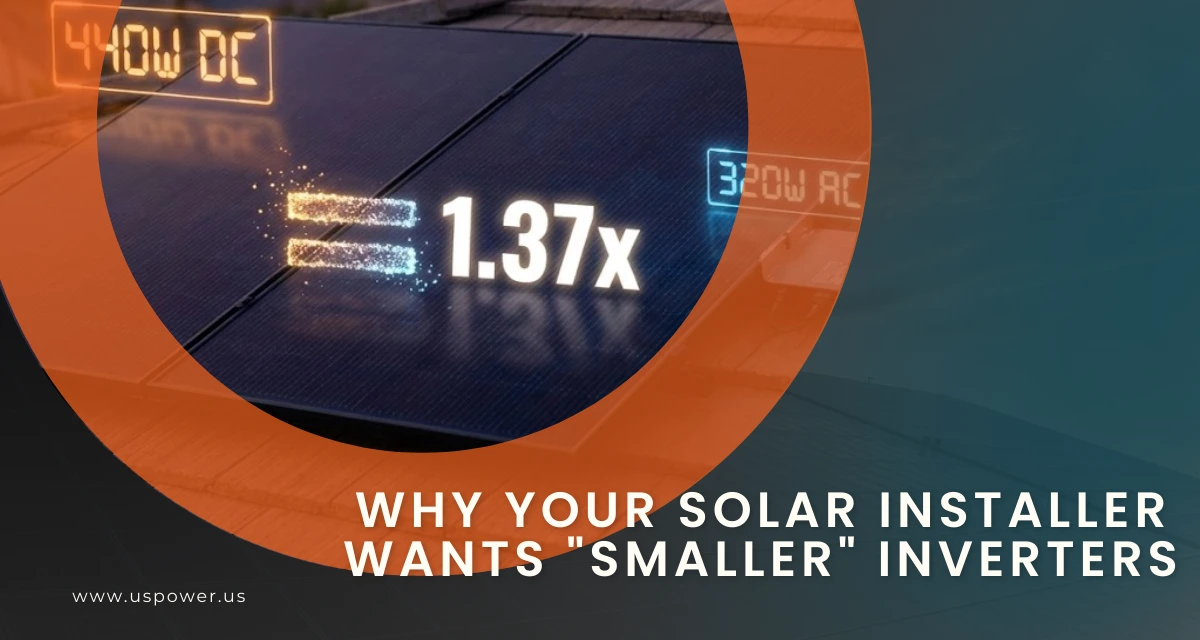
Why Solar Installers Use Smaller Inverters (It's Not What You Think)
That "undersized" inverter on your solar quote isn't a cost-cutting trick—it's an eng
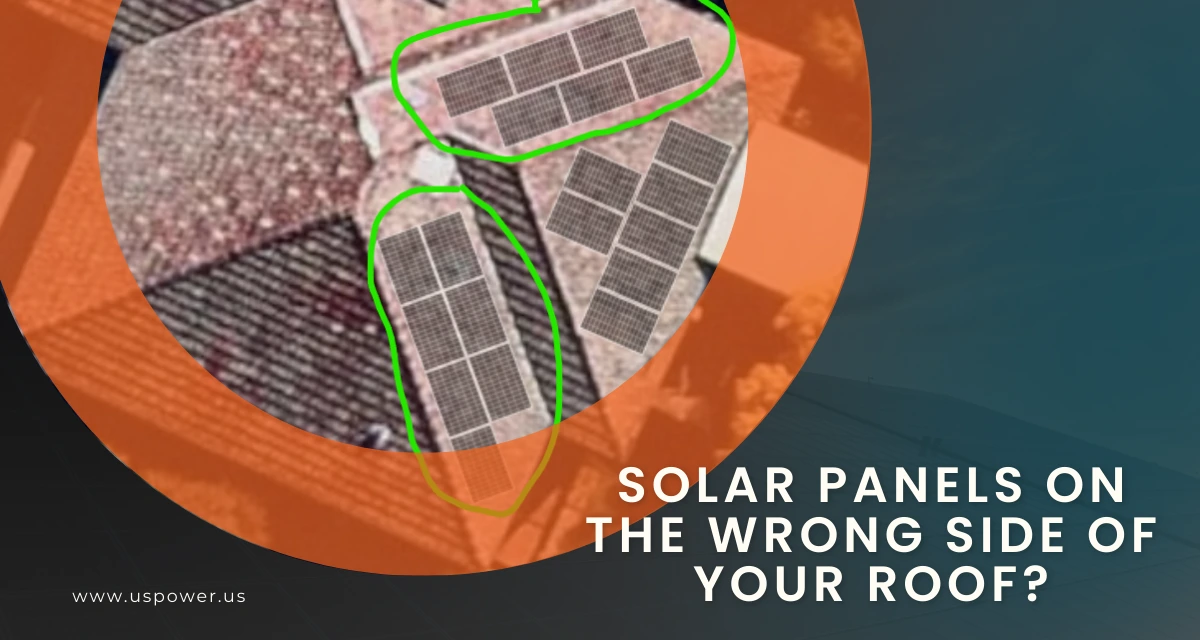
Solar Panels on the Wrong Side of Your Roof? Here's What to Do
Expert guide for Southern California homeowners on solar panel orientation & NEM 3.0.

Why 2025 Is the Best Year for California Families to Go Solar
Take advantage of full solar tax credits and rising energy rates—go solar now.








Derechos de autor © 2025 US POWER | Energía solar y techosUS Power - Axia by QCells. All Rights Reserved.

¡Obtenga una estimación solar instantánea usando el satélite!