




How Much Do Solar Panels Cost in California?

Understand solar panel costs per watt, system sizes, and how to maximize savings with high-quality panels and battery storage in California.
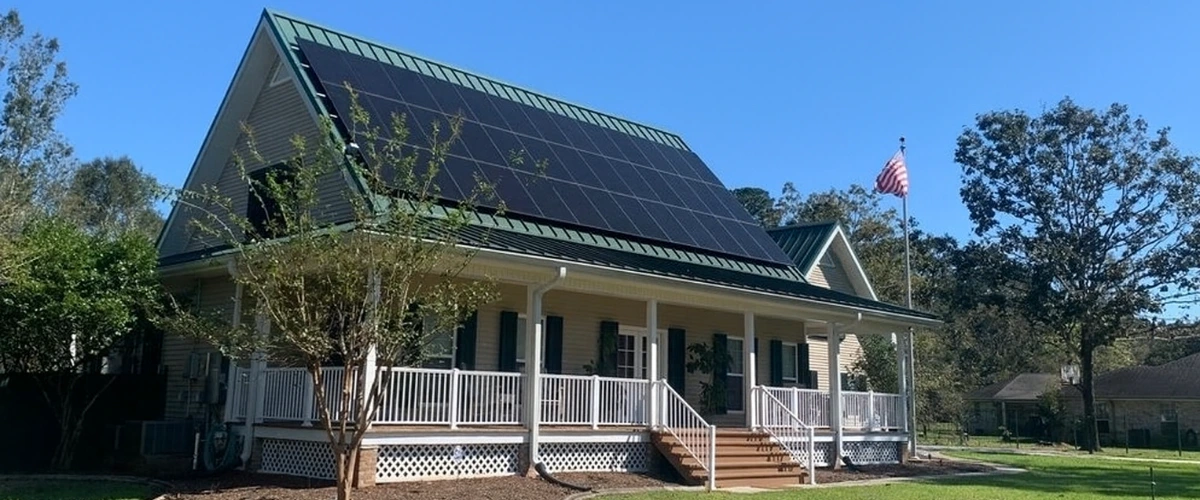
If you’re building or buying a home in California and thinking about going all-electric, you might be wondering: how much do solar panels cost, and what size system do I need? From air conditioning and electric water heaters to ovens and electric fireplaces, powering your home entirely on clean energy is a big goal—but it’s achievable.
This guide breaks down home solar panel costs, average prices per watt, and what to expect when installing a solar panel system in Southern California. We’ll also touch on insights for other regions, so you can see how solar panel costs compare across states.
At US Power, we specialize in helping California homeowners get high-quality solar panels and battery storage with factory-direct pricing through our exclusive partnership with QCells.
Why Homeowners Choose Solar Panels
Homeowners consider installing a home solar panel system for three main reasons:
- Reduce or eliminate monthly utility bills
Many homeowners dream of cutting their electricity bills dramatically or even achieving a negative electric bill. A properly sized solar system lets you generate your own power year-round.
- Reliable energy and backup power
Pairing your solar panels with battery storage ensures your home stays powered even during outages, providing peace of mind.
- A smart long-term investment
With rising electricity costs in California and incentives like the 30% federal tax credit, a home solar panel system is financially compelling.
How Much Do Solar Panels Cost in California?
The cost of a solar panel system depends on several factors: the system size, the brand of panels, installation complexity, and any roof or electrical upgrades. Here’s a breakdown for a typical 1600 sq ft all-electric home in Southern California:
- Electric appliances included: AC, electric water heater, stove, oven, microwave, and electric fireplace.
- Estimated energy usage: Around 9,500 kWh per year.
- Recommended system size: 7–10 kW, depending on your actual energy usage and lifestyle.
Tip: Oversizing your system slightly ensures your home is powered even during winter months when solar production drops.
Average Solar Panel System Costs
Here’s what Southern California homeowners can expect when calculating costs for solar panels:
- Cost per watt: $2.50–$3.00 is considered the average cost per watt for a full system.
- Home solar panels in other states may be slightly higher or lower depending on incentives and sun exposure. Comparing California and other states, the average solar panel costs are fairly similar, but incentives and utility rates can make a big difference in overall savings.
What Impacts Solar Panel Costs?
Several factors affect the cost of solar panels and panel systems:
- System size – Larger homes or all-electric lifestyles require more panels.
- Roof condition – Panels last 25+ years, so it’s best to install them on a roof in good shape. Replacing the roof or reinforcing it adds to solar panel costs.
- Panel type and brand – QCells panels are high-efficiency, durable, and American-made. Using high-quality panels may increase initial panel cost, but they maximize energy production.
- Battery storage – Optional but recommended for full home solar power coverage, especially if you want to charge an EV.
- Shading and orientation – South-facing roof planes produce more energy; trees, vents, or chimneys may reduce output.
Homeowners often underestimate these factors, which is why a trusted solar consultant can help ensure your solar panel system is sized and installed correctly.
Avoiding Common Solar Panel Pitfalls
Even though the average cost of solar panels is predictable, there are some hidden factors to consider:
- Improper system sizing – Too small, and you’ll still rely on the grid. Too large, and upfront costs rise unnecessarily.
- Shading – Even a single tree can reduce panel output, especially in winter.
- Roof replacement – If your roof is nearing its lifespan, it’s best to replace it before installing panels to avoid removal and reinstallation costs.
- Animal damage – Squirrels and birds can damage wiring; mesh or protective barriers prevent costly repairs.
- Installer reliability – Choose a reputable installer like US Power to ensure warranties, accurate sizing, and ongoing support.
Why QCells Panels Make a Difference
Our exclusive QCells panels help California homeowners maximize energy production with:
- High efficiency panels – Generate more electricity per panel.
- Durable construction – Withstand California’s sun, wind, and dust.
- American-made, factory-direct pricing – Lower costs without compromising quality.
Combine QCells panels with battery storage, and you can power your home year-round while reducing reliance on utility companies.
Steps to Plan Your Home Solar Panel System
- Estimate your energy usage
Review past bills or use a load calculator. Include AC, water heating, cooking, and any future EV charging. - Prepare your roof
Make sure your roof is in good condition. Replace or reinforce as needed. - Request multiple quotes
Compare panel costs, system prices, and financing options. Don’t just pick the lowest price—check warranties, reviews, and company experience. - Consider battery storage
Determine if you want backup power or to store energy for evening use. - Factor in incentives
Federal tax credits, California rebates, and utility incentives can significantly reduce solar panel costs.
Comparing California and Other States Solar Panels Costs
For homeowners in other states, home solar panels can be slightly different in cost due to sun exposure and local incentives. However:
- Average solar panel cost per watt is similar in both states: $2.50–$3.00.
- System size recommendations are roughly the same for similar-sized homes.
- Battery storage may be more important in areas with frequent outages or high utility rates.
Whether in California or other state, a well-designed home solar panel system pays for itself in long-term savings.
Take Control of Your Energy Costs
Understanding how much solar panels cost in California helps homeowners make informed decisions. By carefully sizing your solar panel system, choosing high-quality panels like QCells, and planning for battery storage and roof readiness, you can enjoy:
- Lower or eliminated utility bills
- Reliable backup power
- Long-term financial savings
We specialize in designing and installing home solar panel systems tailored for Southern California homes. Factory-direct QCells panels and expert installation mean fewer surprises, better energy production, and more predictable savings.
Ready to see how much a home solar panel system could save you?
Schedule for a free consultation and quote!
Frequently Asked Questions
How much are solar panels in California?
The average cost for a residential solar panel system in California is $2.50–$3.00 per watt. For a typical 7–10 kW system, homeowners can expect to pay $25,000–$40,000 before incentives.
How many solar panels do I need for my home?
The number of panels depends on your energy usage, roof size, and system efficiency. Most Southern California homes require 20–30 panels for a standard 7–10 kW system.
Will solar panels increase my home’s value?
Yes. Homes with solar panels typically sell faster and at higher prices. Installing a high-quality system with battery backup can be a strong selling point in California.
Can I install solar panels on a flat roof?
Yes. Flat roofs can support solar installations using mounting systems with proper tilt and ballast. It’s important to work with an experienced installer to maximize efficiency.
Are solar panels worth it in areas with cloudy days?
Absolutely. Modern solar panels still produce electricity on cloudy days, though output may be reduced. Battery storage can help store excess energy for use when the sun isn’t shining.
Frequently Asked Questions


How to Monitor Solar Panel Performance: 7 Warning Signs
Track these 7 key indicators to ensure your solar system performs optimally.

How Factory-Direct Helps You Maximize the Solar Tax Credit
See how buying solar factory-direct can boost your solar tax credits and savings.

How Long Can a Solar Battery Power a House?
See how long a home solar battery can supply energy during outages or night.







Copyright © 2025 US Power - Axia by QCells. All Rights Reserved.

Get an instant solar estimate using satellite!