



What Happens If Your Solar Installation Fails Final Inspection?
Solar installation failed inspection in California? Top 5 reasons why, how to protect yourself with documentation, and what quality installers do differently.
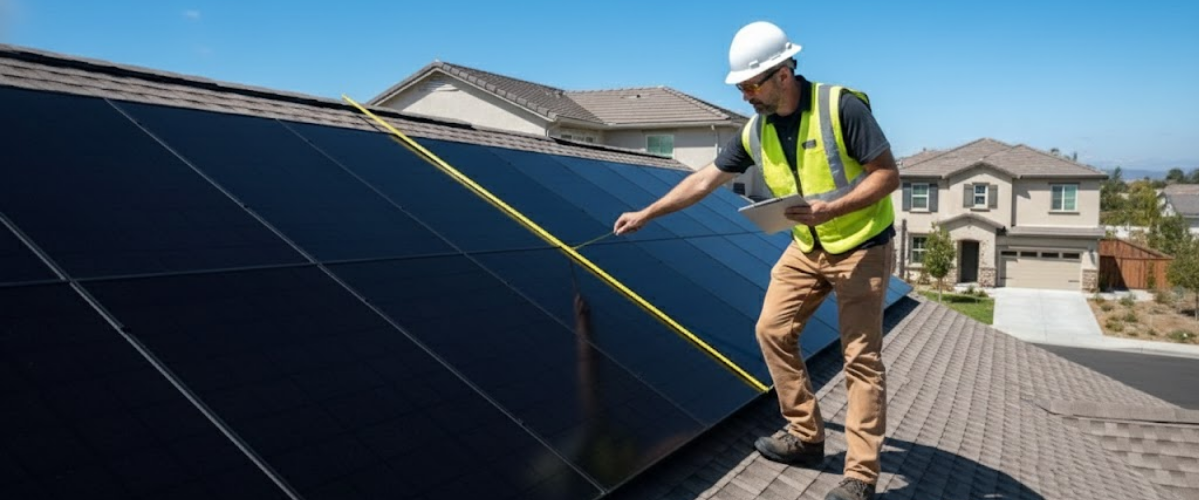
You've waited months for your solar installation. The panels are on your roof, the inverter is humming, and you're ready to start saving money. Then the inspector shows up—and suddenly, everything grinds to a halt.
Failed inspections aren't just frustrating. They delay your Permission to Operate (PTO), push back your savings timeline, and in worst cases, reveal serious safety issues that could cost thousands to fix. For Southern California homeowners rushing to claim the 30% federal tax credit before December 31, 2025, inspection failures can mean missing the deadline entirely.
The reality? Most inspection failures are completely preventable—but only if your installer knows what they're doing.
Understanding California's Solar Inspection Process
Before your solar system can generate power, it must pass a final inspection by your local building department. This isn't optional—it's the gateway to receiving your Permission to Operate (PTO) from SCE, PG&E, or your utility provider.
The inspection verifies that your installation meets California's Title 24 building codes, National Electrical Code (NEC) standards, and local fire safety requirements. Inspectors check everything from panel placement and electrical connections to proper labeling and fire setbacks.
What Inspectors Actually Look For
California fire code requires specific clearances around your solar array. Panels must maintain an 18-inch setback from the roof peak and 36 inches from the sides and bottom edges. These pathways allow firefighters to safely access your roof during emergencies.
Inspectors also verify that your system matches the approved permit documents. This includes confirming panel wattage, inverter specifications, conduit routing, and grounding connections. Any discrepancy between what was approved and what was installed can trigger a failure.
The solar installation timeline typically includes the inspection 1-2 weeks after installation completes. However, the solar permit process begins much earlier—and mistakes made during permitting often surface during inspection.
Why Inspection Timing Matters in 2025
With the 30% federal tax credit expiring December 31, 2025, timing is critical. Your system must be installed AND operational (receiving PTO) in 2025 to qualify. A failed inspection can delay PTO by 2-4 weeks or more, potentially costing you thousands in lost tax credits.
Top 5 Reasons Solar Installations Fail Final Inspection
Based on real homeowner experiences and inspector feedback, here are the most common failure points:
Missing or Inadequate Documentation
Inspectors need proof that your installation matches the approved plans. This includes photos of roof setbacks, confirmation of panel specifications, and documentation of electrical connections. When installers fail to provide proper documentation—or worse, lose track of what panels they actually installed—inspections fail.
One homeowner near Washington D.C. nearly failed because their installer couldn't prove which panels were on the roof. The original 440W panels were stuck in customs, so the installer substituted 450W panels but never documented the change. Only the homeowner's personal photos of the panel serial numbers saved the inspection.
Incorrect Fire Setbacks
The 18-inch peak and 36-inch side setbacks aren't suggestions—they're California code requirements. Installers who maximize panel coverage sometimes cut corners on setbacks, especially on smaller roofs where space is tight.
Inspectors won't approve systems that block firefighter access. If your installer measured incorrectly or ignored setback requirements, you're looking at panel removal and reinstallation—a costly fix that delays your PTO by weeks.
Electrical Code Violations
Common electrical violations include improper grounding, missing conduit supports, incorrect wire sizing, and improperly secured junction boxes. These aren't cosmetic issues—they're safety hazards that can cause fires or electrocution.
Quality installers know NEC standards inside and out. Common solar installation problems often trace back to inexperienced electricians or rushed installation crews trying to meet quotas.
Conduit and Equipment Placement Issues
Your conduit runs must meet specific requirements for outdoor exposure, proper support spacing, and weatherproofing. Equipment like inverters and rapid shutdown devices need proper clearances and labeling.
In one case, an installer ran conduit along a shared wall without checking HOA covenants or discussing it with the neighbor. While technically legal, this created complications that delayed final approval and strained neighbor relations.
Panel Accessibility and Measurement Problems
Inspectors need to verify your installation, which sometimes means accessing the roof. Steep pitches, recent weather, or proximity to no-fly zones (like near Reagan Airport or military installations) can prevent standard inspection methods.
When inspectors can't use drones or safely access steep roofs, they rely entirely on installer-provided documentation. If that documentation is incomplete or unclear, the inspection fails.
Red Flags That Lead to Failed Inspections
Not all solar companies are created equal. Here are warning signs that your installer might cut corners:
They Rush Through Documentation
Quality installers photograph every step: panel serial numbers, setback measurements, electrical connections, conduit runs, and equipment placement. If your installer seems more focused on marketing photos than code compliance documentation, that's a red flag.
Before signing any contract, research How to choose a solar company to ensure they have proper licensing, insurance, and a track record of passing inspections the first time.
They Don't Explain the Process
Reputable installers walk you through the entire timeline, including permit submission, installation phases, and inspection requirements. They explain what documents you'll receive and when to expect PTO.
If your installer can't clearly explain when inspection happens or what the inspector will check, they probably don't have a solid quality control process.
Read about Things You Must Know Before Going Solar to understand what professional installers should cover.
They Disappear After Installation
Many homeowners report that their installer becomes unreachable after completing the physical installation. Phone calls go unanswered, emails get ignored, and suddenly you're dealing with inspection issues alone.
This pattern often indicates companies that prioritize volume over quality. They rush to the next job before ensuring your system passes inspection and receives PTO.
How to Document Your Installation (Protect Yourself)
Even with a quality installer, smart homeowners protect themselves through documentation:
Take Your Own Photos
Document everything your installer does. Photograph panel serial numbers before they go on the roof, measure and photograph setbacks yourself, and capture electrical connections before they're covered.
One homeowner's personal documentation saved their inspection when the installer's photos proved inadequate. Your photos provide insurance against incomplete installer records.
Verify Panel Specifications
Before installation begins, photograph the panels stacked in your garage or yard. Capture clear images of the specification labels showing wattage, manufacturer, and model numbers. If there's any discrepancy between what you were promised and what was delivered, you'll have proof.
Measure Setbacks Yourself
Buy a tape measure and verify the 18-inch peak and 36-inch side setbacks. Do this before the inspector arrives. If measurements are off, you can address it immediately rather than failing inspection and waiting weeks for a re-inspection.
Keep All Documentation Organized
Maintain a folder (physical or digital) with: your contract, permit applications, approved plans, installer photos, your personal photos, equipment specifications, warranty documents, and all correspondence with your installer.
Concerns about proper installation technique? Learn about whether installing solar panels causes roof leaks and what separates quality workmanship from shoddy installation.
What US Power Does to Guarantee Inspection Success
As Southern California's exclusive QCells partner, US Power has perfected the inspection process through thousands of installations:
Comprehensive Pre-Installation Planning
We review your roof layout, local code requirements, and fire department regulations before submitting permits. Our plans include detailed setback measurements, equipment specifications, and electrical schematics that satisfy even the strictest inspectors.
CSLB-Licensed Master Electricians
Every US Power installation is supervised by California State Licensed Board (CSLB) certified electricians. They know Title 24 requirements, NEC standards, and local amendments by heart. No cutting corners, no code violations, no surprises.
Triple-Documentation Protocol
We photograph and document: panel serial numbers before installation, setback measurements from multiple angles, all electrical connections and grounding points, conduit routing and support spacing, and equipment placement and labeling. This documentation package accompanies every inspection request.
Our process mirrors what solar panel warranties require—meticulous installation records that prove proper workmanship and protect your long-term investment.
3-6 Week Installation Timeline
Unlike installers who rush jobs and hope for the best, US Power maintains a structured timeline that allows proper planning, quality installation, and thorough documentation. From your signed contract to receiving PTO typically takes 3-6 weeks, with inspection approval usually happening on the first attempt.
25-Year Comprehensive Warranty
We stand behind our work with a 25-year warranty covering panels, workmanship, and performance. This isn't possible without passing inspections consistently and maintaining high quality standards throughout installation.
Want to avoid the hassle altogether? Learn about 5 Red Flags when Choosing a Solar Company so you can identify quality installers from the start.
What Happens If You Fail Inspection
If your installation fails, here's the typical process:
Your installer receives a correction notice detailing code violations or missing documentation. They must fix all issues before requesting a re-inspection. This usually adds 2-4 weeks to your timeline, though complex problems can take longer.
You won't receive PTO until you pass inspection. Without PTO, your system can't legally operate, meaning no energy production, no bill savings, and potential delays in claiming your tax credit.
In severe cases—like missing fire setbacks or serious electrical violations—you might need panel removal and reinstallation. This can cost thousands in additional labor and delay your PTO by months.
The Financial Impact
Beyond delayed savings, failed inspections can jeopardize your 30% federal tax credit if they push your PTO date past December 31, 2025. For a typical $30,000 system, that's $9,000 lost to poor planning or sloppy installation.
Getting It Right from the Start
The best way to avoid inspection failures is choosing a quality installer from day one. Look for companies with proper CSLB licensing, comprehensive warranties, clear documentation processes, and verified customer reviews from real homeowners.
US Power's exclusive QCells partnership means factory-direct pricing 15-20% below market rates, American-made panels from Dalton, Georgia, and installation quality backed by one of the world's leading solar manufacturers.
With the 30% federal tax credit expiring December 31, 2025, now is the time to act—but only with an installer who guarantees first-time inspection approval and timely PTO. Don't risk your solar investment on inexperienced installers who cut corners and create headaches. Partner with a company that has mastered every step from permit to PTO.
Frequently Asked Questions
How long does a solar inspection take in California?
Can I turn on my solar system before inspection?
What if my installer goes out of business before inspection?
Do I need to be home during the inspection?
What happens if the inspector finds minor issues?


Why Doesn't My Solar Monitoring Match My Utility Bill?
Monitoring app shows completely different energy numbers than your SCE or PG&E bill?
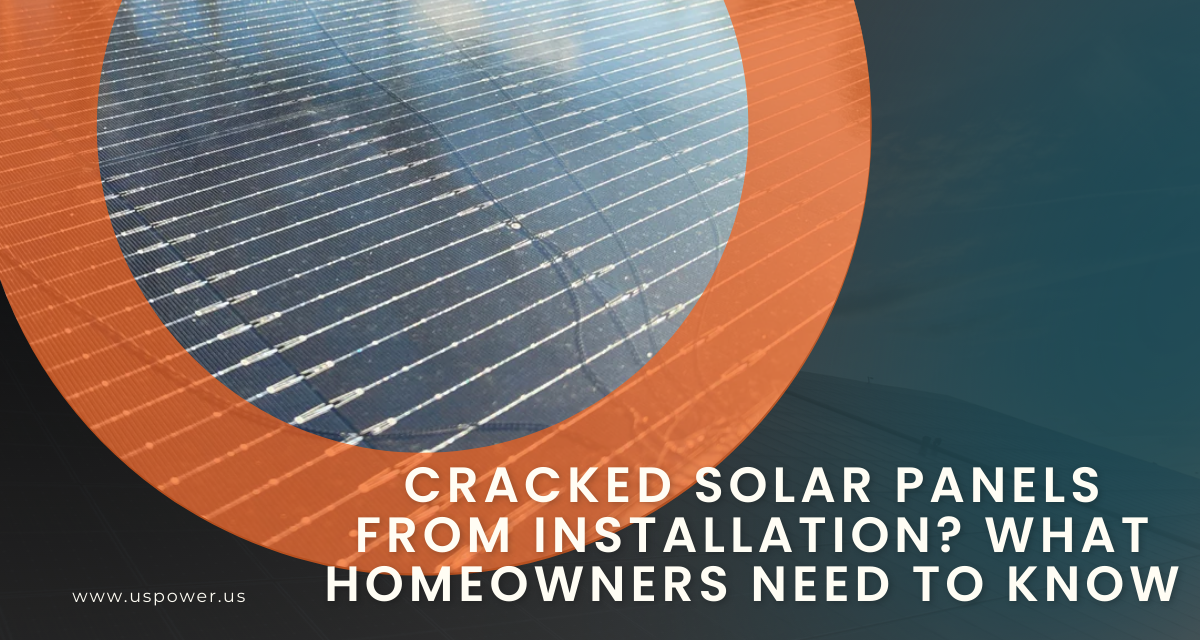
Cracked Solar Panels from Installation? What Homeowners Need to Know
Found cracks on brand new solar panels? We are here to help protect our customers.

Should You Buy a House with Solar Panels? What First-Time Buyers Need to Know
Should You Buy a House with Solar Panels? What First-Time Buyers Need to Know








Derechos de autor © 2025 US POWER | Energía solar y techosUS Power - Axia by QCells. All Rights Reserved.

¡Obtenga una estimación solar instantánea usando el satélite!