




Cracked Solar Panels from Installation? What Homeowners Need to Know

Thousands of California homeowners discover installation damage after it's too late. Learn the warning signs of poor workmanship and how to protect your $20,000+ investment.
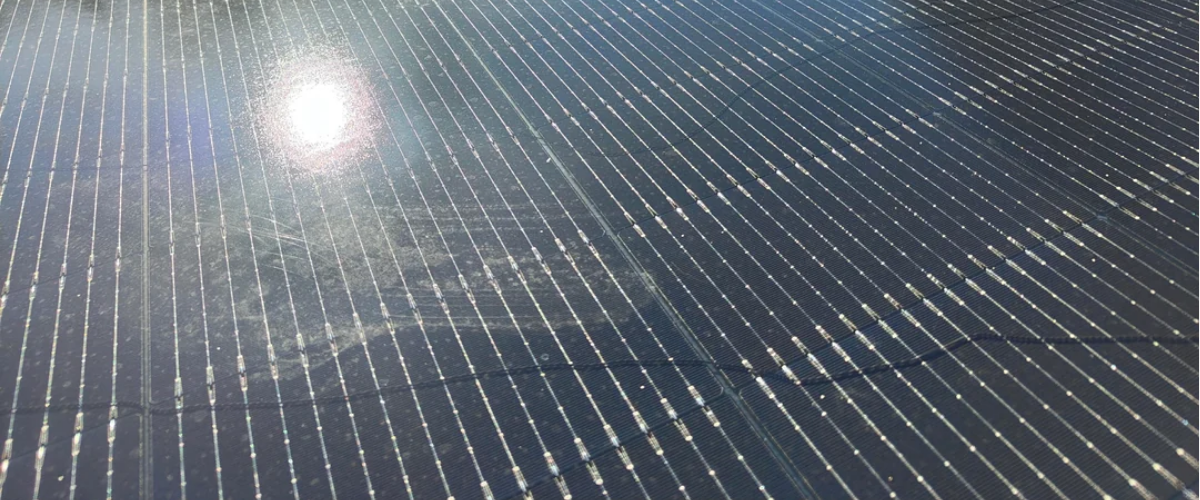
You just invested $25,000 in solar panels. The installer left yesterday, and you're excited about those future savings. Then you notice something odd—hairline cracks spreading across the glass surface of a brand new panel.
Your stomach drops. Is this normal? Should you worry? Will your warranty cover it?
If you're reading this, you've probably discovered cracks on your newly installed solar panels, or you're worried about installation quality before signing a contract. Either way, you need answers—and fast. This guide explains exactly why panels crack during installation, what it means for your system's performance, and how to avoid this expensive mistake.
Why Solar Panels Crack During Installation (And Why It's Almost Always the Installer's Fault)
Let's cut to the chase: cracked solar panels during installation are caused by human error, not manufacturing defects.
When solar installers attach panels to your roof, they use metal clamps (called "mid clamps") to secure the panels to the racking system. These clamps must be tightened to precise torque specifications—typically 15-20 Newton-meters (11-15 foot-pounds) for standard M8 bolts.
Here's where things go wrong.
The Over-torquing Problem
Many installers use impact drivers or power tools set too high, applying what solar professionals call "too much unga bunga" (yes, that's actual industry slang). When a clamp gets overtorqued, it puts excessive pressure on the aluminum frame of the panel, which then transfers stress directly to the tempered glass.
Solar panels use heat-strengthened glass, not fully tempered glass. This means they're more flexible and resistant to environmental stress, but more vulnerable to point-load pressure during installation. When that mid-clamp squeezes too hard, the glass develops stress fractures that appear as spiderweb cracks radiating from the clamp point.
Other Installation Mistakes That Cause Cracks
Grounding Pin Misalignment: Some racking systems use grounding pins that bond each panel to the metal rack. If an installer adjusts a panel after partially tightening it, the grounding pin can dislodge from its hole in the clamp and pierce through the panel frame, cracking the glass.
Lifting Panels with Clamps Attached: Installers sometimes tighten one side of the array, then lift panels to adjust cable management. This puts uneven stress on the frame and can cause hidden microcracks that expand over time.
Wrong Fastener Type: Using clamps designed for thicker frames on standard panels can create point-load pressure that glass wasn't engineered to handle.
Why Installation Quality Matters More Than Panel Quality
Here's something most solar companies won't tell you: you can have the world's best solar panels and still end up with a failed system if the installation is sloppy.
Think about it this way—would you rather have a Toyota installed by a master mechanic or a Ferrari assembled by someone who learned from YouTube videos? The panel brand matters, but installation quality determines whether your system lasts 25 years or fails in 5.
The Real Cost of Poor Installation
Cracked panels aren't just cosmetic issues. Even hairline cracks you can barely see create serious problems:
Water Infiltration: Cracks compromise the panel's weatherproof seal. Moisture seeps into the electrical components, causing corrosion and complete panel failure within 2-3 years.
Performance Loss: Cracks disrupt the electrical pathways in the solar cells. You might lose 10-40% of that panel's output immediately, with degradation accelerating over time.
Safety Hazards: Damaged panels can develop "hot spots" where electrical resistance creates heat buildup, potentially causing fires or complete system shutdowns.
Voided Warranties: Many panel manufacturers won't honor warranties for installation damage. If the installer won't replace it, you're stuck with a $300-500 loss per panel.
The solar industry saw 100+ company bankruptcies in 2024 as the market contracted 39%. Many installers cut corners to stay competitive, and homeowners pay the price. This is why solar installation quality issues have become one of the top complaints in California's solar market.
How to Spot Poor Installation Before It Happens
The best way to deal with cracked panels is to prevent them entirely. Here are the red flags that signal you're dealing with an inexperienced or careless installation crew.
Red Flag #1: No Torque Wrench on Site
Professional installers use calibrated torque wrenches for final tightening, not just impact drivers. If you see installers relying solely on power tools without manual torque verification, that's a problem. Ask your project manager: "What torque specs are your installers following, and how are they verified?"
Red Flag #2: Rushing Through the Job
Quality installation takes time. If installers are racing to finish your array in a single day when it should take 2-3 days, they're cutting corners. US Power's standard installation timeline is 3-6 weeks from approval to completion because we don't rush critical steps.
Red Flag #3: No Post-Installation Inspection
Reputable companies conduct visual inspections after mounting every row of panels. If your installer mounts all panels before checking for damage, they're prioritizing speed over quality. When choosing a solar company in California, always ask about their quality control process.
Red Flag #4: Unlicensed or Subcontracted Crews
California requires a C-46 Solar Contractor license or a general B-license with solar classification. Many large national solar companies subcontract installation to unlicensed third parties who lack proper training. Always verify that the actual installers (not just the company) hold valid CSLB licenses.
Red Flag #5: No Pre-Installation Training Documentation
Ask potential installers: "What manufacturer-specific training have your installers completed?" Premium panel manufacturers like QCells require certified installation training. If the company can't provide documentation, walk away.
What to Do If You Discover Cracked Panels After Installation
You've already signed the contract and paid the deposit. Now you're staring at visible cracks in your brand new solar array. Here's your action plan:
Step 1: Document Everything Immediately
Take clear, close-up photos of every crack from multiple angles. Include photos showing the crack's location relative to mounting clamps. Use a ruler in the frame to show scale. Time-stamp and date all photos. This documentation is critical if you need to file a warranty claim or legal dispute.
Step 2: Contact the Installer in Writing
Don't just call—send an email or certified letter documenting the issue. Include your photos and clearly state: "I've discovered cracks in panels [serial numbers] that appear to be caused by installation damage. Per your workmanship warranty, I'm requesting immediate replacement."
Most reputable installers will replace damaged panels free of charge. It's a 2-hour, $300 job they should have caught before leaving your property. If they refuse or make excuses, that's a major red flag.
Step 3: Escalate to the Manufacturer If Necessary
If your installer won't respond or refuses to replace the panels, contact the panel manufacturer directly. While they may determine it's installation damage (not a manufacturing defect), having their official assessment strengthens your case if you need to pursue legal action or file a complaint with the CSLB.
Step 4: File a CSLB Complaint for Licensed Contractors
California's Contractors State License Board handles disputes with licensed contractors. If your installer is CSLB-licensed and refuses to correct installation damage, file a formal complaint at cslb.ca.gov. This often motivates contractors to settle disputes quickly.
Step 5: Use Your Inspection Period Leverage
Most solar contracts include a post-installation inspection period (typically 7-14 days). If you discover cracks during this window, you have stronger leverage to demand corrections before signing final acceptance paperwork. Never sign final acceptance documents until you've thoroughly inspected the entire array.
What US Power Does Differently: Installation Quality You Can Trust
After reading about cracked panels and installation horror stories, you might be wondering: "How do I find an installer who actually does it right?"
US Power built its reputation on three non-negotiables: quality American-made panels, certified installation teams, and comprehensive warranty protection.
Factory-Direct QCells Panels with Proper Installation Training
US Power is California's exclusive QCells partner, which means two things for you. First, you get QCells panels from Dalton, Georgia—American-made panels ranked Tier 1 by Bloomberg and certified by TÜV Rheinland. Second, our installers complete QCells-specific training on proper mounting techniques, torque specifications, and quality control procedures.
We don't subcontract installation to random crews. Every US Power installer is a CSLB-licensed professional with documented training on the exact panels we install.
25-Year Comprehensive Warranty (Including Workmanship)
Most solar companies offer 10-year workmanship warranties and hope you forget about installation problems after that. US Power provides a 25-year workmanship warranty that covers installation errors, mounting hardware, and labor—matching the 25-year panel performance guarantee from QCells.
If a panel cracks due to improper installation (even 15 years from now), we replace it. No arguments, no passing blame to manufacturers, no surprise fees.
Real Installation Oversight with CSLB-Licensed Installers
Every US Power installation includes:
- Pre-installation site assessment with structural engineering review
- Calibrated torque wrench verification for all mounting hardware
- Row-by-row visual inspection during installation
- Final system inspection before energization
- Post-installation documentation with photos of completed work
Our installers know that what to expect during installation includes homeowner oversight. We encourage clients to observe the installation process and ask questions. If we're doing our job correctly, we have nothing to hide.
3-6 Week Installation Timeline (Because Quality Takes Time)
We don't promise 1-week turnarounds because that's how panels get cracked. Our standard timeline from contract signing to system energization is 3-6 weeks, which includes:
- Permit processing and utility approvals
- Engineered system design specific to your roof
- Scheduled installation with properly trained crews
- Local building inspection and utility interconnection
Yes, some companies claim faster timelines. They're also the ones generating the most complaints about common solar installation mistakes.
Beyond Cracked Panels: Other Installation Issues to Avoid
Over-torqued clamps aren't the only installation problem plaguing California's solar market. Here are other issues that separate quality installers from the rest:
Roof Penetration Leaks
Improperly sealed roof penetrations cause more long-term damage than cracked panels. Every mounting bolt creates a hole in your roof's waterproof barrier. Quality installers use proper flashing, sealant, and underlayment to prevent leaks. Cheap installers skip these steps and leave you with water damage that costs thousands to repair.
Electrical Code Violations
NEM 3.0 and California's 2024 building codes require specific electrical configurations, especially for systems with battery storage. We've seen installers skip required disconnects, use undersized conductors, or fail to properly ground systems—all of which create safety hazards and code violations that delay interconnection.
Poor Cable Management
Loose cables rubbing against roof surfaces degrade over time from UV exposure and thermal expansion. Professional installers secure all wiring with UV-resistant cable clips and ensure proper strain relief at connection points.
Incorrect Panel Orientation and Shading Analysis
Some installers maximize panel count without considering shading patterns throughout the year. This leads to underperforming systems and disappointed homeowners who don't see expected savings. US Power uses 3D modeling software to optimize panel placement for maximum annual production.
Your Next Steps: Protecting Your Solar Investment
Whether you're dealing with cracked panels or trying to avoid installation problems altogether, here's what you need to do:
If you already have cracked panels: Follow the five-step action plan above. Document everything, contact your installer in writing, and don't accept excuses. You paid for quality installation—demand it.
If you're shopping for solar: Prioritize installation quality over price. The cheapest quote is worthless if panels crack during installation. Ask every company:
- "Are your installers CSLB-licensed?"
- "What manufacturer-specific training have they completed?"
- "What's your workmanship warranty coverage period?"
- "Can I see photos of recent installations?"
If you're ready to go solar the right way: US Power makes it simple. We combine factory-direct QCells pricing (15-20% below market rates), certified installation crews, and comprehensive 25-year warranty protection. No surprises, no hidden fees, no cracked panels.
Installation Quality Determines Your Solar Success
Cracked solar panels from installation aren't rare manufacturing defects—they're preventable mistakes caused by untrained installers using improper techniques. Your solar system represents a $25,000+ investment that should deliver 25 years of clean energy and utility savings. Don't let sloppy installation turn that investment into an expensive headache.
The good news? You can avoid this entire problem by choosing an installer who prioritizes quality over speed. US Power's combination of American-made QCells panels, CSLB-licensed installers, and 25-year comprehensive warranty protection means your system gets installed correctly the first time.
But here's the urgency: The federal solar tax credit expires December 31, 2025. After that date, the 30% tax credit (worth $7,500-$9,000 for most systems) drops to 0%. That's a December 31, 2025 tax credit deadline you cannot afford to miss.
With US Power's 3-6 week installation timeline, you need to start the process now to lock in maximum savings before year-end. Don't let installation quality concerns delay your decision—that's exactly why we built our reputation on doing it right.
Frequently Asked Questions
Can cracked solar panels still produce electricity?
Will my solar panel warranty cover installation damage?
How can I tell if cracks happened during manufacturing or installation?
How long does it take to replace a cracked solar panel?
What if my solar company went out of business?


Do Solar Panels Work During Power Outages? California Guide 2026
Your panels are generating power, but your house sits in the dark during a blackout.

Why Some Solar Quotes Cost More Than Others in California
Discover why the lowest solar quote isn’t always the best deal. Make Smart Choices!

How to Avoid Permit Headaches & Speed Up Installation
Go solar faster in SoCal by avoiding permit and inspection delays with US Power.








Derechos de autor © 2025 US POWER | Energía solar y techosUS Power - Axia by QCells. All Rights Reserved.

¡Obtenga una estimación solar instantánea usando el satélite!