



Should You Buy a House with Solar Panels? What First-Time Buyers Need to Know
Buying a house with solar panels sounds like a money-saver, but solar leases can turn your dream home into a financial nightmare. Here's what every California homebuyer must know before signing.
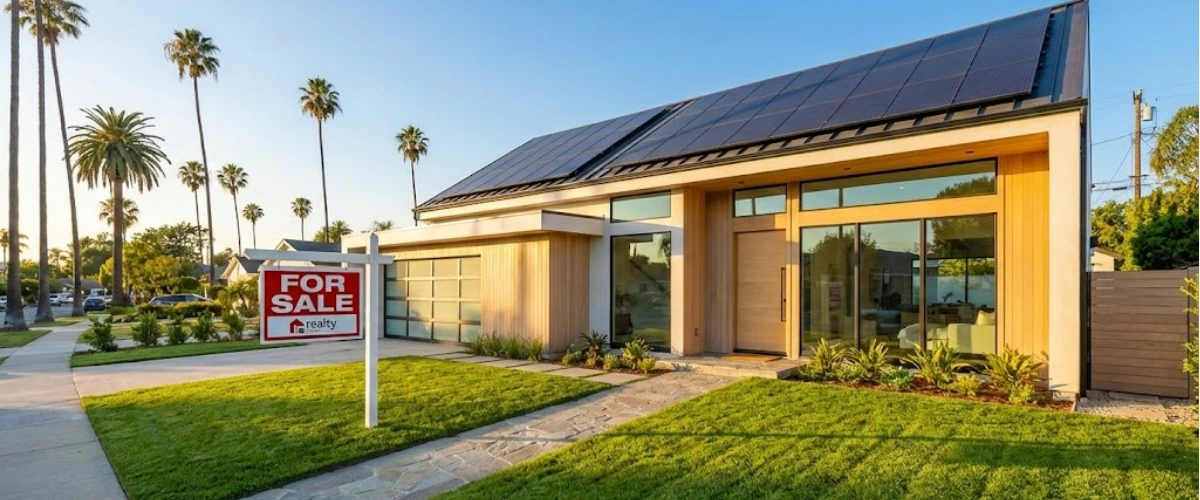
You found the perfect house. Great neighborhood, spacious yard, move-in ready. Then you notice the solar panels on the roof. The listing says "lower electricity bills!" But when you dig deeper, you discover a 25-year solar lease with payments climbing from $211 to $343 per month—totaling nearly $80,000. After all those payments, you still won't own the panels.
This isn't hypothetical. It's happening to California homebuyers right now, and it's one of the biggest hidden risks in today's real estate market.
Why Solar Leases Create Home Buying Nightmares
Solar leases were marketed as "no money down" ways to go solar, but they've created a minefield for buyers.
The Financial Trap in the Fine Print
A recent homebuyer discovered their dream house came with a Sunnova solar lease requiring $79,251 in payments over 25 years. Monthly costs start at $211 but escalate to $343 by year 25. After spending nearly $80,000, they still won't own the system.
Another detail stands out: a previous buyer already walked away because of this lease. When experienced buyers refuse a property specifically because of solar financing, that's your red flag. Properties with solar leases sit on the market longer and often sell for less than comparable homes.
The Real Math: Why That $211/Month Lease Costs $79,000
Most solar leases include annual escalators of 2.5% to 3.9%. That's a 63% payment increase over 25 years. Meanwhile, if you should you buy or lease solar panels, ownership means your panels are paid off after 10-20 years, then you enjoy truly free electricity.
What You Get for $79,000
For $79,000 in lease payments:
- No equipment ownership
- No home equity added
- No ability to modify the system
- Ongoing obligations for future buyers
- Service headaches with bankrupt companies
Compare that to buying a similar 13.7kW system in California: $38,000 (or $26,600 after the 30% federal tax credit). You own it completely, add home value, and have no payments after it's paid off. That's over $52,000 in savings.
The Bankruptcy Risk
Sunnova filed bankruptcy in June 2025. The new company (SunStrong) has a reputation for 2+ hour phone hold times and degraded service. When solar lease companies fail, customers face delayed repairs, poor service, and warranty uncertainty.
What Happens When You Try to Sell
Selling a house with a solar lease is dramatically harder. You face three bad options:
Transfer the Lease: Requires buyer approval. Many refuse outright or demand $10,000-$20,000 price reductions.
Pay Off the Lease: Early buyout often means paying the full remaining balance—over $50,000 for a lease with 17 years left.
Offer Concessions: Some sellers offer credits equal to 50%+ of remaining lease value, losing tens of thousands in equity.
Understanding how to transfer solar ownership when selling your home is critical—but with leases, there's no ownership to transfer, only obligations.
It Gets Worse Over Time
Solar leases become harder to transfer as they age. Older equipment produces less power, needs more repairs, carries higher payments (due to escalators), and offers fewer years of benefit to buyers. A buyer in 2033 looking at a 2017 lease sees 9 years of rising payments for aging equipment.
How US Power's Ownership Model Solves These Problems
Ownership eliminates every problem we've discussed. With US Power, you get:
- Factory-direct pricing: 15-20% below market through our exclusive QCells partnership
- American-made panels: QCells manufactured in Dalton, Georgia
- 25-year comprehensive warranty: Panels, workmanship, and performance
- No escalating payments: Fixed loan payments that end after 10-20 years
- Home value increase: Owned solar adds 4.1% average home value
- 30% federal tax credit: Expires December 31, 2025
Here's why owning your solar system beats leasing in every way.
The Tax Credit Advantage
With ownership, YOU claim the 30% federal solar tax credit. On a $35,000 system, that's $10,500 back. With leases, the company takes that credit while you make payments for 25 years.
The 30% credit drops to 0% after December 31, 2025. If you're buying a home with leased solar, you've already missed this. If you're considering solar, you have weeks to act.
What Owning Your Solar Actually Costs in Southern California
Through our exclusive partnership as California's #1 QCells installer, US Power offers factory-direct QCells pricing without dealer markups.
Real system costs (before 30% tax credit):
- 8kW system: ~$24,000 → $16,800 after credit
- 10kW system: ~$30,000 → $21,000 after credit
- 13.7kW system: ~$38,000 → $26,600 after credit
That $26,600 one-time cost versus $79,251 in lease payments saves you over $52,000 AND you own the system.
Financing options include fixed monthly payments (no escalators), 10-20 year terms, and immediate ownership. You get a 25-year warranty that protects your investment for equipment, performance, and workmanship.
With SCE rates exceeding $0.45/kWh during peak hours and the 30% tax credit expiring December 31, 2025, this is the optimal time to own solar—not lease it.
The Smart Way to Buy a House with Solar
If you're house-hunting and find solar, follow this action plan.
Step 1: Owned or Leased?
Ask directly: "Is the solar system owned or leased?"
If owned: Generally positive. Verify warranty transferability and system performance.
If leased: Proceed with caution. Request full lease documentation: monthly payments, escalation rates, remaining balance, buyout terms.
Step 2: Make Your Offer Contingent
Make offers contingent on the seller resolving the lease:
Best: Seller pays off lease at closing. They pay the buyout, remove the lien, you get a house with no solar obligation.
Second: Seller provides cash concession equal to 50%+ of remaining balance.
Walk away: If seller refuses both options, don't be afraid to walk. There are houses without predatory leases.
Red Flags
- Escalating payments exceeding 3% annually
- Total lease payments over $60,000
- Company in bankruptcy
- System 10+ years old with 15+ years remaining
- No performance guarantee
Learn how solar panels increase your home's value when properly owned, not leased.
Frequently Asked Questions About Buying Houses with Solar
Should I ever take over a solar lease?
Generally, no. Only consider it with significant concessions from the seller (50%+ of remaining value). Understand you're inheriting a long-term obligation that complicates your own future sale.
What if the seller won't pay off the lease?
Walk away or demand a price reduction equal to at least 50% of the remaining balance. Another buyer already walked from this property—the market recognizes it's a problem.
How do I verify a system is actually owned?
Request the original purchase agreement, loan payoff letter, or title search showing no UCC-1 filing (the lien leasing companies place). Your title company should catch any liens during closing.
What happens if the company goes bankrupt?
Your lease transfers to whoever acquires the contracts, but service quality often suffers. Sunnova/SunStrong customers report 2+ hour wait times and degraded service.
Making the Right Solar Decision
If buying a home with leased solar: Make your offer contingent on seller payoff or 50%+ concession. Be willing to walk away.
If buying a home with owned solar: Verify ownership, confirm warranty transfer, request production data. This is actually a valuable asset.
If considering solar for your current home: Ownership is the only smart option. With US Power's factory-direct pricing, 25-year warranty, and the 30% federal tax credit expiring December 31, 2025, you'll save $15,000-$30,000 versus leasing while actually owning your system.
The lesson is clear: solar leases create decades of problems. But solar ownership—with factory-direct pricing and comprehensive warranties—is one of the smartest investments you can make.
Don't repeat the mistakes of homeowners who signed predatory leases. Own your solar, own your savings, own your energy future.
Ready to make the smart choice? Contact US Power for a free consultation. We'll show you exactly what solar ownership costs for your home—with transparent pricing, no hidden fees, and no pressure. Just honest answers from California's #1 QCells installer.
Frequently Asked Questions
Should I ever take over a solar lease?
What if the seller won't pay off the lease?
How do I verify a system is actually owned?
What happens if the company goes bankrupt?


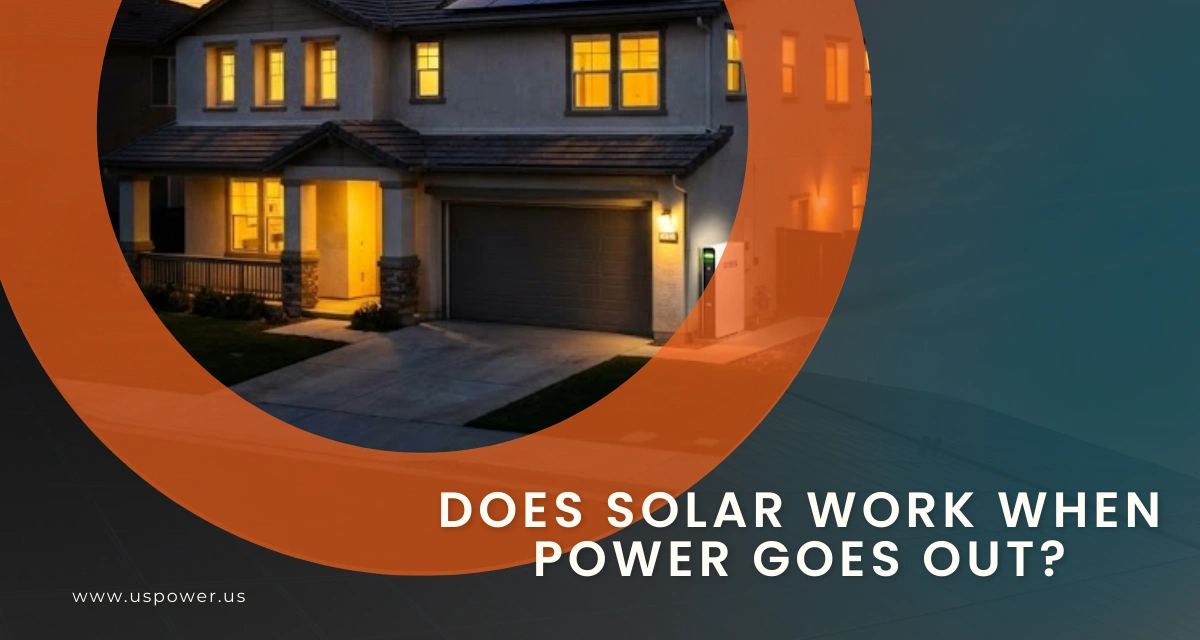
Does Solar Work When the Power Goes Out in California?
Your solar panels won't save you during the next blackout—unless you do this first.

Which Backup Power Option Is Right for You?
Explore backup power solutions to keep your home running during power outages.
%20Thumbnail.png)
¿Debería comprar o arrendar sus paneles solares en 2025?
Discover if buying or leasing solar panels in 2025 offers the best value for you.







Derechos de autor © 2025 US POWER | Energía solar y techosUS Power - Axia by QCells. All Rights Reserved.

¡Obtenga una estimación solar instantánea usando el satélite!