


Protect Your Family from Predatory Solar Contracts in SoCal
Stay safe from predatory solar panel contracts in SoCal. Learn how to verify companies, check incentives, and avoid fraud. Work with trusted solar companies.
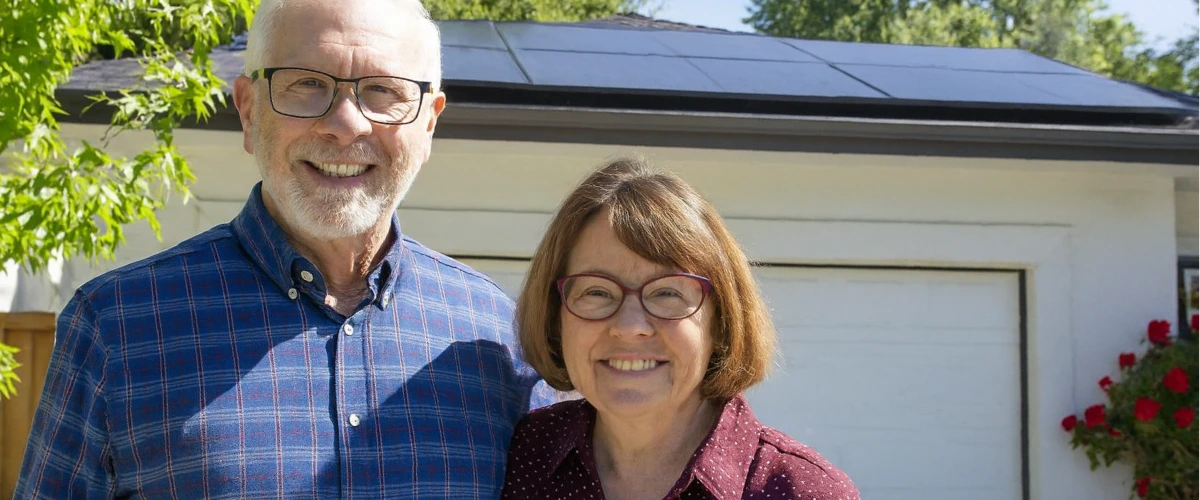
As more Southern California homeowners look to reduce their energy bills with solar panels, a growing number of predatory practices are targeting vulnerable homeowners, especially the elderly. While solar energy can be a smart investment, not every offer is legitimate. Understanding the red flags of solar scams and solar panel fraud is critical to protecting your family, your finances, and your home.
Why Solar Scams Target Homeowners
Predatory solar companies use high-pressure sales tactics and often exaggerate potential savings or government incentives. Elderly homeowners, who may not be familiar with digital contracts or online research, are particularly vulnerable.
Some common scam tactics include:
- Promises of “free solar panels” – Rarely legitimate, often tied to complex leases or PPAs.
- Misrepresentation of government incentives – Claiming rebates or tax credits that either don’t exist or have already expired.
- Contracts that stick to the home – These agreements can make selling your house complicated if the system isn’t owned outright.
- High-cost systems – Some companies push overpriced solar installations that exceed fair market value.
A particularly insidious tactic is electronic contracts with no paper copy. Many homeowners, especially seniors, are unfamiliar with digital signatures and may not fully understand the terms, leaving them exposed to long-term financial commitments.
Red Flags of Solar Panel Fraud
Homeowners should be alert to warning signs that a solar company may be a scam or engage in fraudulent practices. Key red flags include:
- High-pressure sales tactics
Representatives may insist that you sign immediately to “lock in incentives,” creating unnecessary urgency. - Unrealistic promises
Claims of guaranteed savings, “free” panels, or excessive energy production should be treated with skepticism. - Complex, non-transparent contracts
Long-term leases, PPAs, or high-cost loans that are difficult to transfer or cancel can trap homeowners financially. - Refusal to provide documentation
Legitimate companies will provide clear contracts and answer detailed questions about cost, maintenance, and ownership.
If you notice any of these warning signs, pause, research, and verify the company before signing anything.
Common Types of Predatory Solar Contracts
Understanding contract types is crucial to avoiding scams. Predatory companies often rely on agreements that look appealing at first glance but can end up costing far more than your energy bills. These include:
Solar Leases
In a solar lease, you rent the panels rather than own them. Payments may continue for 20–30 years, often with escalating rates. While this may seem convenient upfront, it can reduce home equity and make selling the property more complicated. For homeowners who are comparing costs, see our guide on should you buy or lease your solar panels.
Power Purchase Agreements (PPAs)
PPAs allow you to buy electricity at a fixed rate from a solar company without owning the system. While it may reduce electricity bills initially, the system usually remains attached to your home. When selling, the new homeowner may inherit the PPA, potentially limiting the sale.
High-Cost Financing
Some companies offer loans for solar panel installations but at interest rates far higher than market rates. These can quickly make a seemingly affordable system expensive over time. Checking current solar panel costs in California can help homeowners avoid overpaying.
How to Avoid Solar Panel Scams
Homeowners can take proactive steps to protect themselves from predatory companies:
- Research Companies Thoroughly
Check the Better Business Bureau, online reviews, and government complaints. A lack of verifiable history or negative patterns should be a red flag. - Verify Incentives
Ensure any promised rebates, tax credits, or government incentives are legitimate. California homeowners can consult official federal solar tax credit resources. - Request a Paper Contract
Never sign electronically without a clear, written copy you understand. Confirm all terms, including system costs, maintenance, and ownership rights. - Consult Trusted Advisors
Families, financial advisors, or attorneys can help review offers. Elderly homeowners should involve someone they trust before committing. - Compare Multiple Providers
Look at pricing, panel brands, and financing options across companies to ensure fairness. Use resources like top local solar companies in Los Angeles to start your research. - Report Suspicious Activity
If you suspect fraud, contact the California Attorney General, local consumer protection offices, or elder protection agencies. Early reporting helps protect others from falling victim.
Protecting Vulnerable Family Members
Predatory solar sales often target seniors. Families should monitor for signs of confusion, pressure, or unfamiliarity with digital processes. Actions to take include:
- Act Quickly – Most solar contracts have a short cancellation period (often three days).
- Document Cancellation Notices – Send via certified mail or email for proof.
- Freeze Financial Accounts – Prevent unauthorized withdrawals or loan disbursements.
- Seek Legal Advice – Consumer protection or elder abuse attorneys can provide crucial guidance.
Government Oversight and Complaint Mechanisms
Many homeowners are unaware that solar companies must comply with federal and state regulations. Government oversight exists to protect consumers:
- Federal Trade Commission (FTC) – Monitors deceptive energy sales practices.
- State Consumer Protection Offices – California enforces rules against misrepresentation in solar contracts.
- Local Elder Protection Agencies – Safeguard seniors from predatory marketing and financial exploitation.
Filing complaints can prevent scammers from targeting other homeowners and can provide leverage in resolving disputes.
Stay Informed, Stay Safe with Trusted Solar Companies
Solar energy remains a legitimate, cost-saving solution for Southern California homeowners. However, predatory solar panel scams and fraudulent contracts are a real threat. By staying informed, watching for red flags, involving trusted advisors, and understanding government protections, homeowners can avoid falling victim to scams.
Protect your home, family, and finances by carefully reviewing any solar contract, verifying the company’s legitimacy, and knowing your rights. With the right precautions, solar panels can continue to provide energy savings without turning into a financial trap.
Schedule a free onsite consultation!
For further insights on saving with solar, homeowners can explore how much money solar panels save in 2025 and protect their system with our expert solar safety tips.
Frequently Asked Questions
How can I verify if a solar company is legitimate?
What should I do if I suspect a solar scam after signing a contract?
Are “FREE SOLAR PANELS” ever real?
How can elderly homeowners avoid falling victim to solar fraud?
Do government agencies provide protection against solar scams?


What Happens If Your Solar Installation Misses the Dec 31 Deadline?
Your home solar project delayed? Here's what to do before the deadline passes.
Why Homeowners Still Win — Even After the Tax Credit Ends
Solar energy still pays off — maximize saving without waiting for solar tax credit.
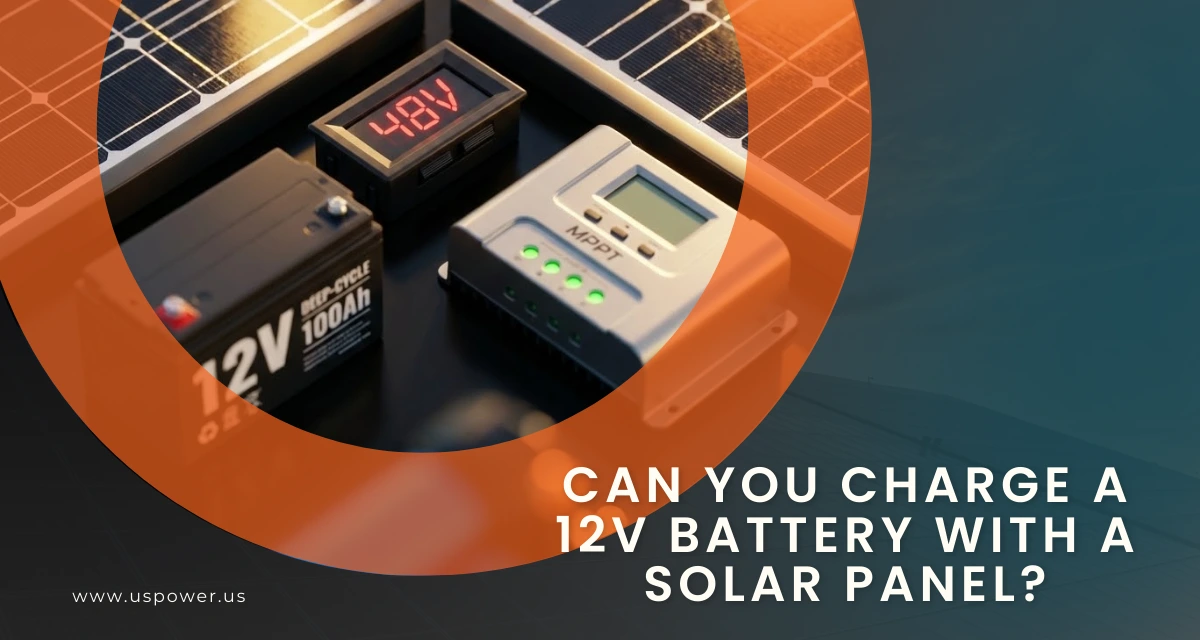
Can You Charge a 12V Battery with a Solar Panel?
Your solar system's voltage could be costing you 75% of your power. Start saving now!







Copyright © 2025 US Power - Axia by QCells. All Rights Reserved.

Get an instant solar estimate using satellite!