



Why Homeowners Still Win — Even After the Tax Credit Ends
Federal tax credit solar incentives end Dec 31, 2025. See why homeowners still gain long-term savings with residential solar and clean energy solutions.

Are solar prices really going to fall once the federal tax credit disappears? Wasn’t everyone rushing to “beat the credit deadline”? If you’ve been shopping for residential solar, you might have thought the numbers were too high — and you’re not alone. Many Southern California homeowners feel the same frustration. Some say the prices looked “astronomical,” others think tax credits were just absorbing markup, and a few suspect installers were inflating numbers anyway. But here’s the reality:
Solar still makes financial sense — and acting now could save you thousands over the life of your system while supporting a cleaner, greener future with clean energy.
In this guide, we’ll break it all down in plain language, explain what’s changing in 2025, and show why homeowners who take action now — especially with US Power’s factory-direct pricing, QCells solar panels, and smart battery storage — stand to benefit the most.
The Big Question: Will Solar Prices Change Now That the Federal Tax Credit Is Going Away?
Short answer: In the near term, prices are more likely to stay level or go up — not drop — once the federal 30% tax credit solar incentive for residential systems ends on December 31, 2025. Here’s why:
1. The Tax Credit Has Been Helping Your Bottom Line — And It’s About to Expire
For years, the federal Investment energy credit (ITC) has allowed homeowners to deduct 30% of their solar + battery project cost directly from their federal income taxes. That isn’t a rebate, it’s a credit — meaning you save real money on your tax liability. For example:
If your system costs $30,000, the energy credit could be worth ~$9,000. Learn more about claiming the 30% federal solar tax credit.
But under 2025 legislative changes, this credit is set to expire for homeowner-owned systems installed after Dec. 31, 2025. Some installers or energy pros on forums share stories of small post-deadline discounts ($500 here, $3,000 there), but without the 30% incentive, the real savings are gone.
2. Equipment Costs Aren’t Dropping That Fast
While solar panel equipment prices have historically fallen over decades, most of the cost of your system still comes from soft costs: permitting, labor, installation, inspection, financing, and marketing — especially in California. These don’t drop just because the incentive disappears. Tariffs and domestic content rules also create upward pressure on components, slowing price reductions.
3. Demand + Permitting + Scheduling Still Drive Real Costs
Southern California demand remains high. Installers often book months ahead, which can increase labor and scheduling costs. Utilities like SCE and LADWP still have permitting and interconnection backlogs, risking eligibility for energy credits and adding soft costs.
For a detailed guide, see how Southern California homeowners can protect their system and savings.
The “Wait for Lower Prices” Myth: Why It’s Not That Simple
Some homeowners hope prices will drop once the credit ends. But in reality, prices vary by solar energy system quality, installer overhead, and competition. The market won’t automatically reduce your upfront cost by 30% after the incentive disappears.
Even in other countries, prices only fell due to technology improvements, manufacturing scale, and efficient installation practices — not simply because subsidies expired.
What Will Affect Your Solar Cost?
Understanding what actually drives cost helps you make smarter decisions:
- Electricity Rates Will Keep Rising
California utility rates typically increase 5–7% annually. As bills rise, solar becomes more valuable because it shields you from ever-higher costs. For insights, see why California homeowners are switching to solar.
- Net Metering Payback Has Changed
California’s NEM 3.0 rules mean you earn less for solar electricity sent back to the grid. Pairing solar with battery storage allows you to store more electricity for your own use.
- State-Level Incentives Still Exist
California offers rebates and programs, like SGIP, especially for battery storage. These budgets can provide additional savings but often expire quickly.
- Quality Matters More Than Ever
ROI now depends on system design, roof shading, panel efficiency, and proper installation — not just the upfront price.
Why 2025 Remains a Smart Window for Southern California Homeowners
Here’s what the numbers look like for a typical 10 kW system:
Waiting until after the federal energy credit expires could cost you ~$9,000+ more — and that doesn’t factor in rising utility rates. Even if equipment costs drop slightly, the lack of a tax credit solar means upfront costs could still be higher than acting now.
For more cost analysis, see How Much Do Solar Panels Cost in California.
What Southern California Homeowners Really Care About
US Power understands what homeowners need, which is why we focus on addressing both the frustrations and goals of solar buyers.
Common Pain Points:
- “Quotes were astronomical.”
- “Installers rush before deadlines.”
- “I don’t trust someone just because they say I’ll save money.”
- “Government rules change all the time.”
Core Desires:
- Lower electricity bills
- Clear understanding of real savings versus inflated quotes
- Honest installers with no hidden fees
- Confidence in long-term financial benefits
- Protection from future utility price increases
Your communication — like this guide — should address these concerns directly with transparent, trustworthy information that homeowners can rely on.
How US Power Solves These Concerns
Here’s why your Southern California neighbors are choosing US Power:
Factory-Direct Pricing
No middlemen markups — your quote reflects real costs, not inflated numbers hidden behind tax credits.
Exclusive QCells Panels + American-Made
High-efficiency solar panels backed by strong warranties help you maximize clean energy generation.
Solar + Battery Storage Integration
Store your own power — especially under California’s new net metering rules — to maximize savings.
Learn more about Home Solar Battery Systems for Southern California Homeowners.
Transparent Quotes Built Around Your Home
Tailored to your load, orientation, shading, and solar energy goals.
Proactive Deadline Expertise
We know permitting timelines, interconnection, and what it takes to qualify for energy credits.
Bottom Line for Southern California Homeowners
Solar still makes sense — but timing, transparency, and quality matter more than ever. Acting now with a reputable company like US Power, using factory-direct pricing and QCells panels, gives you the best window for savings.
Federal energy credits and the 30% tax credit solar for homeowner-owned systems end Dec. 31, 2025 — waiting could cost thousands, reduce your ROI, and limit protection from rising utility bills. Check guidelines from the Internal Revenue Service to ensure you qualify.
Solar is a solid investment — supporting your home with solar energy while contributing to clean energy nationwide.
Ready to go solar the smart way?
Schedule Your Free Southern California Solar Assessment with US Power Today »
Frequently Asked Questions About Solar Tax Credit
How does the solar tax credit work in California?
The federal solar tax credit (ITC) allows California homeowners to deduct 30% of their solar + battery system cost from their federal taxes. This is a dollar-for-dollar reduction in your tax liability, not a rebate. Some state programs, like SGIP for battery storage, can provide additional clean energy savings.
Did the solar tax credit get extended?
As of 2025, the 30% federal tax credit solar for homeowner-owned systems is scheduled to expire on December 31, 2025. There is no current federal extension, so homeowners who act before the deadline can secure maximum savings.
Is the solar tax credit refundable?
No, the energy credit is not refundable. You can only apply it against your federal tax liability. If your tax bill is less than the credit, the remaining amount may carry forward to future years.
What qualifies for the solar tax credit?
Eligible systems include solar panels installed on your home, solar battery storage if charged by solar energy, and associated equipment like inverters and mounting hardware. Both new installations and certain system upgrades may qualify.
Can I combine solar tax credits with other incentives?
Yes. Homeowners in California can often combine the federal tax credit solar with state-level rebates or programs like SGIP for clean energy storage. This maximizes savings and enhances long-term ROI.
Frequently Asked Questions


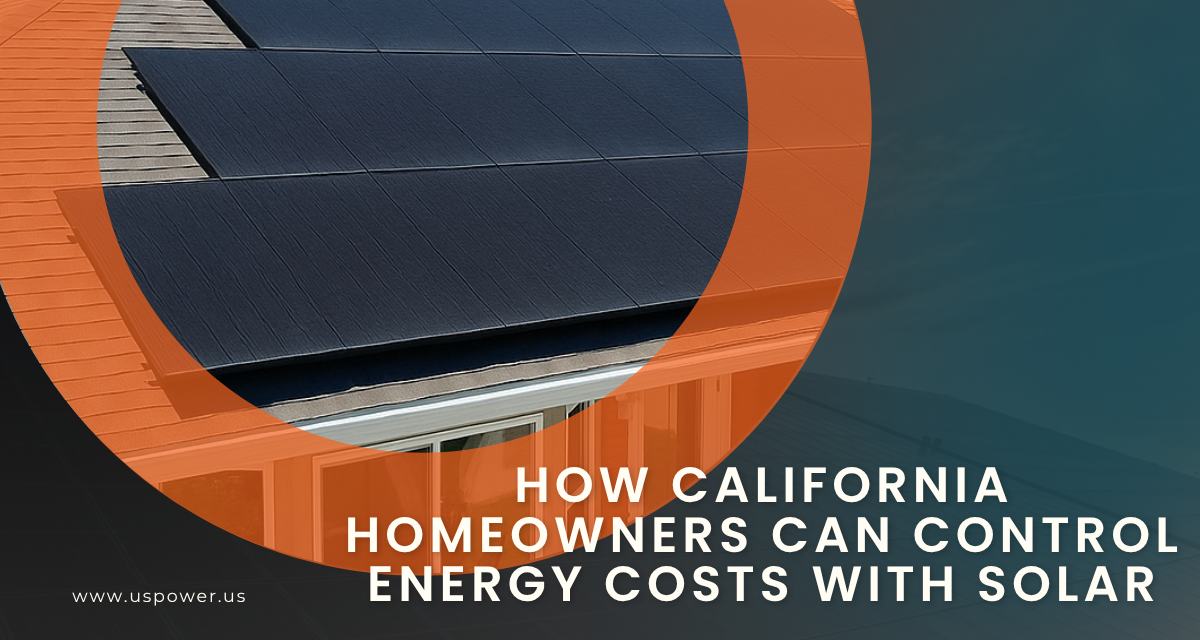
How California Homeowners Can Control Energy Costs with Solar
Get Smart, start controlling your energy costs before utility rates rise further!

Solar Advantage Southern California Homeowners Aren't Calculating
Go beyond energy savings—solar wipes out transmission and hidden utility costs.
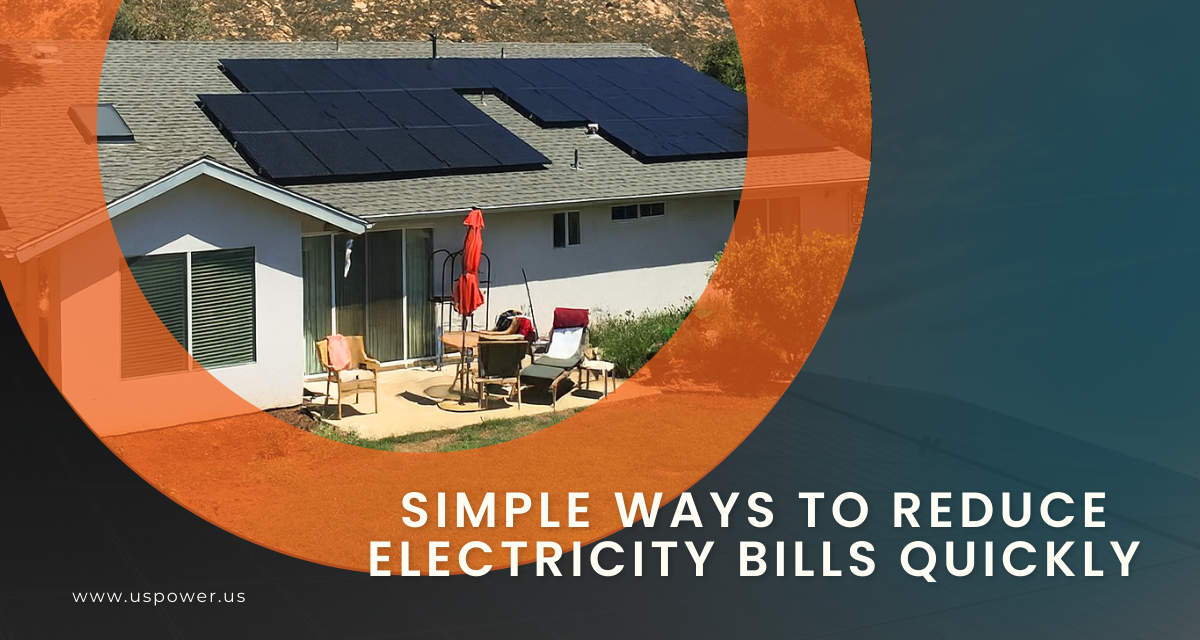
Simple Ways to Reduce Electricity Bills Quickly
Quick and effective strategies to lower your electricity bills at home now.








Derechos de autor © 2025 US POWER | Energía solar y techosUS Power - Axia by QCells. All Rights Reserved.

¡Obtenga una estimación solar instantánea usando el satélite!