



The Surprising Way SoCal Solar Panels Save You Money
Take advantage of the 30% federal ITC, SGIP rebates, and local incentives to reduce costs and maximize your solar panel investment. However, Solar Tax is ending soon!
Switching your Southern California home to solar energy isn’t just about slashing your monthly utility bills — it’s about seizing a strategic financial opportunity that combines technological efficiency, local incentives, and long‑term energy resilience. Today’s solar landscape in southern california is dramatically different from even just a few years ago, with new policies, rebate programs, and utility rate structures shaping how homeowners think about solar panels, battery storage, and overall home energy independence.
Whether you’re just starting to explore California solar or are ready to install, this comprehensive guide walks you through:
- Why solar makes financial sense in SoCal
- The real benefits of QCells solar panels
- How battery storage enhances savings and backup power
- What incentives and rebates you can still claim in 2025
- How installation, costs, and ROI really stack up
- Real homeowner experiences and common concerns
Let’s unpack how solar technology — paired with smart planning — can not only cut your energy bill but surprise you with long‑term savings, reliability, and peace of mind.
Why Solar Panels Make Sense for Southern California Homes
1. SoCal’s Sunshine = Money‑Saving Power Generation
Southern California enjoys abundant sunshine year‑round, making it one of the best regions in the continental U.S. for solar generation. With strong solar irradiance and long daylight hours, panels on your roof can produce more energy than in most other states. That means more electricity generated, less dependence on the grid, and faster savings — even before incentives.
2. Rising Utility Costs Make Solar More Valuable
Utility prices in California, especially under large providers like Southern California Edison (SCE) or San Diego Gas & Electric (SDG&E), have increased steadily. Typical retail electricity rates in the state range significantly depending on usage tier and utility, but most homeowners pay far more per kilowatt‑hour (kWh) than the national average — often 30–40¢/kWh. By generating your own power with solar, you avoid these high rates and protect your home from future utility cost inflation.
3. Solar Adds Real Home Value Without Raising Property Taxes
In California, solar systems installed before certain deadlines are eligible for a property tax exclusion, meaning your property taxes won’t increase even though your home’s value goes up due to your solar system. This exclusion applies through January 1, 2027 — making 2025 installations particularly timely.
Understanding California Solar Incentives in 2025
2025 is a pivotal year for solar incentives in California, with several major financial benefits still available — but time‑sensitive.
Federal Solar Investment Tax Credit (ITC)
For 2025, the federal tax credit remains at 30% of your total solar cost, including panels, installation labor, permits, inverters, and even battery storage when installed with solar. This is one of the largest reasons solar still makes financial sense: for a $30,000 system, that’s a $9,000 direct tax credit you can claim.
Important: This 30% ITC is scheduled to expire after 2025, so systems must be installed and operational by December 31, 2025 to qualify. See claim the 30 solar tax credit for details.
Self‑Generation Incentive Program (SGIP)
California’s SGIP offers rebates specifically for energy storage, which means real dollars back when you add batteries to your solar setup. Depending on eligibility — including income or fire‑risk status — rebates can reach up to $1,100 per kWh for storage and $3,100 per kW for solar capacity.
This incentive can cover a large portion of storage costs, making batteries significantly more affordable than just a few years ago. See home solar battery systems for more.
Low‑Income & DAC‑SASH Programs
For qualifying low‑income households or those in designated disadvantaged communities, additional programs like DAC‑SASH can offer rebates up to tens of thousands of dollars, sometimes covering the full system cost with minimal upfront payment.
Why Acting in 2025 Matters
Even though utility compensation for excess solar generation has declined under NEM 3.0, the combination of federal and state incentives still makes solar + storage financially compelling this year. Delaying past 2025 risks losing the ITC and seeing reduced state rebates as programs run out of funding.
Learn Why Now Is the Time to Take Control of Your Energy in SoCal.
How Much Does Solar Installation Cost in SoCal? (Real Numbers)
Solar system costs in Southern California vary depending on system size, roof complexity, installer, and equipment quality. In 2025:
- A typical solar installation (without storage) averages $19,000–$26,000 before incentives.
- Adding a battery system (e.g., 13.5 kWh) can range from $10,000–$15,000+ installed.
- After applying the 30% federal credit and state rebates, net costs can drop substantially. See solar panel cost analysis for detailed estimates.
Example Net Cost Breakdown — After Incentives (Estimates):
7.2 kW solar system: ~$24,715 (after ITC & SGIP rebates)
With long‑term energy savings and avoided utility rates of 30–40¢/kWh, many homeowners see payback periods of 7–10 years, with total lifetime savings of tens of thousands of dollars.
QCells Solar Panels: Technology That Delivers More
Not all solar panels are equal, and the choice of panel affects not just immediate savings — but system longevity and energy output too.
Why QCells Panels are a Top Choice?
- High efficiency: Above‑average panel efficiency means more energy per square foot on your roof.
- Better low‑light performance: Generates more power during cloudy days or winter months.
- 25‑year performance and product warranty: Long‑term protection you can count on.
- Factory‑direct pricing: Eliminates typical markups, meaning you pay closer to true production cost. Learn more in our QCells panel guide.
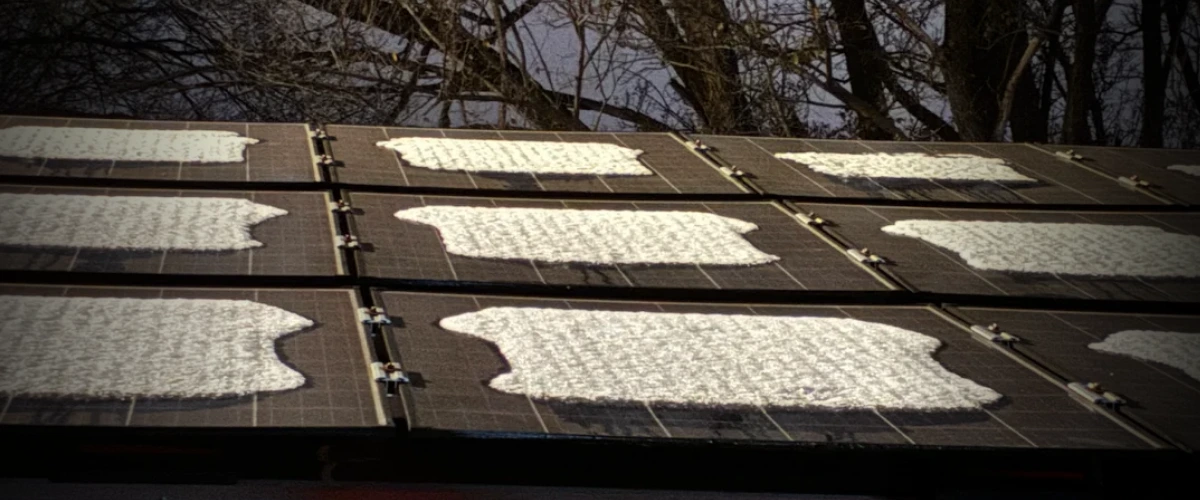
Homeowners in SoCal benefit from these panels’ ability to produce reliable energy — and because many homeowners use detailed monitoring systems, they often notice performance nuances and thermal behavior that indicate quality construction and heat management.
Why Battery Storage Isn’t Just a Luxury — It’s a Smart Financial Move
With California’s updated Net Metering 3.0 (NEM 3.0) in effect, exporting excess solar to the grid no longer yields the generous credits it once did. Instead:
- You get only ~6–8¢/kWh for energy sent back to the grid.
- You pay 30–40¢/kWh when drawing from the utility during peak hours.
In this new environment, battery storage becomes essential because:
- You store your solar at 0¢ cost and use it during expensive evening hours.
- SGIP rebates make storage much more affordable than in past years.
- Backup power improves resilience during outages and planned shutoffs.
Unpacking the True ROI of Solar + Storage in 2025
Here’s how a typical Southern California home might see returns:
Scenario: Mid‑Sized SoCal Home
- Usage: 7,000–8,000 kWh/year
- System size: ~7.2 kW solar + 13.5 kWh battery
- Total installed cost before incentives: ~$38,000
- 30% Federal ITC: -$11,400
- SGIP Storage rebate: -$1,500+
- Net cost: ~$24,000–$26,000
With electricity cost savings of ~$2,500–$3,200 per year and avoided utility rate increases, the system often pays back in 7–9 years and delivers $40,000+ in lifetime savings.
How US Power Makes Solar Simple and Profitable
Here’s how we help Southern California homeowners get solar right:
- Free Energy Consultation
- Custom System Design
- Professional Installation
- Incentive Optimization
- Transparent Warranties and Support
Whether your priority is cost, reliability, backup power, or household energy independence, US Power helps you navigate the complexities with confidence.
Solar Panels in SoCal Are Still Worth It — Especially in 2025
Despite evolving policies and utility structures, solar panels California homeowners remain a powerful financial and energy strategy. With plentiful sunshine, high energy rates, and still‑valuable incentives like the federal 30% ITC and SGIP storage rebates, Southern California remains one of the best markets for solar investment.
When paired with high-quality QCells panels and strategic battery storage, you’re not just buying equipment — you’re investing in years of savings, resilience, and reduced dependence on costly grid power.
Act now while the key incentives remain — solar systems installed and operational by the end of 2025 qualify for maximum savings. Contact US Power today for your custom solar & battery design and see how much you can save.
Frequently Asked Question About Solar Panels
What about installation hassles and permits?
Permitting can be a major headache, but experienced installers streamline this process, reducing delays and ensuring compliance with local building and utility rules. Check our Solar Permit Guide.
Is my roof suitable for solar?
Panel orientation, shading, and roof condition all factor into system design. Professional installers evaluate these to maximize solar yield.
Are solar companies trustworthy?
Not all companies perform equally. Look for installers with strong warranties, transparent pricing, and local experience — especially with battery integration and incentive paperwork. See how to choose a solar company.
Will solar work during cloudy or winter days?
Modern solar panels, especially high-efficiency brands like QCells, generate power even on cloudy days or during shorter winter daylight hours, though output will be lower than peak summer months.
How long does it take to see savings from solar?
Payback periods in Southern California typically range from 7–10 years, depending on system size, electricity usage, and available incentives. After payback, electricity cost savings continue for decades.
Frequently Asked Questions


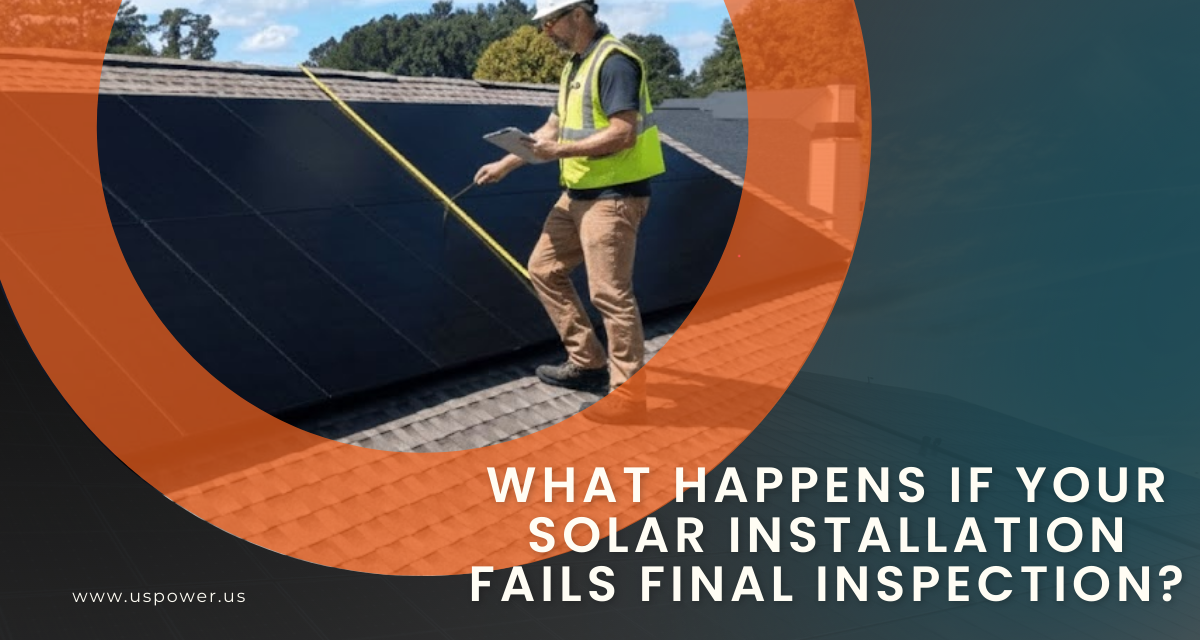
What Happens If Your Solar Installation Fails Final Inspection?
Learn why solar installations fail final inspection and how to protect yourself.
How to Wire Solar Panels in Series vs. Parallel
Maximize solar efficiency by choosing the right panel wiring for California homes.
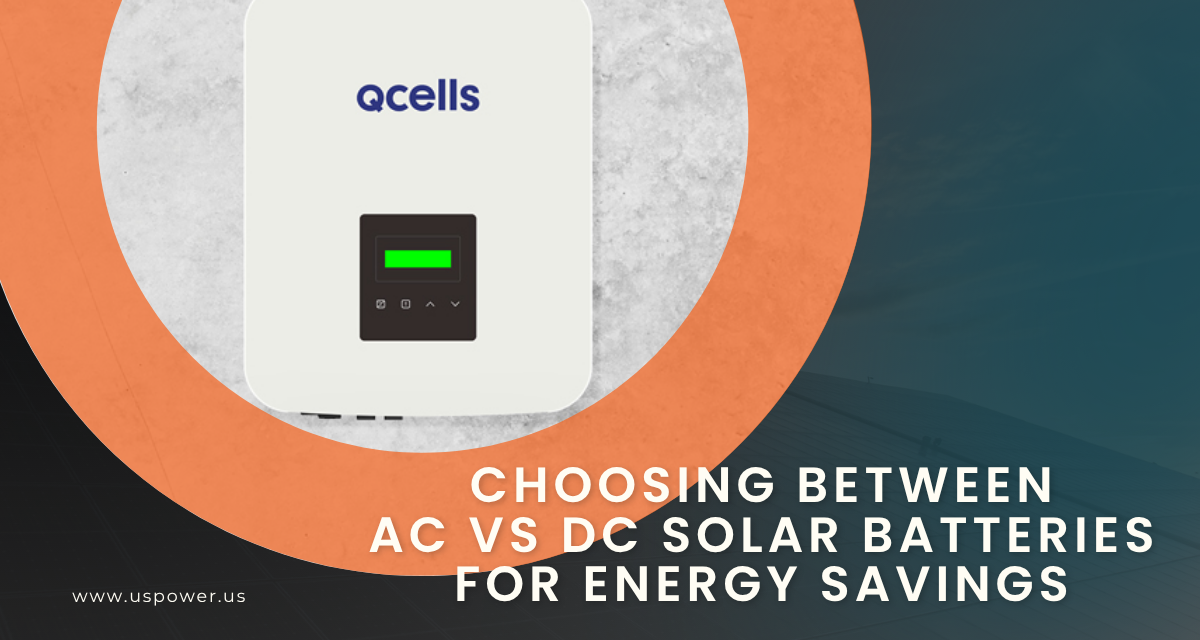
Choosing Between AC vs DC Solar Batteries for Energy Savings
Explore AC vs. DC solar systems and maximize your home’s backup and savings.








Derechos de autor © 2025 US POWER | Energía solar y techosUS Power - Axia by QCells. All Rights Reserved.

¡Obtenga una estimación solar instantánea usando el satélite!