




How Long Does Solar Panel Installation Take in SoCal?

Wondering how long it takes to install solar panels on your Southern California home? The answer depends on several factors—from permitting delays to installation crew efficiency. Most homeowners complete the process in 6-12 weeks, but with the right solar company, you can cut that timeline significantly. US Power completes installations in just 3-6 weeks from approval to activation. Learn what affects your timeline and how to avoid common delays.
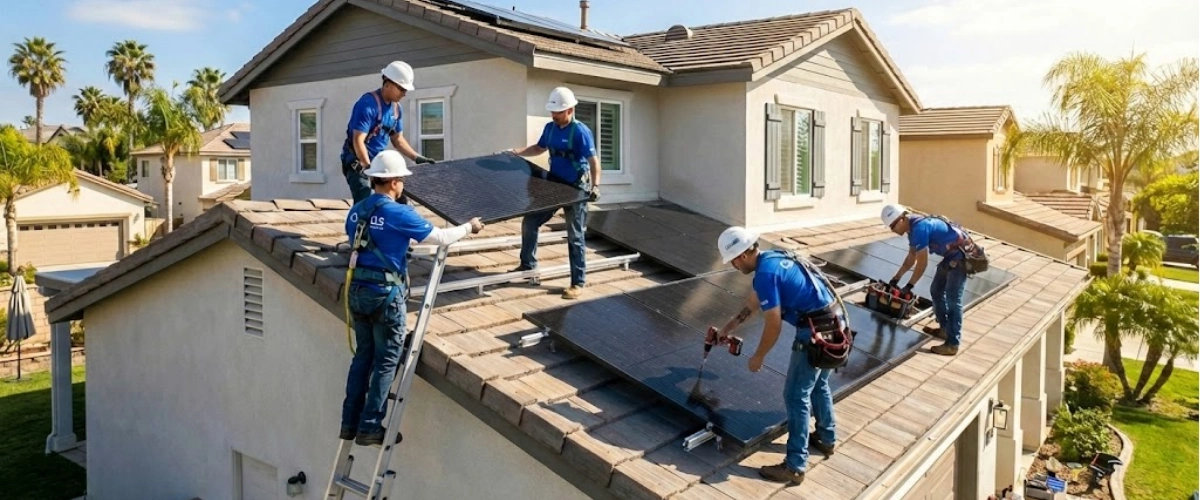
You've decided to go solar. You're ready to lock in savings and stop watching your SCE or PG&E bill climb every month. But now you're wondering: how long is this actually going to take?
It's a fair question. Some homeowners hear horror stories about installations dragging on for months. Others are surprised when crews show up and finish in just a few days. The truth is, solar installation timelines vary—but understanding what affects your timeline puts you in control.
In Southern California, most installations take 6-12 weeks from signing your contract to flipping the switch. With US Power's streamlined process and exclusive QCells partnership, we consistently complete installations in 3-6 weeks. Here's exactly what to expect and how to avoid unnecessary delays.
Understanding the Complete Solar Installation Process
Solar installation isn't just about workers showing up and mounting panels on your roof. It's a multi-phase process that includes design, permitting, installation, inspection, and activation.
Here's the typical breakdown for Southern California homeowners:
Design and Contract Signing (1-2 Weeks)
After your initial consultation, your solar company creates a custom system design based on your roof layout, energy usage, and budget. This includes determining panel placement, inverter selection, and whether you'll add battery storage.
US Power uses 3D modeling and satellite imagery to design your system accurately the first time. This eliminates costly change orders and redesigns that can add weeks to your timeline. Once you approve the design and sign your contract, the clock starts ticking.
Permitting and Utility Approval (2-6 Weeks)
This is where most delays happen. Your solar company must submit plans to your local building department and your utility company (SCE, PG&E, or others). Los Angeles County, Orange County, Ventura, San Bernardino, and Riverside each have different requirements.
Building permits typically take 2-4 weeks, though some cities process faster than others. Utility approval adds another 1-2 weeks. Understanding the solar permitting process helps you prepare the right documentation upfront.
The good news? Experienced installers know exactly what each jurisdiction requires. US Power's team has completed thousands of installations across Southern California, so we submit clean applications that rarely face rejections or revision requests.
Equipment Procurement (1-2 Weeks)
While permits are pending, your solar company orders your equipment. This is where US Power's exclusive QCells partnership creates a major advantage.
As the #1 QCells installer in California, US Power maintains direct factory relationships. We don't wait for distributors or deal with supply chain delays. Your American-made QCells panels and equipment arrive quickly—often while permits are still processing.
Other companies may quote you a timeline, then discover their preferred panels are backordered for weeks or months. That doesn't happen with factory-direct access.
Installation Day: What Actually Happens
Once permits are approved and equipment arrives, installation day finally comes. This is the phase most homeowners picture when they think about "going solar"—and it's often the fastest part of the entire process.
The Physical Installation (1-3 Days)
For most residential systems, the actual installation takes 1-3 days depending on system size and roof complexity. A typical 20-30 panel system on a standard pitched roof? Usually completed in 1-2 days by an experienced crew.
Larger systems (40-60 panels) might take 2-3 days. Complex roof layouts, tile roofs, or homes requiring electrical panel upgrades can add time. When discussing what to expect during installation, homeowners are often surprised by how quickly professional crews work.
Here's what happens during installation:
Day 1: Crews arrive early morning (typically 7-8 AM). They stage equipment, install mounting hardware and racking, and begin panel placement. Depending on system size, panels may all go up the first day.
Day 2: Electrical connections are completed. Crews wire panels to inverters, connect to your electrical panel, and install monitoring equipment. They clean up thoroughly and ensure your system is physically complete.
Day 3 (if needed): Final touches for larger or more complex systems. Additional wiring, battery installation if applicable, and quality checks.
How Battery Systems Affect Installation Timeline
If you're adding battery storage systems under NEM 3.0, expect an additional 1-2 days for installation. Battery integration requires more complex electrical work, but it's essential for maximizing your solar investment in California's current rate environment.
US Power installs QCells Q.HOME CORE batteries, which integrate seamlessly with your solar system. Our crews are factory-trained on these systems, so battery installations don't create the delays you might experience with companies juggling multiple battery brands.
Inspection and Utility Connection (1-3 Weeks)
After installation, your system isn't live yet. Two final steps remain: city inspection and utility interconnection.
City Inspection (3-7 Days)
Your local building department schedules an inspection to verify your system meets electrical and building codes. In most Southern California cities, this happens within a week of installation completion.
Inspections typically take 30 minutes to an hour. If your installer did quality work, you pass the first time. If issues are found, corrections must be made and re-inspection scheduled—adding another week or more.
US Power maintains a 99%+ first-time pass rate on inspections. Our crews follow strict installation standards and our systems are designed by CSLB-licensed professionals who know California codes inside and out.
Permission to Operate (1-2 Weeks)
After passing inspection, your installer submits documentation to your utility company requesting Permission to Operate (PTO). This is the final approval that allows you to turn on your system and start producing power.
SCE typically issues PTO within 1-2 weeks. PG&E can be faster or slower depending on workload. Once you receive PTO, your installer activates your system and you're officially producing solar power.
What Slows Down Solar Installations
Understanding common delay factors helps you choose the right installer and avoid problems. Here's what typically extends timelines beyond 6-8 weeks:
Permitting Delays and Rejections
Incomplete or incorrect permit applications get rejected, requiring resubmission. Each rejection adds 2-3 weeks to your timeline. This happens when installers don't understand local requirements or submit generic plans without customization.
Choosing experienced local installers who know Southern California jurisdictions prevents this. When considering how to choose a solar company, ask about their first-time permit approval rate.
Supply Chain Issues
If your installer doesn't have direct manufacturer relationships, they're at the mercy of distributor inventory. Panel shortages, inverter delays, or equipment changes can stall your project for weeks or months.
Contractor Scheduling Conflicts
Some solar companies overbook installations or work with subcontractors who juggle multiple projects. Your installation date gets pushed back repeatedly while you wait for crew availability.
Electrical Panel Upgrades
Older homes may need electrical panel upgrades to handle solar system capacity. If this isn't identified during initial design, it creates surprise delays when discovered during installation.
US Power identifies electrical requirements during your initial site assessment. If upgrades are needed, we handle them as part of your project timeline—no surprises, no delays.
How US Power Completes Installations in 3-6 Weeks
While industry average timelines stretch to 8-12 weeks, US Power consistently delivers faster. Here's how US Power delivers faster installations:
Factory-Direct QCells Partnership
As the #1 QCells installer in California, we maintain direct access to American-made panels manufactured in Georgia. No distributor delays, no supply uncertainty. When you sign your contract, your equipment is already allocated.
Streamlined Permitting Process
Our team has completed thousands of installations across Los Angeles, Orange County, Ventura, San Bernardino, and Riverside. We know exactly what each jurisdiction requires and submit complete, accurate applications that rarely face rejections.
Dedicated Installation Crews
US Power maintains our own trained installation teams—we don't outsource to subcontractors. Your project isn't competing with other companies' schedules. Once your permits are approved, installation is typically scheduled within days, not weeks.
Proactive Communication
You'll know exactly where your project stands at every phase. From permit submission to inspection scheduling, US Power keeps you informed. No wondering, no surprises, no need to chase updates.
Why Acting Fast on Solar Matters in 2026
Installation timeline matters, but so does getting started. Southern California homeowners face rising electricity rates that show no signs of slowing. SCE and PG&E have both announced multiple rate increases for 2026.
Every month you delay is another month paying peak utility rates. The sooner you install, the sooner you lock in decades of predictable energy costs.
Beyond monthly savings, there's urgency around available incentives. While the 30% federal tax credit ended December 31, 2025, California still offers valuable state and local incentives including:
- SGIP battery rebates (up to $250-$300 per kWh in qualifying areas)
- Property tax exclusions for solar installations
- Accelerated depreciation for home office solar systems
- Local utility rebates (availability varies)
These incentives won't last forever. Combined with factory-direct QCells pricing that's 15-20% below market rates, 2026 is still an excellent year to invest in solar.
Preparing for Your Solar Installation
Want to ensure the fastest possible timeline? Here are things to know before going solar that help:
Clear Access to Your Roof
Crews need clear pathways to your roof. Trim overhanging tree branches, move patio furniture, and ensure gate access is available. This prevents delays on installation day.
Schedule Flexibility for Inspection
Be available (or designate someone) for the city inspection. While you don't need to be present for installation, you should be reachable during the inspection window.
Understand Your Timeline Expectations
Ask your installer for a detailed timeline during your consultation. Get specific dates for each phase, not vague estimates. This helps you plan and holds your installer accountable.
Choose the Right Installer First Time
Don't just pick the cheapest quote or the most aggressive salesperson. Look for established companies with strong local track records, proper licensing, and quality equipment. Following the solar installation process with a reputable company prevents costly delays and reinstallation.
Your Path to Faster Solar Savings Starts Here
The difference between a 12-week installation and a 4-week installation is two months of electricity bill savings. That's $400-$800 left in SCE or PG&E's pocket instead of yours—money that could be funding your solar investment.
US Power's 3-6 week installation timeline, combined with factory-direct QCells pricing and American-made quality, delivers the fastest path to energy independence in Southern California.
Our CSLB-licensed consultants provide transparent timeline expectations during your free consultation. No sales pressure, no hidden fees, no surprises. Just honest guidance and professional execution backed by 180+ five-star Google reviews.
Frequently Asked Questions
How long does the actual installation take?
What's the longest part of the solar installation process?
Can I speed up my solar installation timeline?
What happens if installation gets delayed?
Do I need to be home during installation?


Cómo las baterías solares pueden maximizar sus ahorros
Discover how solar batteries store energy and maximize your monthly savings.
How to Size Your Solar System Correctly in California (2026 Guide)
Stop paying for solar panels you don't need. Learn how to size your solar system.
How to Wire Solar Panels in Series vs. Parallel
Maximize solar efficiency by choosing the right panel wiring for California homes.








Derechos de autor © 2025 US POWER | Energía solar y techosUS Power - Axia by QCells. All Rights Reserved.

¡Obtenga una estimación solar instantánea usando el satélite!