


Real Risks in Solar Systems and How to Safely Power Your Home
Explore common solar system disadvantages and risks of solar energy, plus tips for safe, long-term home solar solutions. Buy Qcells brand through US Power.
Solar power has become a smart, mainstream investment for Southern California homeowners. Rising utility rates, abundant sunshine, and strong incentives make solar an attractive option for families who want predictable energy costs and more control over their homes.
But as solar adoption grows, an important consideration often goes overlooked: the real risks in solar systems. Understanding these risks is critical to ensure your home remains safe, your system performs reliably, and your long-term investment is protected.
Most homeowners assume solar systems are “set it and forget it.” When systems are built correctly, with high-quality components and proper installation, that assumption is usually correct. But not all solar equipment is created equal, and some designs carry higher solar power risks than others.
This guide explains what homeowners should know about solar system disadvantages, safety, inverter reliability, and component quality. Choosing the right installer and equipment—like QCells panels through US Power—can dramatically reduce risk while protecting long-term performance.
Why Solar Safety Matters: Understanding the Risks of Solar Energy
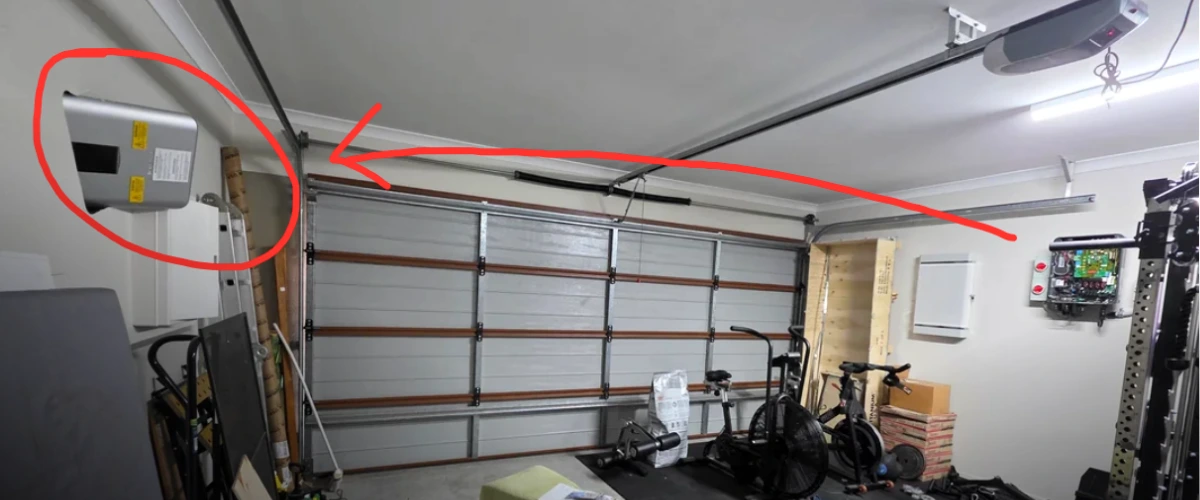
Solar systems quietly manage large amounts of electrical energy every day. Inverters convert high-voltage DC electricity from solar panels into usable AC power for your home. Battery systems store and discharge energy on demand. These components operate in garages, side yards, and utility spaces—often near where families live, park, or walk.
When designed properly, modern solar equipment includes multiple layers of protection to ensure failures are contained, controlled, and safe. But cutting corners—through cheaper components, poor design choices, or rushed installations—introduces solar system risks that can become unpredictable.
Homeowners frequently ask:
“What if a system component fails suddenly?”
“Is this equipment really safe for residential use?”
“Who is responsible if something goes wrong after warranty?”
These concerns are valid and highlight why understanding the risks of solar energy is essential before making a purchase.
Solar Inverters: The Heart of Safety
Most homeowners never think about their inverter until it stops working. But the inverter is one of the most critical—and stressed—components in any solar system.
In simple terms:
- Solar panels produce electricity.
- The inverter converts and regulates that electricity so your home can use it safely.
Inverters operate under challenging conditions:
- Heat
- Continuous electrical load
- Grid fluctuations
- Daily on/off cycling for years
A well-designed inverter anticipates these stresses and includes safeguards such as:
- Internal pressure relief
- Controlled failure paths
- Fire-resistant enclosures
- Conservative component spacing
- Extensive safety testing
When these protections are minimized, even a small failure can escalate, increasing solar power risks.
The Real Issue Isn’t “Failure”—It’s How Equipment Fails
All electrical equipment can fail eventually. What separates premium systems from risky ones is failure behavior.
Homeowners worry about:
- Sudden, violent failures
- Fire hazards
- Flying debris
- Exposure to live electrical components
- Unclear accountability after warranty
High-quality systems are designed to fail safely:
- Components isolate themselves
- Systems shut down instantly
- Pressure vents harmlessly
- Enclosures remain intact
In contrast, some cheaper systems focus on cost efficiency, which increases the risks of solar energy—and these differences often aren’t obvious until something goes wrong.
Solar System Disadvantages: When Price Overrides Safety
Solar is a long-term investment expected to last 25 years or more. Yet some installations use components optimized for:
- Lowest upfront price
- Short warranties
- Minimal safety margins
- Aggressive cost-cutting
Homeowners often regret choosing systems based solely on price:
- “I didn’t realize equipment quality varied.”
- “The installer didn’t explain what happens when parts fail.”
Understanding these solar system disadvantages is key to protecting both your home and your investment.
How US Power Reduces Solar System Risk
US Power installs solar systems with a homeowner-first approach, prioritizing safety, reliability, and accountability at every stage.
1. Exclusive Partnership with QCells
US Power uses QCells panels, known for:
- American-made quality
- Conservative safety margins
- Rigorous quality control
- Long-term residential reliability
Learn more in the comprehensive guide to QCells solar panels.
2. Factory-Direct Pricing Without Cutting Corners
Premium components are delivered without compromising safety:
- High-quality panels
- Proven inverter pairings
- Safe system design
- Transparent pricing
3. Conservative System Design for Southern California
Southern California’s unique conditions—high heat, tight garage spaces, outdoor installations near walkways—require careful planning:
- Proper ventilation
- Code-compliant clearances
- Thoughtful battery integration
Modern battery systems include:
- Internal safety layers
- Temperature monitoring
- Automatic shutdown protocols
- Fire-resistant housings
Battery safety isn’t just about the battery—it’s about the entire system architecture. See how solar and battery systems protect CA homes.
Questions Homeowners Should Ask
Before installing solar, ask:
- What happens if a component fails?
- How does the system shut down in emergencies?
- Are these components designed for residential use?
- Who stands behind the system after warranty?
- Are the panels American-made?
- Is safety prioritized over lowest cost?
Installers who hesitate to answer may not prioritize homeowner safety.
Incentives and Long-Term Value (As of November 2025)
Southern California homeowners can benefit from:
- The federal solar investment tax credit (ITC)
- Offsetting long-term utility rate increases
- Increased value when paired with battery storage
But these incentives only matter if your system is safe, reliable, and built to last.
The Bottom Line: Minimize Solar Power Risks
Solar is meant to bring peace of mind—lower bills, cleaner energy, and energy independence. Homeowners should never feel uneasy near their inverter or battery.
The difference comes down to:
- Quality over shortcuts
- Engineering over marketing
- Accountability over disclaimers
US Power builds systems that protect families first, using American-made QCells panels, responsible design, and long-term safety practices.
Take the Next Step with Confidence
Not all solar systems are equal. The right equipment, thoughtful design, and trustworthy installer can make the difference between a system that simply works—and one that safeguards your home and family for decades.
Schedule a solar safety and savings consultation with US Power today and experience a system that is dependable, secure, and designed to minimize solar systems risk while delivering long-term performance.
Frequently Asked Questions
What are the most common risks of solar energy?
Can solar panels cause fires?
What happens if a solar inverter fails?
How can I reduce the risks of solar energy in my home?
What should I ask a solar installer to minimize risks?


Why Cheap Solar Installations End Up Costing More
Installers just exposed the hidden cost of bargain solar. Things you should avoid.
Affordable Solar Financing Options in Southern California
Save more with affordable and smart solar financing or cash option with US Power.
Your Solar Dream Doesn't Have to Turn Into a Nightmare
Protect your investment, don't lose your 30% tax credit to a failed solar company.







Derechos de autor © 2025 US POWER | Energía solar y techosUS Power - Axia by QCells. All Rights Reserved.

¡Obtenga una estimación solar instantánea usando el satélite!