



Everything You Need to Know About AC Solar Panels
AC solar panels offer microinverter efficiency, easy installation, and battery integration for long-term savings for Southern California homeowners in 2025 .
If you’re a Southern California homeowner thinking about switching to solar, you’ve probably heard about “AC Solar Panels” — but may still wonder whether they’re really worth it for your home. With rising electricity bills, rooftop shading, complex roofs, and even occasional blackout risk, it’s no wonder many homeowners are asking: “Will solar really power my home, day and night, reliably?”
In this guide, I break down exactly how AC solar panels work, why they’re often a smarter choice for SoCal homes, what tradeoffs to expect, and how a factory-direct deal — like the one from US Power in partnership with QCells — could help you get more power, more savings, and more peace of mind.
What Is AC Solar Panels?
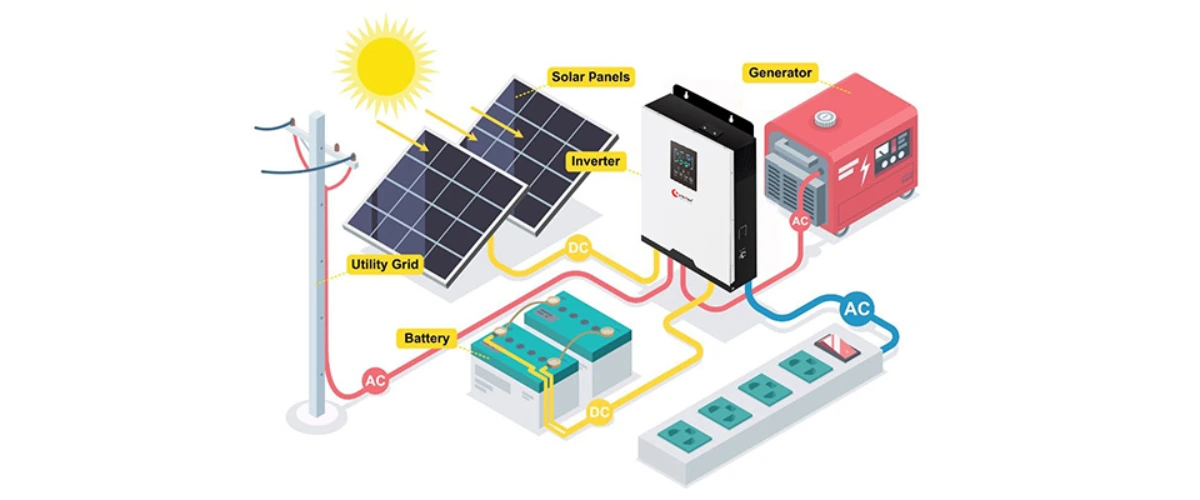
At the most basic level, solar panels (also called solar modules) convert sunlight into electricity — but that electricity is in DC (direct current) form. Most homes, however, run on AC (alternating current) electricity. That’s why a standard solar system needs an inverter to convert DC to AC, so your appliances — air conditioning, lighting, refrigerator, everything — can run.
AC solar panels combine the panel and inverter into a single unit. Each module (panel) comes with a built-in microinverter that converts DC to AC right at the panel before it travels into your home’s system.
Put simply: each “panel” arrives ready to deliver “solar powered electricity” — no separate big inverter box required.
How AC Panels Work: A Simple Guide
Sunlight hits each solar module.
Solar cells convert light into DC electricity.
Built-in microinverter — right on the back of the module — converts that DC to usable AC immediately.
That AC power goes straight into your home’s breaker panel, ready to run everything from lights to air conditioning.
Because each module works independently, the system avoids many of the drawbacks of older, centralized inverter systems.
The Real Benefits for Southern California Homes
Going with AC solar panels offers several advantages — many of them especially relevant if you live in SoCal.
Better performance even with shade or odd roof angles
If part of your roof is shaded by trees, neighboring buildings, or angled in a way that doesn’t get full sun — AC solar panels shine (literally). Because each module has its own microinverter, one shaded panel doesn’t pull down the performance of the rest.
This flexibility makes them a smart bet if your roof is complex (multiple planes, dormers, angles) — a common situation in many SoCal homes. Learn more in our homeowners guide to going solar in California.
Cleaner, Faster Install — Less Disruption
AC modules are often described as “plug-and-play.” Compared to traditional solar systems, installing them usually involves fewer components and simpler wiring, which means shorter installation times and often lower labor costs.
For homeowners, that’s a win — less noise and fewer visits from workers on ladders, and quicker activation of your solar powered system.
More Consistent Electricity Output, All Year Long
Because each panel operates and optimizes independently, overall system efficiency improves — even on partly cloudy days or in low-light conditions.
That means more energy produced over time, translating into longer-term savings and higher value from your solar investment.
Check out why California homeowners are switching to solar to see real examples.
Easier Future Expansion or Modifications
If someday you decide to expand your system — add more panels, or pair with battery storage for backup — AC modules make it simpler. Since there’s no centralized inverter, adding new modules or battery storage doesn’t require rewiring or reconfiguring a big inverter box.
This is especially useful if you expect your energy needs to grow — more appliances, larger air conditioner loads, or just increased usage over time.
Safer Design with Reduced High-Voltage DC Wiring
Because conversion from DC to AC happens right at the panel level, you avoid running high-voltage DC across your roof — reducing fire and safety risks. Many microinverter-based systems are designed to comply with rapid-shutdown regulations, improving safety for first responders and homeowners alike.
This lower-voltage, distributed AC design can give extra peace of mind — particularly in wildfire-prone SoCal neighborhoods.
The Tradeoffs: What to Watch Out For
AC solar panels aren’t perfect — there are tradeoffs to consider.
Higher Upfront Cost
Because each panel includes a microinverter, AC systems typically cost more than a standard string-inverter system — sometimes adding $1,000–$2,000 (or more) to a typical 5 kW residential installation.
That means the initial outlay is higher, and ROI timelines may be slightly longer — especially in homes with little shade or simple roof geometry.
More Components on The Roof — Maintenance Can Be Trickier
With dozens of microinverters (one per panel), servicing a failed unit means roof access. Unlike a single string inverter — which is typically ground-level and easy to replace — a microinverter repair may require roof access, labor, and time.
Some homeowners worry about the long-term reliability of so many individual electronic units — though many microinverter makers offer warranties up to 25 years.
Not Always Ideal if You Want the Lowest-Cost System and Have a Perfect Roof
If your roof gets full sun, has a simple layout, and you don’t anticipate ever expanding your system — a traditional string-inverter setup may still offer the lowest upfront price. In those cases, the added cost of microinverters may not deliver enough incremental benefit to justify the premium.
Why QCells AC Modules + US Power Are a Smart Combo
If you’re going AC, pairing with QCells AC solar modules — offered by US Power — brings a unique set of advantages:
- American-made, high-efficiency solar modules from a trusted name in the solar industry
- Factory-direct pricing through US Power’s exclusive partnership — reducing the markup you often see from big solar marketers
- Full 25-year product and performance warranty, matching microinverter lifespan with panel lifespan for long-term protection
- Easier integration with battery storage, improving resilience — especially during outages or high-demand periods (like when your air conditioner is running full blast)
For Southern California homeowners — many of whom rely heavily on air conditioning during hot months — this combo can provide a more reliable, efficient, and future-proof solar powered electricity system.
Incentives, Timing, and Cost — What You Should Know in 2025
30% Federal Tax Credit (But Time Is Running Out)
Thanks to the federal Residential Clean Energy Credit, homeowners who own their solar system (not lease) and have installation completed by December 31, 2025 can claim 30% of the total system cost (panels + inverters + labor + permitting + battery storage) as a tax credit.
After 2025, this incentive ends for directly owned residential solar, making this year a critical window for action.
Local Rebates and Battery Incentives (SGIP)
If you pair your solar system with battery storage, you may qualify for incentives under California’s Self-Generation Incentive Program (SGIP) — especially beneficial for homeowners in fire-prone areas or those who experience grid outages.
When combined with the federal tax credit, many Southern California homeowners see dramatic reductions in net cost — and a faster path to payback.
Example: What a Typical 5 KW AC Panel System Might Cost
In California, the average 5 kW system (before incentives) might cost around $11,700.
With the 30% federal credit: net cost drops to roughly $8,200 — a savings of about $3,500.Pair it with battery storage + SGIP rebates, and your out-of-pocket can go even lower — sometimes dramatically.
That means you can get a full solar powered home system — panels, inverter, and even battery backup — at a competitive total cost, especially when you factor in long-term electricity savings.
AC Solar Panels + Battery Storage = Resilience & Peace of Mind
One of the biggest stressors for Southern California homeowners today isn’t just high energy bills — it’s unreliable power. Whether from wildfire-related outages, rolling blackouts, or peak demand, keeping the lights on and the air conditioner running is a real concern.
With AC solar panels + a properly sized battery storage system, you get:
- Solar produced electricity during sunny hours — powering heavy loads like air conditioning, refrigeration, and daily use.
- Battery backup that kicks in when the grid goes down — keeping essential appliances running.
- Optimized system performance thanks to module-level microinverters, meaning better energy capture even on imperfect days.
- Lower risk of a single point of failure — each panel works independently, so one problem doesn’t shut down the whole system.
For homeowners wanting a solar powered system that truly powers their entire life — not just their lights — this combination delivers long-term value, reliability, and comfort.
Check out how US Power delivers solar faster to see how installations are streamlined.
Who Should or Shouldn't Go for AC Solar Panels
Good fit for AC solar panels:
- Homes with shade, partial shade, or trees nearby
- Roofs with multiple angles or planes
- Families who use air conditioning heavily or have high electricity demand
- Homeowners who care about system resilience, longevity, and future expansion
- People considering battery backup for outages
Maybe skip AC panels if:
- Your roof gets full, unobstructed sun all day, every day
- You have a simple, uniform roof plane
- Your priority is lowest possible upfront cost and you don’t require flexibility or expansion later
Is AC Solar Panels Right for You?
AC solar panels deliver a compelling mix of performance, flexibility, and long-term value — especially for Southern California homeowners dealing with shading, complex roofs, or wanting battery backup.
Yes, the upfront cost tends to be higher. But the benefits — better energy production, simpler installation, easier expansion, reduced safety risk, and potential for battery pairing — often make the added cost worth it over the life of the system.
And with the 30% federal tax credit expiring after 2025 — plus local incentives and rebates — there’s no better time than now to get started.
If you’re ready to see whether AC solar panels make sense for your home, US Power can help. As the exclusive QCells partner, we offer factory-direct QCells AC solar modules, streamlined installation, transparent pricing, and local expertise.
Get a free factory-direct QCells quote. See your custom savings estimate — solar + battery included.
Don’t wait until 2026 — lock in savings, power your home, and own your energy future today.
Frequently Asked Questions About AC Solar Panels
Does AC Work on Solar Panels?
Yes. AC (alternating current) is what most home appliances use. AC solar panels have built-in microinverters that convert the DC electricity produced by the panels into AC right at the panel, making it ready to power your home immediately.
Does AC Use Solar Power During the Daytime?
Yes. During sunny hours, your AC and other appliances run on the electricity produced by your solar panels. If your system is paired with battery storage, excess energy can be stored for nighttime or cloudy days.
Can AC Solar Panels Handle Partial Shade or Complex Roofs?
Absolutely. Because each panel has its own microinverter, shaded panels don’t affect the output of the rest of the system. This makes AC panels ideal for homes with trees, dormers, or multiple roof angles — common in Southern California.
Are AC Solar Panels Compatible with Battery Backup Systems?
Yes. AC solar panels integrate easily with battery storage, allowing your home to remain powered during outages or peak-demand periods. Microinverter-based systems simplify expansion and battery pairing compared to traditional string-inverter systems.
Are AC Solar Panels More Expensive than Traditional Solar Panels?
Typically, yes. AC panels cost more upfront because each panel has its own microinverter. However, the benefits — better energy production, easier installation, flexibility, safety, and easier future expansion — often justify the extra cost, especially for homes with shading or high electricity usage.
Frequently Asked Questions


Flat Roof Solar Installation Made Easy with Ballast Systems
The 2025 guide to solar ballast systems for California flat roofs. Talk to an expert!
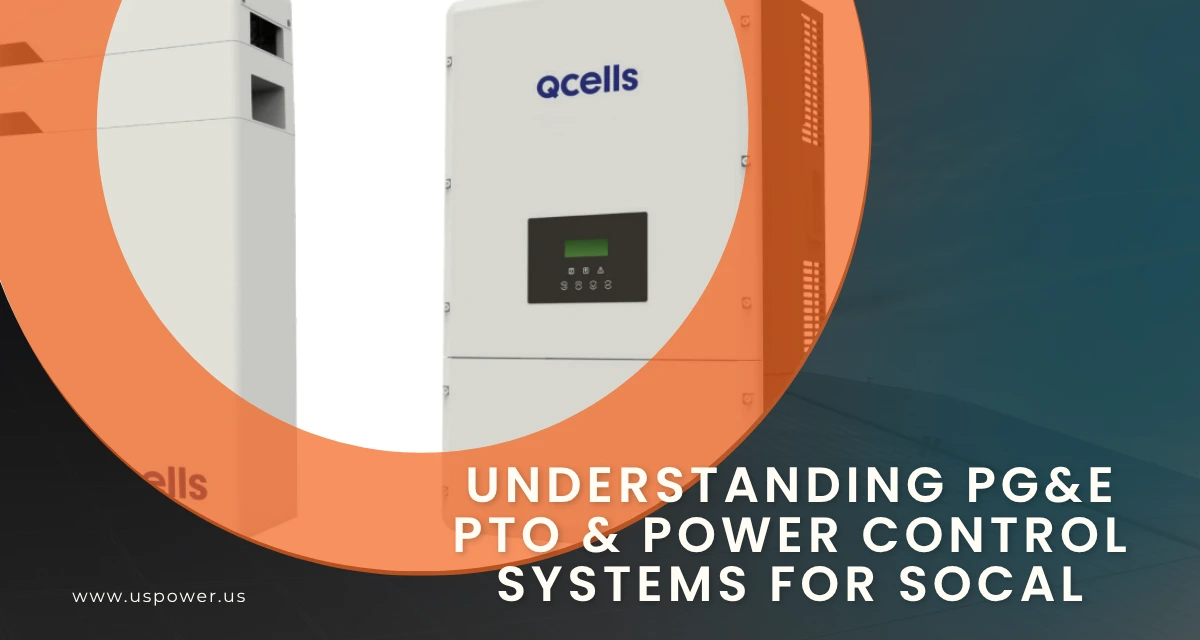
Understanding PG&E PTO & Power Control Systems for SoCal
Get PTO approval faster and save with a PCS-certified system through US Power.
Do Solar Panels Work in Hot Weather? Southern California Guide
California hot weather reduces solar efficiency slightly—but savings remain massive.







Derechos de autor © 2025 US POWER | Energía solar y techosUS Power - Axia by QCells. All Rights Reserved.

¡Obtenga una estimación solar instantánea usando el satélite!