




Do Solar Panels Work in Winter in Southern California?

Explore winter solar performance, battery benefits, and energy-saving strategies for Southern California homeowners during shorter daylight months.
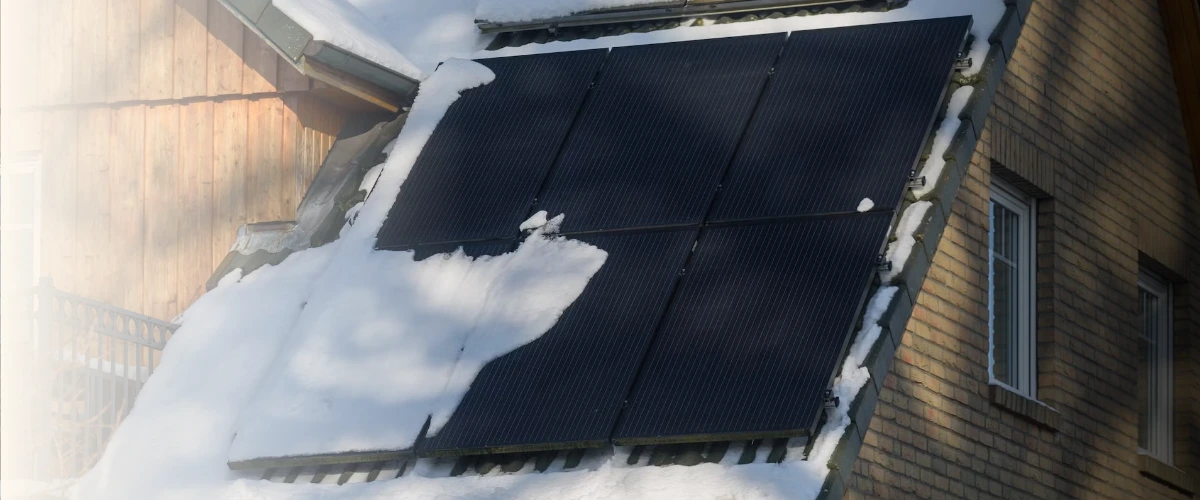
Many homeowners wonder: “Do solar panels work in winter?” It’s a common question, especially during the months when daylight is shorter and weather conditions seem less than ideal. Understanding how solar panels function in winter is key to planning your home’s energy strategy and avoiding surprises on your electricity bills.
Even in sunny Southern California, solar panels produce less electricity in the winter months compared with summer. This is mostly due to shorter daylight hours, the sun’s lower angle, and occasional overcast weather. But reduced output doesn’t mean solar panels stop working. In fact, cooler temperatures can slightly improve panel efficiency, helping maintain better solar performance in cold weather than you might expect. Homeowners who combine solar panels with battery storage often find that winter energy is still sufficient to power essential appliances and reduce reliance on the grid.
Why Solar Panels Still Produce Energy in Winter Time?
Even in the darkest time of the year, well-designed solar systems continue to generate electricity. Here’s why:
- Daylight still produces energy. Although the days are shorter, solar panels work with available sunlight, generating enough power to offset household electricity usage. Even partial sun can help generate energy for your home. Learn more about how solar panels work even on cloudy days to see how Southern California homeowners can still save.
- Cold weather can help performance. Panels often operate more efficiently in cooler temperatures, meaning winter solar performance can actually be more reliable than in extreme heat. In many cases, a crisp winter morning produces more electricity than a hot summer afternoon.
- Proper installation matters. Panels oriented for maximum winter sun and free from shade will produce significantly more electricity during the winter months. If you’re unsure about placement, check how to choose the best solar panels for your home to ensure optimal performance.
Southern California homeowners often notice that solar panels work best when the system is paired with a battery. Stored energy from sunny months helps power your home even on cloudy or rainy days. Investing in a high-quality battery allows you to store energy for the darkest time of the year and maximize your solar savings.
Common Winter Concerns About Solar Panels Work
Homeowners often report the following concerns about winter solar:
- Reduced production in the coldest months. While output drops, it rarely falls to zero. Most systems still produce some electricity, even on overcast days. This is why winter should be considered as part of an annual solar strategy, not a period of concern.
- Shading from trees and weather patterns. Low winter sun can cast shadows that affect solar performance. Regular maintenance, such as trimming trees and keeping panels clean, can help maintain optimal output. Read our guide on should you hire a professional to clean your solar panels for advice.
- Net metering and energy credits. Winter solar can feel insufficient if your home uses more electricity than the panels generate. However, energy saved during summer months often covers these gaps. For more insight, check understanding SCE’s new solar billing plan, which explains how net metering works and how it can offset winter usage.
How Solar Panels Work During the Winter Months
Winter is simply another time of year for solar panels. Understanding solar performance in winter helps set realistic expectations:
- Shorter daylight = lower production. Fewer hours of sunlight naturally means less energy generated, but panels still contribute to powering your home.
- Cold weather improves efficiency. Panels lose less energy to heat, so cold but sunny days are surprisingly productive. Efficiency gains in winter can sometimes offset the shorter hours of daylight.
- Energy storage maximizes savings. Batteries allow you to store excess energy produced on sunny days and use it during the darkest time of the year. Learn more about home solar battery systems for Southern California homeowners to understand your options.
Even in Southern California, where winter is mild compared with other regions, combining high-efficiency solar panels and a battery system ensures continuous electricity generation throughout winter time. Homes with properly designed solar systems can maintain near-full functionality even on the shortest, cloudiest days.
Why US Power + QCells Panels Keep Your Home Powered Year-Round
When considering winter solar, not all panels are created equal. QCells panels, installed by US Power, are engineered to maintain strong performance even in lower-light conditions:
- High efficiency ensures more energy production during the shortest days. Panels designed for cold weather and low-light conditions are ideal for Southern California winters.
- Cold-weather optimized design means panels perform better in winter solar conditions. Unlike some systems that lose efficiency in chilly temperatures, QCells panels can generate more electricity during winter months.
- Factory-direct pricing with US Power gives homeowners maximum savings. Avoid middlemen costs and secure panels at the best value. Read about high-efficiency solar panels with factory-direct pricing to learn more.
- Battery storage integration ensures you can use energy when you need it, not just when it’s produced. Coupling solar panels with batteries guarantees that electricity is available even during cloudy days or the darkest time of the year.
This combination allows your home to generate electricity consistently, reducing reliance on the grid and providing peace of mind during winter energy fluctuations.
Planning for Winter Solar: Tips for Southern California Homeowners
To optimize your solar panels work in winter, consider these practical steps:
- Monitor solar performance. Keep track of daily or weekly energy production to understand winter trends. Solar monitoring apps can help track production and identify issues.
- Optimize panel placement. Avoid shading from trees or nearby buildings that can reduce output. Proper tilt and orientation maximize winter sun exposure.
- Shift energy use to daylight hours. Running appliances like washing machines, EV chargers, or water heaters when the sun is out maximizes energy utilization. Learn more about powering your Southern California home with solar energy.
- Invest in battery storage. Stored energy ensures electricity even during cloudy winter days or the darkest time of the year. High-quality batteries also improve your ROI and energy independence.
How the Winter Months Affect Solar Savings
Southern California homes with all-electric systems often notice lower winter production. But with proper planning:
- Summer energy credits can offset winter electricity usage. Net metering ensures energy surplus in sunnier months benefits you later.
- Solar performance, even during winter solar months, can reduce bills year-round. Panels work effectively throughout the year, and homeowners still see measurable savings.
- Batteries and smart energy management ensure homes continue to generate and use electricity efficiently during cold weather.
Learn more about boosting solar savings with smart monitoring.
Solar Panels Work Even in Winter
If you’re asking “Do solar panels work in winter?”, the answer is a confident yes — especially with QCells panels and US Power’s tailored installation.
Here’s what you can do today:
- Schedule a free consultation with US Power to see how your home can maximize winter solar performance.
- Learn how battery storage can store energy from sunny months to cover the darkest time of the year.
- Start generating electricity efficiently and reduce your dependence on grid power during winter time.
Winter is here, but your energy savings don’t have to stop. Get a custom quote from US Power and see how solar panels work for your Southern California home — even in the darkest months.
Frequently Asked Questions About Winter Solar in Southern California
Will solar panels work in winter?
Yes! Solar panels continue to produce electricity even during winter. While output is lower due to shorter daylight hours and occasional overcast weather, properly installed panels—especially when paired with a battery—still generate enough energy to power your home.
Are solar panels efficient in winter?
Surprisingly, yes. Solar panels actually operate more efficiently in cooler temperatures. Cold but sunny days can generate more electricity than very hot summer days, making winter solar performance reliable in Southern California.
Is solar better in winter or summer?
Solar production is naturally higher in summer because of longer daylight hours and stronger sun exposure. However, modern panels like QCells maintain strong efficiency in winter, so your home still benefits year-round.
How can I maximize solar energy in winter?
To get the most from your panels in winter, ensure proper placement and tilt, avoid shading, use energy during daylight hours, and consider battery storage. Monitoring your system regularly helps identify any performance dips.
Will I save money on electricity in winter with solar?
Yes. While winter production may be lower, energy credits from summer months and efficient battery storage help maintain savings. Southern California homes with all-electric systems can reduce grid dependency even in winter.
Frequently Asked Questions


Do Solar Panels Need an Inverter for California Homes?
Learn why California solar homes require inverters for efficient power conversion.
Understanding PG&E PTO & Power Control Systems for SoCal
Get PTO approval faster and save with a PCS-certified system through US Power.
Where Do Solar Panels Connect to Your Home? (California 2025 Guide)
Understanding solar connection points matters more than you think. Safety First!








Derechos de autor © 2025 US POWER | Energía solar y techosUS Power - Axia by QCells. All Rights Reserved.

¡Obtenga una estimación solar instantánea usando el satélite!