




Why Small Solar Systems Can Cost You More in the Long Run

Learn how a well-designed solar system with US Power, and see why small solar systems may underperform without proper sizing and storage.
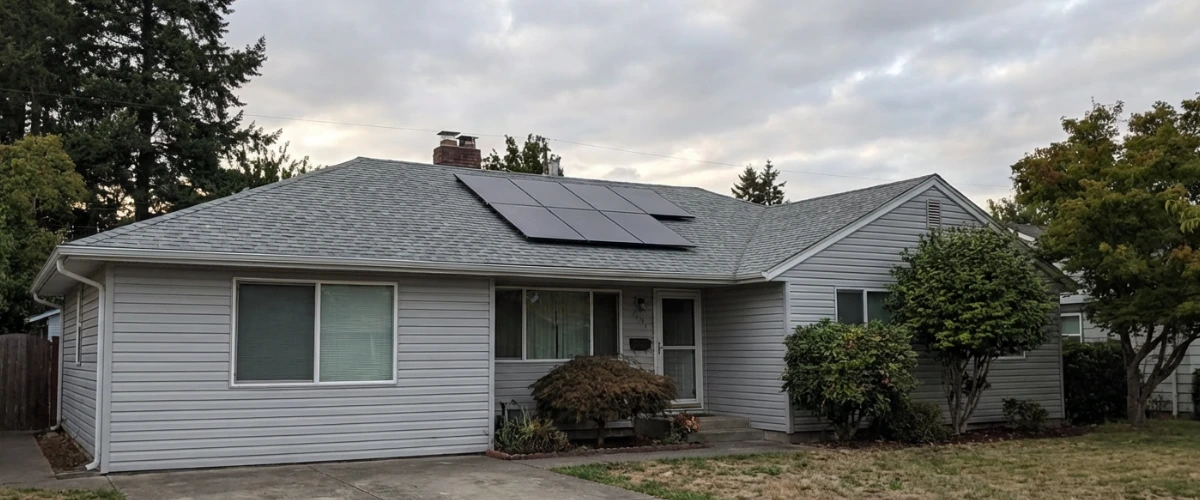
If you’ve ever been quoted a “small solar system,” you might think you’re being conservative or savvy. But here’s the tough truth many Southern California homeowners and cabin owners aren’t told upfront:
A too-small solar array can cost you far more over the long haul than a properly sized system.
That’s because under-sized solar systems often leave you dependent on expensive grid power, especially once you add an EV, heat pump, battery storage, or electrify your home. You’ll still draw from the grid during peak utility rates, miss valuable solar generation, and face regrets — and costs — you can’t undo.
In today’s market, with utilities revising compensation rules and export credits shrinking under California’s Net Energy Metering 3.0 (NEM 3.0) policy, sizing smart is more important than ever for homeowners who want to maximize long-term solar power savings and self-reliance.
This guide helps you understand how to:
- Size your solar system for the future
- Navigate export limits under NEM 3.0
- Optimize solar + battery storage benefits
- Avoid common rooftop solar pitfalls
Let’s dive in.
The Core Problem: Small Solar Systems = Missed Value
Install as large a solar panel system as makes sense now — because you’ll regret being under-sized when EVs, heat pumps, and batteries arrive.
Many get quoted a modest system because it covers today’s electric bill. But unless that solar system accounts for future electrification demands — like home electrification, EV charging, or increased HVAC load — you’ll still buy power from the utility at high rates.
Here’s a simple rule we share with homeowners based on real experience:
- Current kWh usage + future growth: Your energy usage today may be 8,000–12,000 kWh/year, but add an EV, a heat pump, or more electric appliances and that number can easily jump 30–50% — or more.
- Roof space: Leaving “just in case” area unused may limit future upgrades or make them costlier.
- Export limits: With NEM 3.0, compensation for excess solar sent back to the grid is significantly lower than retail value — sometimes as low as ~6–8¢/kWh — meaning exporting power without storage is far less valuable than using it yourself.
- Battery and EV loads: If your solar panels can’t support future loads, you risk still paying grid power for the things you wanted solar power to eliminate.
In short: size smart now and avoid a costly “solar redo” down the line.
Understanding NEM 3.0 — And Why Bigger Isn’t Always Better Without Strategy
California’s net metering landscape has changed.
Under Net Energy Metering 3.0, solar systems are compensated for exported energy at significantly lower rates compared to the older NEM 2.0 structure — often around 6–8¢/kWh, compared with retail rates that can be 30–50¢/kWh.
That means:
- Selling excess power back to the grid solar system earns far less than what you pay the utility to buy electricity.
- Self-consumption and solar + battery storage now provide far more value than exporting excess solar.
- Getting too many solar panels without a storage plan might leave you with under-rewarded excess production.
The key takeaway: It’s not just about size — it’s about strategy. To genuinely maximize solar power savings in 2025, you need to match your complete solar system with storage and usage patterns.
Solar + Battery Storage: The Winning Combo in 2025
Under NEM 3.0 and current utility structures in Southern California, battery storage isn’t just a nice add-on — it’s essential if you want the best savings.
1. Better Value for Your Solar Generation
Instead of exporting excess solar at low compensation rates, solar panel kits and batteries let you:
- Store daytime solar production
- Use it during expensive evening or peak hours
- Reduce reliance on the grid during costly TOU periods
This shift can dramatically increase your effective solar system value.
2. Improved ROI and Payback
Recent studies show:
- A solar-only system under NEM 3.0 can still yield strong returns
- Solar + storage systems achieve high ROI faster because they avoid grid purchases at peak rates
- Payback can be under 8 years for well-sized systems with storage, depending on usage and utility rates
3. Enhanced Resilience During Outages
California homeowners increasingly value resilience due to:
- Wildfire-related PSPS (Public Safety Power Shutoffs)
- Heat waves and extreme temperatures
- Grid reliability concerns
A battery paired with your solar panels gives you backup power during outages — something a small system alone can’t provide.
4. Available Incentives for Storage
California’s Self-Generation Incentive Program (SGIP) offers rebates for residential battery storage — sometimes up to 100% of installation cost for qualifying customers.
See California SGIP Battery Rebates.
QCells Solar Panels — A Smart Choice for SoCal Homes and Cabins
When it comes to equipment quality, QCells panels rank among the top tier for residential solar systems — and there are specific reasons they work so well for Southern California homes and cabins.
Why QCells Panels Are a Strong Fit:
- High efficiency: Many QCells modules reach ~20–22% efficiency, meaning more energy from the same roof space.
- Great performance in heat: Ideal for sunny SoCal rooftops.
- Durability & warranty: Long warranties offer peace of mind and long-term value
- Balanced cost vs. efficiency: Near-premium panel performance without top-tier pricing.
QCells panels also pair seamlessly with battery and inverter store systems, giving you a future-ready configuration that maximizes your solar power system investment.
The True Cost of Going Solar in 2025 (And Why Timing Matters)
One of the biggest motivators for homeowners is timing.
Federal Solar Tax Credit (ITC): The 30% federal tax credit for solar systems is still available for systems installed by the end of 2025. Lock in maximum savings with Claim the 30 Federal Solar Tax Credit.
California Property Tax Exclusion: Most solar panels qualify for a property tax exclusion, meaning home value increases without raising taxes.
SGIP Battery Rebates: Available for complete solar systems that include storage, increasing payback and long-term energy independence.
Sizing Your Solar Right — No Regrets
Installing solar systems isn’t just about covering today’s energy bill — it’s about planning for the next 5–10 years of electrical use:
- EV charging needs
- Heat pump or electrified HVAC systems
- Increased home automation and electrification
A system sized only for today’s consumption often becomes obsolete too soon. A smartly sized solar panel system, paired with battery storage:
✔ Covers growth in electric demand
✔ Saves more on utility bills over time
✔ Reduces grid dependence
✔ Improves resilience during outages
Getting it right from the start prevents the costly reality many homeowners face: paying for an extra upgrade later — essentially paying twice for what could’ve been built correctly at the outset.
Explore How to Calculate Solar System Size for your complete solar system.
Think Bigger, Think Future, Think Value
Small solar systems may look cheaper initially, but in Southern California’s evolving energy landscape, they often mean:
- Continued reliance on utilities
- Missed savings
- Regret when EVs or heat pumps are added
- Under-utilized roof space
- Lower value from exports under NEM 3.0
The smarter path:
A well-sized solar + battery system using high-efficiency QCells panels, supported by federal tax incentives and SGIP rebates — designed to meet your future energy needs and maximize savings.
Ready to Stop Wasting Money and Start Saving?
Book for a free, custom analysis of your home’s solar panel system potential.
We’ll size your system not just for today — but for the next decade of:
- EV charging
- Home electrification
- Peak energy cost avoidance
- Grid independence
Get your tailored quote with complete solar panel kits, factory-direct QCells panels, and optimized battery storage solutions. Don’t leave money on the table — Lock in 2025 tax incentives before they expire!
Frequently Asked Questions
How do I determine the right solar system size for my home?
What is NEM 3.0 and how does it affect my solar savings?
Do I need a battery with my solar system?
Can I install solar if I plan to get an EV?
What incentives are available for solar and battery storage in California?


The Guide to Hiring Solar & Battery Installers in 2025
Learn how to choose reliable solar battery installers for your home in 2025.

Get Solar Approval Fast in California Before Tax Credit Ends
Go solar the easy way. Connect now and claim your 30% federal solar credit.
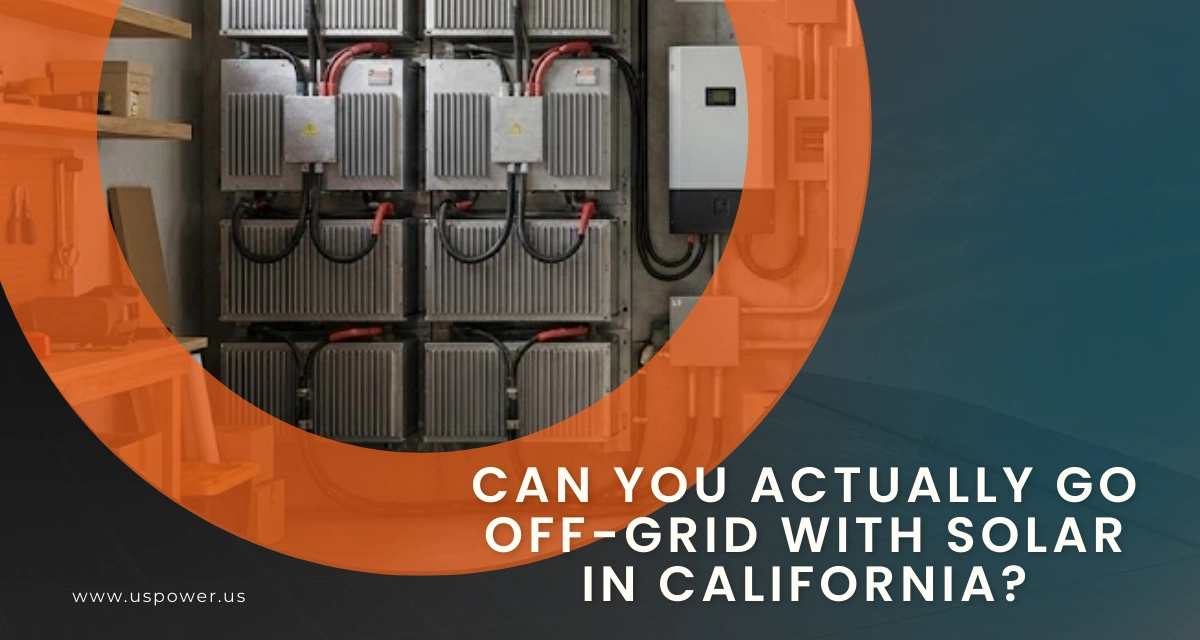
Can You Actually Go Off-Grid with Solar in California?
Cut the cord with SCE forever? Or is that just an expensive fantasy? The real truth!








Copyright © 2025 US Power - Axia by QCells. All Rights Reserved.

Get an instant solar estimate using satellite!