




What Homeowners Need to Know About Net Energy Metering NEM 3.0

Don’t let confusing NEM 3.0 rules drain your wallet. Learn how pairing solar with batteries and strategic energy use saves California homeowners money.
%20Cover.webp)
For many California homeowners, installing solar panels was supposed to make electricity bills simpler and help save money. After all, using the sun’s energy to power your home sounds like a win-win: clean energy and lower bills. But for homeowners under the Net Energy Metering (NEM) 3.0 rules, the reality can be more complicated. Confusing charges, low export credits, and unexpected costs often leave homeowners scratching their heads.
If you’ve ever looked at your SoCal Edison (SCE), PG&E, or SDG&E bill and wondered,
“Why am I paying so much even though I have solar?”
You’re not alone. This guide explains what’s really happening with your electricity billing, how California NEM works, and what steps you can take to maximize your solar savings.
What is Net Energy Metering (NEM)?
Net Energy Metering (NEM) is the program that allows homeowners to earn credits for sending extra electricity from their solar panels back to the grid. Here’s the simple idea:
- Your solar panels generate electricity for your home.
- If you don’t use all the electricity you produce, the surplus is sent to the utility grid.
- In exchange, you earn credits on your bill. These credits reduce your future charges.
In other words, NEM allows homeowners to offset the cost of electricity they draw from the grid by exporting renewable energy. It’s essentially a system that rewards solar energy generation and helps utilities integrate renewable energy systems into the grid.
Key terms every homeowner should know:
- Generation: The electricity your solar panels produce.
- Energy metering: The measurement of how much electricity you generate and consume.
- Net metering: A system where your bill is based on the net difference between electricity you consume and what you send back.
- Net billing: A newer method where exported energy is credited at a value closer to its market or grid value, not the retail rate.
- Credits: Dollar amounts applied to your electricity bill for excess solar generation.
- True-up: The annual reconciliation of your credits and charges.
Why NEM 3.0 Changed the Game
Before April 2023, California homeowners used NEM 1.0 or NEM 2.0. These older programs gave full retail-rate credits for excess electricity, meaning sending power back to the grid often resulted in large bill savings. However, new rules under NEM 3.0—sometimes called the Solar Billing Plan or Net Billing Tariff (NBT)—changed how exported energy is credited.
Key changes include:
- Exported energy is now credited at the hourly avoided cost of electricity, usually much lower than the retail rate.
- Delivery charges remain high, even if you generate all your own electricity.
- Monthly billing replaces annual billing, meaning homeowners see charges and credits every month instead of waiting until a yearly true-up.
- Net Surplus Compensation (NSC) replaces old cash-out methods, paying a fixed rate for any excess energy left at the end of the year.
New solar customers after April 15, 2023, automatically fall under this program. This is designed to encourage self-consumption and pairing solar systems with batteries rather than exporting electricity without storage.
Learn more about staying net-metered in 2025 while increasing solar capacity.
How Your Solar Bill is Calculated
Understanding a solar bill under NEM 3.0 or the NBT can feel like decoding a puzzle. Here’s the breakdown:
- Generation Charges: The cost for the electricity your home consumes.
- Delivery Charges: The fee for using the utility’s poles and wires. Even if you generate your own energy, you still pay for the infrastructure that keeps your home connected.
- Energy Export Credits (EEC): Credits earned from sending solar electricity back to the grid. Under NEM 3.0, these are based on hourly grid value, often lower than your retail electricity rate.
- Net Surplus Compensation (NSC): The end-of-year credit for any leftover energy after the monthly credit rollovers.
Example: Understanding Your Bill
Imagine your home exported 1,000 kWh in a month. Your EEC earned: $100. Your bill might look like this:
Even though you earned $100 in credits, only $35 is applied to your bill this month. Confusing, right? That’s why using solar batteries often saves more than exporting excess energy alone.
Why Homeowners Are Frustrated
Under NEM 3.0, many California homeowners feel frustrated for several reasons:
- Low export credits: Sending energy back to the grid may not offset high delivery charges.
- Complex billing language: Monthly bills include multiple line items, NSC calculations, and credit rollovers, making them hard to read.
- True-up surprises: At the end of the year, a balance may remain even if you thought your solar system covered all electricity usage.
Common questions include:
- “Do unused credits roll over?” Usually yes, month-to-month.
- “Is exporting energy even worth it?” Only if you don’t have storage; otherwise, storing energy often yields more savings.
- “Do I really need a battery?” For most homeowners under NEM 3.0, yes—batteries maximize self-consumption and bill reduction.
How to Maximize Your Solar Savings Under NEM 3.0
Even with NEM 3.0, solar systems can still save money. Here’s how homeowners can win:
1. Pair Solar Panels With Batteries
- Store excess energy for use during evenings or peak times.
- Avoid low-value export credits.
- Provide backup power during outages.
2. Use Energy Strategically
- Run appliances when solar production is highest.
- Time battery discharges to high TOU (Time-of-Use) pricing periods.
- Reduce imported electricity from the grid to maximize savings.
3. Monitor Your Energy System
- Track production and consumption daily.
- Identify patterns to optimize self-consumption.
- Ensure your system operates efficiently.
4. Choose High-Quality Panels
Efficient panels like QCells or similar maximize solar output. More energy produced = more self-consumption = better credits.
5. Consider Renewable Options
Programs like TotalGreen allow you to source electricity from 100% renewable energy when drawing from the grid. Small additional cost (~$4/month for average homes) but supports sustainability.
Solar + Batteries Help California Homes and the Grid
Pairing solar with batteries doesn’t just help homeowners—it supports the state’s renewable energy goals:
- Reduce fossil gas usage: Batteries store daytime solar, avoiding peak evening reliance on gas power plants.
- Support electrification: Homes can run heat pumps, induction stoves, electric vehicles, and more at lower cost.
- Reduce grid strain: Using stored solar energy during peak times prevents overloading the grid.
Nearly 70% of net billing tariff customers paired batteries with solar by the end of 2025, helping the state achieve clean energy goals while lowering greenhouse gas emissions.
True-Up and Net Surplus Compensation (NSC) Explained
True-up is the annual reconciliation of your credits and charges. Here’s how it works:
- Monthly, your net energy (generation minus consumption) is calculated.
- Any surplus credits roll over month-to-month.
- At the end of the year (usually April), any remaining credits are converted into Net Surplus Compensation (NSC) at a fixed rate (~$0.02–$0.03/kWh).
Because delivery charges and other fees still apply, true-up bills can be surprising—but they are fair when understood in context.
Choosing the Right Plan
For homeowners installing solar after April 14, 2023, the Solar Billing Plan (NBT) applies. Important features include:
- Credit for excess exports: Energy Export Credits (EEC) applied to your bill at standard rates.
- Monthly credit rollover: Unused credits roll over to help offset future bills.
- Annual cash-out: Any surplus energy left at year-end is credited at NSC rates.
- TOU rate requirement: Encourages energy use during off-peak times, reducing grid stress.
This plan is designed to reward homeowners who consume their own solar energy, rather than relying solely on sending it back to the grid.
Bottom Line for California Homeowners
NEM 3.0 and the Solar Billing Plan are more complex than earlier programs, but solar still works if you take a strategic approach:
- Stop relying solely on exports: Self-consumption is key.
- Invest in battery storage: Store daytime solar for high-value evening usage.
- Use energy strategically: Take advantage of TOU rates and monitor your system.
- Install high-quality solar panels: Efficient panels maximize your savings.
- Consider renewable electricity options: Programs like TotalGreen support sustainability.
By following these steps, California homeowners can save money, reduce frustration, and enjoy energy independence.
Feeling frustrated by your NEM 3.0 bill?
US Power can help simplify your solar strategy and show you how to maximize savings with panels + battery storage.
Schedule a free consultation today and stop letting confusing bills drain your wallet.
Frequently Asked Questions


High Efficiency Solar Panels, Factory-Direct Pricing & Tax Credit
High-efficiency Qcells solar panels for maximum savings in Southern Califfornia.
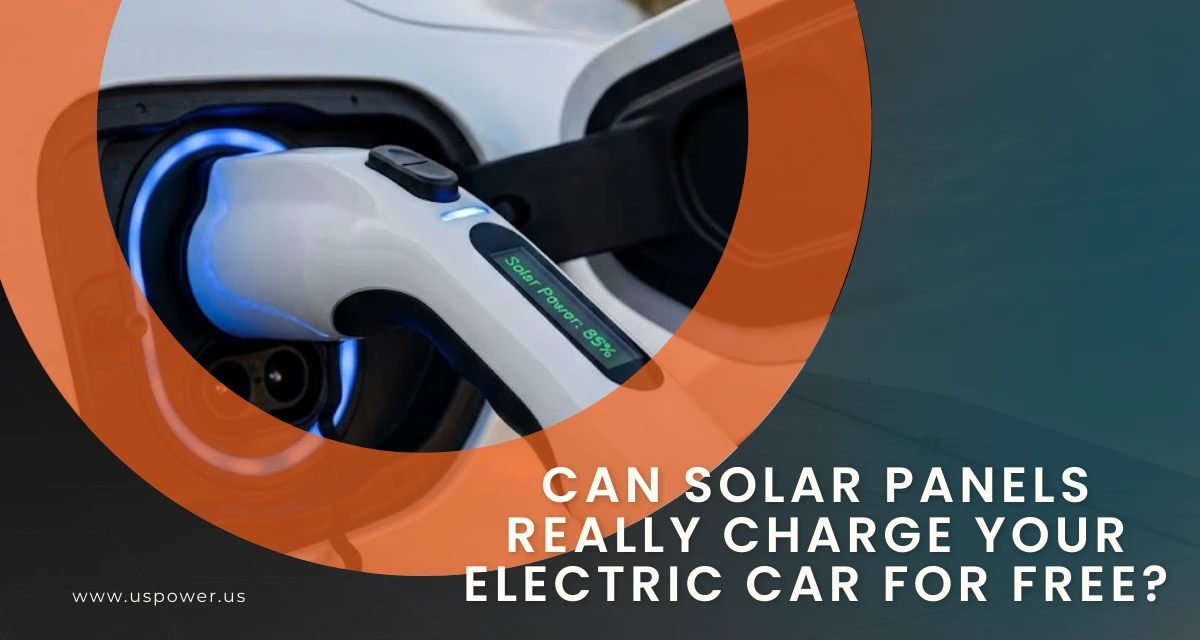
Can Solar Panels Really Charge Your Electric Car for Free?
Stop paying SCE $0.52/kWh to charge your Tesla this 2026. Switch to solar, go solar!

How to Size Solar Panels and Batteries for EV Owners
Your 2025 guide to solar panels, inverters, and batteries for a SoCal home.








Copyright © 2025 US Power - Axia by QCells. All Rights Reserved.

Get an instant solar estimate using satellite!