




How to Size Solar Panels and Batteries for EV Owners

Learn how many panels, inverter size, and battery capacity you need for your home in California. Get accurate guidance to lower bills and boost energy security.
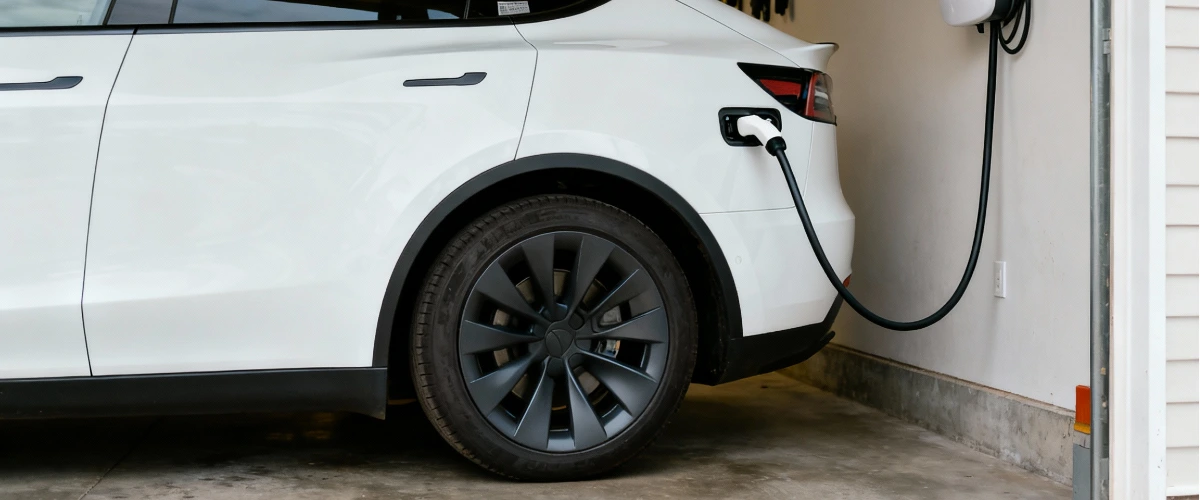
Cut your electricity bills, gain energy independence, and enjoy reliable power—even during outages. For Southern California homeowners, choosing the right solar system can feel overwhelming. How many solar panels do you need? What size inverter? And how big should your battery storage be? If your home uses around 300 kWh per month, this guide breaks it all down in simple terms.
Understanding Your Energy Needs
Before installing solar, you need to know how much electricity your home consumes. A monthly consumption of 300 kWh is relatively modest for Southern California households. To put this into perspective:
- A single air conditioner can use 1–2 kWh per hour.
- Lighting, appliances, and electronics add up quickly.
Accurately estimating your usage is crucial because your solar panels, inverter, and battery storage all depend on it. Over-sizing can be costly, while under-sizing may leave you relying on the grid. Learn more about how many solar panels do you need in your Los Angeles home to get a better idea for your specific needs.
How Solar Panels Are Sized
Solar panels are rated by their output in watts. To calculate the number you need, you consider:
- Daily consumption: 300 kWh/month ÷ 30 days ≈ 10 kWh per day.
- Peak sun hours: Southern California gets around 5.5–6 peak sun hours per day.
- Panel output: QCells panels are high-efficiency, averaging 400–425 W per panel.
Example Calculation:
10 kWh ÷ 0.425 kW ÷ 5.5 hours ≈ 4–5 panels.
Note: Most homes install more panels to account for cloudy days, seasonal changes, and future energy needs like EV charging. For insights on the top QCells solar panels and their performance, see our detailed guide.
Choosing the Right Inverter
The inverter converts DC electricity from your panels into usable AC electricity for your home.
- Size the inverter based on your peak load, not just average usage.
- A typical Southern California home consuming 300 kWh/month might require a 2–5 kW inverter.
- For safety and efficiency, a slightly larger inverter ensures your solar system can handle occasional spikes in electricity use.
Learn more about do solar panels need an inverter for California homes to understand compatibility and sizing.
Battery Storage: Power When You Need It Most
Batteries store energy for use when the sun isn’t shining or during outages. The right size depends on how energy-independent you want to be.
- For a home using 300 kWh/month, a 10–20 kWh battery system provides 3–7 days of backup, depending on your priorities.
- QCells solar batteries integrate seamlessly with your panels, offering factory-direct pricing, high efficiency, and American-made reliability.
- Batteries also help maximize savings by storing energy during the day and using it at night, reducing your reliance on grid electricity.
Explore our guide on how solar and battery systems protect CA homes during grid failures for more details.
Why QCells Panels Are a Smart Choice for Southern California
US Power’s exclusive partnership with QCells means homeowners get:
- High-efficiency, durable panels that perform well in heat.
- Factory-direct pricing, avoiding unnecessary markups.
- American-made quality with long-term warranties.
- Optimized compatibility with solar battery storage for maximum energy security.
This combination ensures you get more energy, more savings, and more control over your electricity. Discover why QCells is the smartest home solar choice in 2025.
Understanding Costs, Incentives, and Savings (November 2025)
Southern California homeowners can take advantage of several incentives:
- Federal Solar Tax Credit (ITC) – 30% of your solar system cost.
- State and Local Rebates – Vary by city and utility provider.
- Net Energy Metering (NEM) – Sell excess power back to the grid for credits.
Example:
5 kW QCells system ≈ $12,500
Federal ITC 30% ≈ $3,750 savings
Out-of-pocket cost ≈ $8,750
Combined with reduced monthly electricity bills, most homeowners recoup their investment in 5–7 years. Learn more about net energy metering 2.0 California and how it affects your savings.
Tips for a Successful Solar Installation
- Professional Site Assessment: A certified installer evaluates roof space, shading, and orientation.
- System Customization: Ensure your panels, inverter, and batteries match your unique usage.
- Future-Proof Your System: Consider potential EV charging, home expansions, or increased energy consumption.
- High-Quality Equipment: Stick to trusted brands like QCells to ensure durability and warranty coverage.
For guidance on selecting installers, see our step-by-step guide to finding solar installers near me.
Take the Next Step with US Power
Installing a solar system is one of the smartest investments for Southern California homeowners. With US Power, you get:
- Exclusive QCells panels
- Custom battery storage solutions
- Factory-direct pricing
- Expert installation and ongoing support
Don’t wait for electricity rates to rise further.
Schedule a free, no-obligation consultation today and see how much you can save while gaining energy independence.
Sizing a solar system for a home that consumes 300 kWh per month doesn’t have to be complicated. By understanding your energy needs, choosing the right panels, inverter, and battery storage, and leveraging incentives, you can enjoy lower electricity bills, energy security, and environmental benefits. US Power and QCells make it simple, reliable, and cost-effective for Southern California homeowners.
Frequently Asked Questions


Solar Production Winter vs Summer in California: What to Expect in 2025
Most homeowners are shocked to learn their solar panels shut off during outages.
Why Owning Your System Beats Leasing in SoCal
Learn more about why owning solar beats leasing in Southern California 2025.
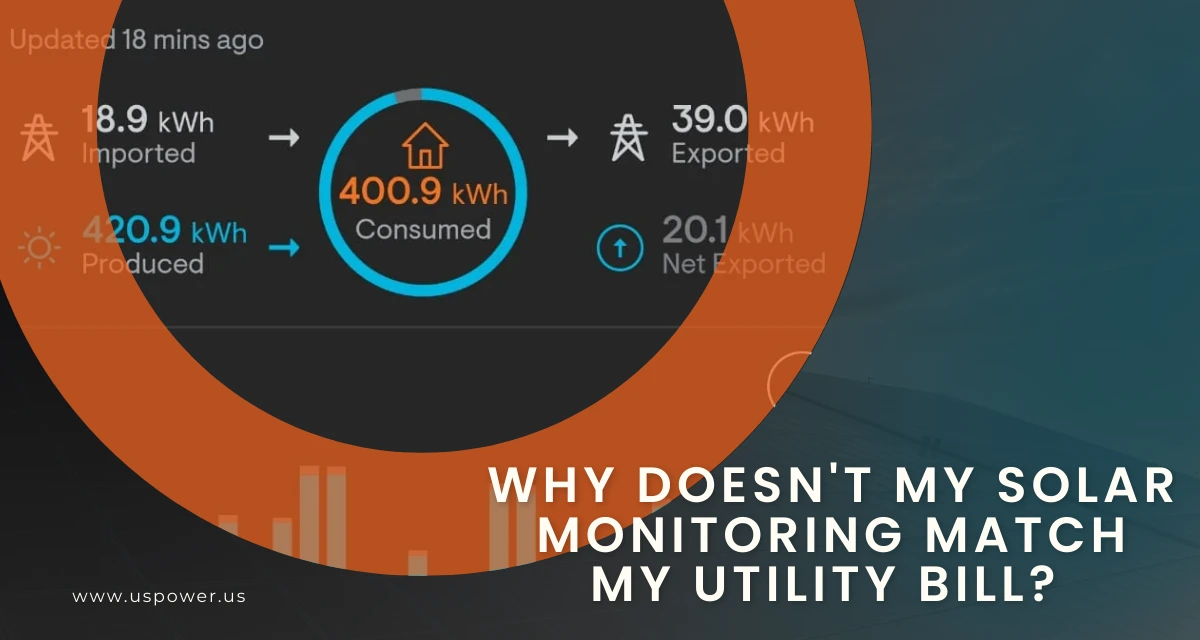
Why Doesn't My Solar Monitoring Match My Utility Bill?
Monitoring app shows completely different energy numbers than your SCE or PG&E bill?








Copyright © 2025 US Power - Axia by QCells. All Rights Reserved.

Get an instant solar estimate using satellite!