




How to Calculate Solar Power System Size?

Learn the advantage of estimating your solar panel needs and energy savings—and why speaking with a solar consultant ensures the most accurate results.

Many Southern California homeowners are exploring solar energy as a way to lower skyrocketing electricity bills, gain energy independence, and reduce their carbon footprint. But one common question often holds them back: How do I know the right solar system size for my home?
A solar calculator can provide a rough estimate of your solar panel potential, energy savings, and how many panels you might need. However, calculators only offer approximate numbers — for a precise solar system proposal, consulting a solar expert is essential.
This guide will help you understand how to use solar calculators like PVWatts, evaluate solar panel estimates, and explain why a professional assessment through a company like US Power is the best way to get an accurate solar power system proposal.
Why Estimating Solar System Size Matters
1. Understand Your Energy Usage
The first step to calculating the right system is knowing your home’s electricity usage. Most solar calculators require your average monthly kWh consumption to estimate solar power generation. Accurately tracking your energy usage ensures your projected solar savings are realistic and prevents over- or under-sizing your system.
For homeowners unsure of their usage, reviewing past PG&E bills or using a home energy monitoring tool is highly recommended. Accurate energy data is the foundation for determining the number of panels your system will need.
Learn more about how to read your SoCal electric bill for solar savings.
2. Consider Roof Orientation, Tilt, and Shading
While a solar panel calculator can provide estimates, real-world factors play a major role in system performance. Roof tilt, orientation, and shading from trees or neighboring structures can significantly affect energy output.
Even two homes with identical energy consumption may require different system sizes due to these variations. Calculators may assume ideal conditions, but your roof’s unique characteristics will determine the actual number of panels you need. Tools like how to measure sun exposure for solar panels can help homeowners understand these variables.
3. Panel Efficiency and Quality
Not all solar panels are created equal. High-efficiency panels like QCells produce more power in a smaller space, which can reduce the number of panels required for your system. Quality panels also maintain their output longer, translating to higher long-term energy savings.
For homeowners considering which panels to install, see our guide on how to choose the best solar panels for your home to compare efficiency, warranty, and cost.
How to Use a Solar Calculator
Solar calculators like PVWatts, OpenSolar, or Tesla’s PV estimator can give you a general idea of solar potential without submitting sensitive personal information. Here’s a simple approach for homeowners:
- Enter your location and average energy usage. This allows the calculator to estimate local solar irradiance and monthly energy production.
- Input your roof’s tilt, orientation, and panel type. Different roof angles and panel efficiency levels influence your system’s output.
- Adjust loss assumptions for shading, roof obstructions, and efficiency. Calculators usually have default loss factors, but tweaking them for your home improves the estimate.
- Review the solar calculator results.You’ll see total energy production, the number of panels needed, and potential solar savings.
Tip: Using a PVWatts calculator or any solar panel calculator can give you a rough estimate, but only a professional consultation can verify your system potential and savings accurately.
When Calculators Work — And When They Don’t
Good for:
- Estimating panel size and number of panels needed
- Comparing different solar system options
- Understanding how tilt, orientation, and shading affect output
Not enough for:
- Making final financial decisions
- Designing series-parallel systems for battery storage
- Precise solar savings projections
Even the best calculator solar tools are limited to approximate estimates. To know the right panel size, series-parallel connections, and battery storage needs, a consultation with a solar professional like US Power is essential.
Why QCells Panels and Battery Storage Matter
High-quality solar panels like QCells, when paired with battery storage, provide homeowners with:
- Higher power output per panel
- Reliable performance over decades
- Factory-direct pricing for cost efficiency
- Energy storage for use during peak hours and outages
A professional assessment ensures your system is sized correctly and maximizes both energy production and savings. Learn more about the benefits of pairing panels with storage in everything you need to know about solar and battery storage.
Typical Solar System Costs in Southern California (2025)
*Assumes eligibility for the federal tax credit.
Knowing your panel size and energy usage helps calculate potential solar savings, but remember: calculators only provide estimates, not exact numbers. For accurate results, a solar consultation ensures your system is neither oversized nor undersized.
How to Calculate Solar Power Correctly
- Start with a solar calculator. Tools like PVWatts or a calculator solar panel provide initial estimates.
- Gather actual energy usage and roof details. Use utility bills and roof measurements to refine estimates.
- Consult a solar professional. Experts can calculate panel size, series-parallel connections, and battery storage needs.
- Compare system estimates to real-world bills. This ensures your savings projections are realistic.
This approach maximizes your long-term solar savings, prevents overspending, and ensures you get the most out of your system.
Final Thoughts: Calculators vs. Expert Guidance
A solar calculator is a helpful tool for education, but it cannot replace professional guidance. The most accurate solar power estimates come from a consultation with a solar expert, who can assess roof conditions, panel potential, and provide a tailored solar system proposal with QCells panels and battery storage.
Start with a calculator solar panel estimate, then get expert advice — that’s the formula for smart, long-term energy savings.
Homeowners ready to take the next step can schedule a free US Power consultation to receive a detailed solar proposal, including:
- Correct system size
- Battery storage recommendations
- Optimized panel layout
- Realistic energy savings projections
Don’t rely solely on online calculators — professional guidance ensures your Southern California home achieves maximum solar efficiency and savings.
Calculators vs. Expert Guidance
A solar calculator is a helpful tool for education, but it cannot replace professional guidance. The most accurate solar power estimates come from a consultation with a solar expert, who can assess roof conditions, panel potential, and provide a tailored solar system proposal with QCells panels and battery storage.
At US Power, our team of solar consultants helps Southern California homeowners get precise solar system recommendations based on their actual energy usage and roof conditions — not just online estimates.
Start with a free consultation with US Power to get a detailed solar proposal, including potential savings, recommended panel size, and battery storage options. That’s the formula for smart, long-term energy savings.
See how much solar your home could produce — and get real, actionable savings estimates — book a Free Solar Consultation today.
Frequently Asked Questions
What size solar panel calculator should I use?
For accurate estimates, use a trusted online calculator like PVWatts or OpenSolar. These calculators allow you to input your location, roof tilt, orientation, and energy usage to provide a rough estimate of system size and potential energy savings. Remember, calculators only give estimates — a professional consultation is needed for precise sizing.
How do I calculate solar panel size for my home?
To calculate the right system size:
- Determine your average monthly electricity usage (kWh).
- Consider your roof size, orientation, tilt, and shading.
- Factor in panel efficiency (higher efficiency panels generate more power in less space).
- Use a solar calculator for an initial estimate, then consult a solar expert to finalize panel count and layout.
How many sunlight hours does a solar panel need?
Solar panels need 4–6 peak sun hours per day on average to generate significant energy. Southern California typically gets around 5–6 hours daily, making it ideal for solar. Keep in mind that shading, panel orientation, and tilt can affect the actual energy production.
Can I oversize or undersize my solar system?
Yes. Oversizing may waste money on unused capacity, while undersizing may leave you reliant on the grid more often. A professional assessment ensures the system matches your home’s energy needs without unnecessary costs.
Do solar panel calculators account for battery storage?
Most online calculators estimate only solar panel output and energy production. They typically do not calculate battery storage needs. If you plan to add a battery, a solar professional can design the system to optimize storage, power usage, and savings.
Frequently Asked Questions


Why 2025 Is the Year to Invest in a Solar Carport in SoCal
Save on energy and gain shade—here’s why solar carports are trending in SoCal.

Last Chance for 30% Solar Savings: Tax Credit Deadline 2025
Secure your solar system by Dec 31, 2025, to lock in the full 30% tax credit.
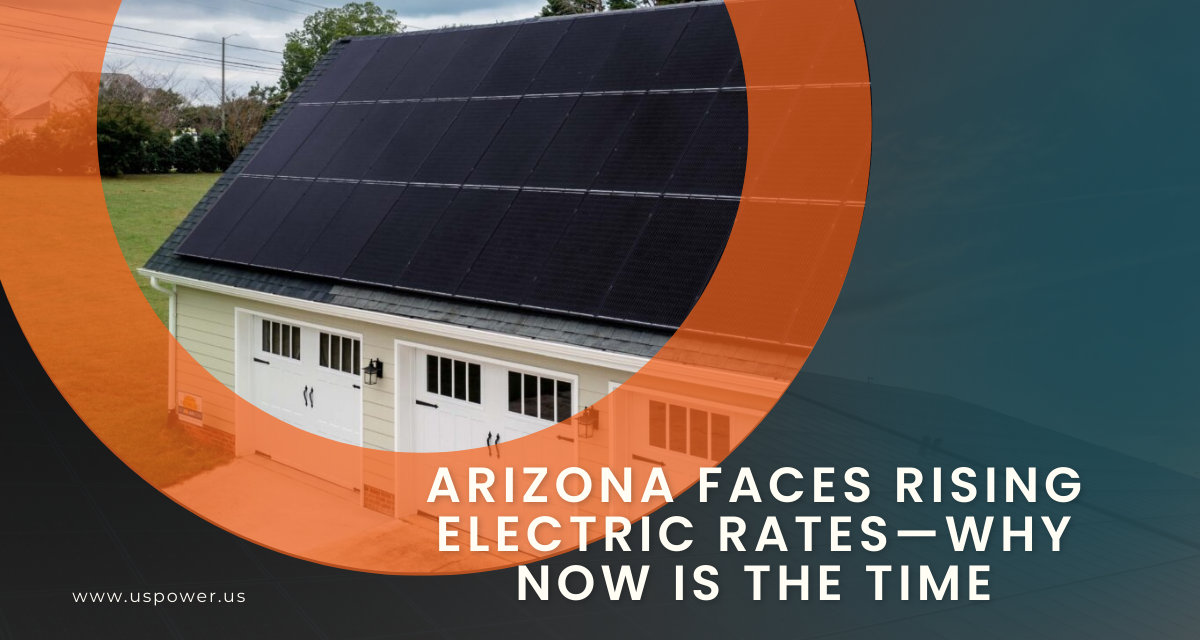
Arizona Faces Rising Electric Rates—Why Now Is the Time
Act now as Arizona electric rates rise fast—why solar is the smarter choice.








Copyright © 2025 US Power - Axia by QCells. All Rights Reserved.

Get an instant solar estimate using satellite!