




Why Aren't My New Solar Panels Generating Power?

Just installed solar panels but seeing zero production? You're not alone. From breaker issues to PTO delays, here's exactly what to check.
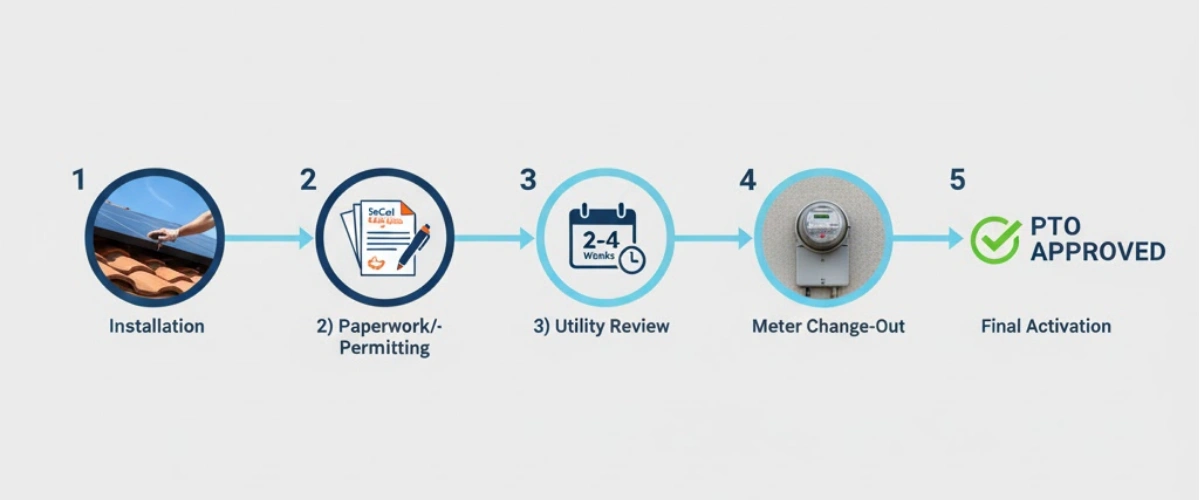
You just spent thousands of dollars on a brand-new solar system. The panels are gleaming on your roof, the monitoring app is installed on your phone, and your installer assured you everything is "all set." But when you check your production? Zero. Zilch. Nothing.
Before panic sets in, take a breath. In most cases, your new solar panels aren't broken—they're just turned off. And you're far from alone in this frustrating experience.
The #1 Reason New Solar Panels Don't Generate Power
Here's what likely happened: your installer left your system's breakers in the "off" position. This is actually standard practice in the solar industry, but here's where things go wrong—many installers fail to communicate this critical step to homeowners.
Why Installers Leave Breakers Off
Solar companies intentionally leave your system disconnected for an important reason: Permission to Operate (PTO). Your utility company must formally approve your system and install net metering before you can legally send power back to the grid. If your system starts producing before PTO approval, you could actually be charged for the electricity you generate instead of receiving credits.
The problem? Too many installers say "you're all set" without explaining that you need to flip the breakers once you receive PTO confirmation. Understanding Permission to Operate (PTO) is crucial for every new solar owner.
How to Check Your Breakers
Look for your solar disconnect box or combiner box—usually mounted near your main electrical panel or on an exterior wall. Inside, you'll see several breakers labeled for your solar system. If they're in the "off" position (pointing to the left or down), that's your problem.
Once you have PTO approval from your utility, simply flip these breakers to "on." Your system should start producing within 10-20 minutes as the microinverters or string inverters go through their safety startup sequence.
Understanding the PTO Process and Timeline
Permission to Operate isn't just bureaucratic red tape—it's a safety requirement that protects utility workers and your home. Here's how the process typically unfolds.
What PTO Actually Means
After your solar installation is complete, your installer submits an interconnection application to your utility company (SCE, PG&E, or SDG&E in Southern California). The utility reviews the application, schedules an inspection if needed, and installs or programs your meter for net metering.
Only after this approval can you legally operate your system. The timeline varies by utility but typically takes 2-4 weeks after installation.
Signs Your PTO Has Been Approved
Your utility will usually send approval via email or postal mail. You might also notice:
- A new or reprogrammed meter on your home
- A formal letter with your interconnection agreement number
- An update in your utility's online portal
Your installer should notify you when PTO is granted and explicitly tell you to turn on your breakers. Unfortunately, as countless homeowner forums prove, this communication often falls through the cracks.
Other Reasons Your Solar System Isn't Producing
While breakers are the most common culprit, other issues can prevent your new solar panels from generating power.
Monitoring System vs. Actual Production
Your monitoring app might show your system is connected but not producing. This usually means your Enphase Envoy, SolarEdge monitoring device, or similar equipment is online, but the actual solar production circuit is still disconnected.
Check if your monitoring shows "system status: inactive" or similar messages. This typically confirms the breaker issue rather than a hardware problem.
Inverter Startup Delays
Modern solar systems use anti-islanding protection—a safety feature that prevents your solar panels from energizing the grid during a power outage. When you first turn on your system, inverters (whether microinverters or string inverters) need 10-20 minutes to verify grid conditions before they'll start producing power.
If you flip your breakers and don't see immediate production, wait 15-30 minutes. Solar systems are designed to be cautious, not instant.
Weather and Time of Day
This one seems obvious but catches many new solar owners off guard: if you activate your system at night or during heavy cloud cover, you won't see meaningful production. Solar panels need sunlight to generate electricity.
Check your production during mid-morning to mid-afternoon on a clear day for the most accurate assessment of whether your system is working properly.
What US Power Does Differently from Other Solar Companies
The "surprise, your breakers are off" scenario reveals a deeper problem in the solar industry: poor communication and rushed installations. At US Power, we've seen this happen too many times with other installers' customers.
Comprehensive System Walkthrough
Every US Power installation includes a complete system walkthrough where our CSLB-licensed technicians show you:
- Exactly where your solar breakers are located
- How to safely turn them on once you receive PTO
- What your monitoring system should display
- Who to contact if you notice any issues
We don't leave your property until you understand how to operate your system. This is part of proper installation and system walkthrough that should be standard across the industry but often isn't.
Clear PTO Communication
We track your PTO application through every step and notify you immediately when approval arrives. You'll receive:
- A text and email when we submit your interconnection application
- Regular updates on utility processing timelines
- Explicit instructions on activating your system
- A follow-up call after activation to confirm production
Understanding our 3-6 week installation timeline helps you know what to expect at every stage, from site survey through PTO activation.
Factory-Direct QCells Quality
When you choose US Power, you're getting American-made QCells panels installed by certified professionals who take pride in their work. Our installers aren't rushing to the next job—they're focused on getting your system right the first time.
Our comprehensive 25-year warranty covers not just the panels but also workmanship and system performance, giving you peace of mind that extends far beyond installation day.
Should You Add Battery Storage to Your System?
While we're on the topic of post-installation surprises, let's address something many homeowners wish they'd known earlier: solar panels alone aren't enough under California's NEM 3.0 policy.
Why Batteries Matter in 2026
Under NEM 3.0, the credits you receive for sending excess solar power to the grid have dropped by 75% compared to the old NEM 2.0 rates. This means your solar panels will still drastically reduce your electricity bills, but you'll maximize savings by storing excess production in batteries for use during evening peak hours when rates are highest.
If you're already frustrated about your system not producing, imagine the frustration of learning later that you're only capturing 25-30% of your system's potential savings. Learning about battery backup systems before finalizing your solar design can save you thousands over the life of your system.
Grid Independence Benefits
Beyond financial savings, batteries provide backup power during Southern California's increasingly common power outages. While your solar panels will shut off during a blackout (for utility worker safety), a battery system can keep your essential appliances running.
Common Post-Installation Issues to Watch For
Even after you get your system producing, stay alert for these potential problems that signal poor installation quality.
Production Significantly Below Estimates
Your solar monitoring app should show production reasonably close to your system's design estimates (accounting for seasonal variation and weather). If you're consistently seeing 20-30% less production than promised, something may be wrong with:
- Panel orientation or shading issues
- Faulty inverters or optimizers
- Incorrect system wiring
Understanding what happens after solar installation helps you identify when issues need professional attention versus normal system behavior.
Monitoring System Disconnections
Your monitoring should provide consistent data about your system's performance. Frequent disconnections, missing data, or error messages might indicate communication problems between your inverters and monitoring gateway.
Unexpected Utility Charges
Even with solar, you'll still receive monthly bills from your utility for grid connection fees and any power you use beyond what your system produces. However, if your bills show unexpected charges or your net metering credits aren't appearing correctly, contact your installer immediately.
Questions to Ask Before Installation Day
If you're still in the research phase, use this unfortunate "breakers off" scenario as a learning opportunity. Here are essential questions that separate professional installers from the rest.
Installation and Activation Process
Ask your potential installer:
- "Will you walk me through the complete system before you leave?"
- "How will I know when I have PTO approval?"
- "What exactly do I need to do to activate my system?"
- "Will someone be available by phone after installation if I have questions?"
These aren't luxury services—they're basic professional standards. Learning about things you must know before going solar helps you evaluate installers during the sales process.
Communication and Support
- "How do you track PTO applications?"
- "What's your average timeline from installation to PTO?"
- "Who do I contact if my system isn't producing as expected?"
If an installer can't give you clear, confident answers to these questions, that's a red flag. When you're making a 25-year investment in your home, communication matters as much as equipment quality.
Warranty and Long-Term Support
Many solar companies go out of business within five years. Ask:
- "What happens to my warranty if your company closes?"
- "Do you subcontract installations or use in-house crews?"
- "How long have you been in business in Southern California?"
Understanding choosing the right solar company becomes critical when you need support years down the road.
Taking Control of Your Solar Investment
The "new solar panels not generating power" problem usually has a simple fix—flip the breakers. But the real issue runs deeper: it reveals an industry-wide problem with installer communication and customer service.
You invested in solar to take control of your energy costs and reduce your dependence on utility companies. Don't let poor installer communication rob you of those benefits. Whether you're troubleshooting an existing system or researching solar for the first time, remember that quality installation and clear communication aren't luxuries—they're requirements.
Frequently Asked Questions
Why did my installer leave the breakers off?
How long does it take for solar panels to start producing after I flip the breakers?
Can I turn on my solar system before receiving PTO?
What if my system still doesn't produce after flipping the breakers?
Should I have received training on my solar system?


Is Solar Pricing Transparent in California? | 2026 Quote Analysis
Three quotes. Same house. $15,000 difference. No explanation why. You should worry.
What to Expect With a Solar Panel Installation
Here’s what California homeowners can expect when switching to solar with US Power.
Cost of Leasing vs. Buying Solar Panels in California 2025
Compare real costs of leasing vs buying solar panels for California homeowners.








Copyright © 2025 US Power - Axia by QCells. All Rights Reserved.

Get an instant solar estimate using satellite!