



7 Solar Panel Installation Mistakes That Could Cost You Thousands
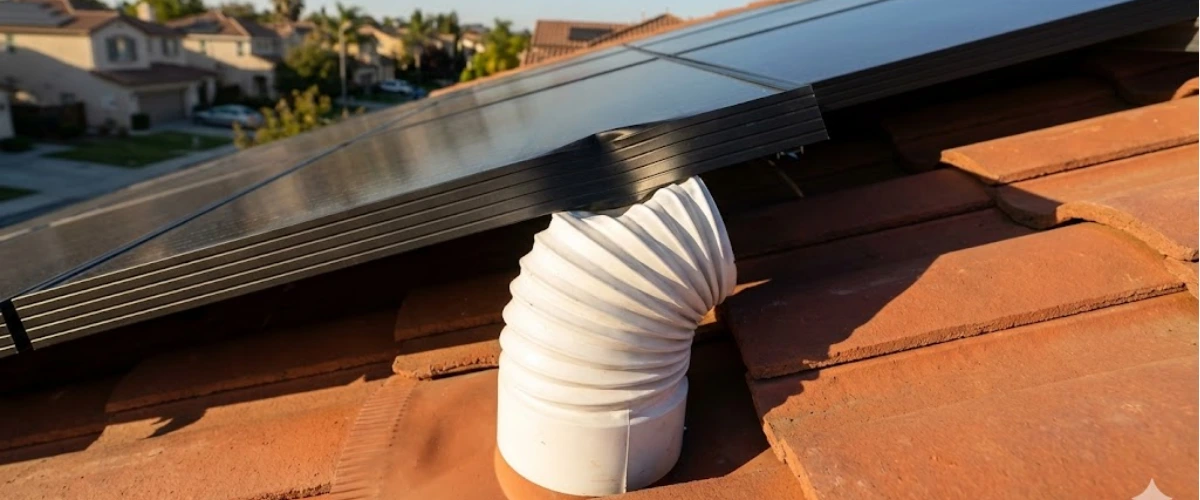
Solar panels covering dryer vents. Failed inspections. Roof damage from improper mounting. These aren't rare horror stories—they're common mistakes that happen when solar companies cut corners. Here's what you need to know.
You trusted them to do it right. After all, they're the professionals.
But now your dryer won't work. Or worse—your city inspector failed your installation. Maybe you're discovering roof damage months later. These aren't isolated incidents. They're happening to California homeowners right now because not all solar installers follow the same standards.
A recent Reddit thread exposed a shocking reality: a solar company installed panels directly over a homeowner's dryer vent, causing the appliance to fail completely. The comments revealed this isn't an isolated mistake. It's a symptom of rushed installations, inadequate training, and companies that prioritize speed over quality.
Here's what every Southern California homeowner needs to know about solar installation mistakes—and how to avoid becoming another cautionary tale.
Why Solar Installation Mistakes Are More Common Than You Think
The solar industry is booming in California. With NEM 3.0 and rising SCE rates, thousands of homeowners are making the switch every month. But rapid growth has created a problem: not every installer has the experience, training, or commitment to quality that your home deserves.
The Rush to Install Creates Shortcuts
Many solar companies are overwhelmed with demand. Installation crews face pressure to complete multiple jobs per day. This rush leads to critical oversights like covered vents, improper wiring, and structural mistakes that won't be discovered until it's too late.
Not All Installers Are Created Equal
California requires CSLB licensing for solar installation, but enforcement varies. Some companies use subcontractors with minimal training. Others hire crews that have never worked on residential roofs before. The result? Mistakes that cost you thousands in repairs.
Inspections Don't Always Catch Everything
City inspectors typically don't climb on roofs. They rely on photos, drone footage, or ground-level assessments. This means covered vents, improper mounting, and other issues can slip through—only to cause problems months or years later when you need your dryer, discover a leak, or try to sell your home.
7 Most Common Solar Installation Mistakes in California
1. Covering Roof Vents (The Dryer Vent Disaster)
This is the mistake that sparked our research. Solar panels installed over dryer vents violate California building code and create serious safety hazards. Blocked dryer vents cause appliances to fail, increase energy consumption, and pose fire risks from lint buildup.
But it's not just dryer vents. Some installers mistakenly cover plumbing vents, attic ventilation, or exhaust systems. While plumbing vents can have panels installed over them (they're elevated above the roof deck), dryer and exhaust vents must remain completely accessible.
Why it happens: Installers prioritize panel placement for maximum sun exposure without considering what's underneath. Poor site assessment and rushed installation schedules compound the problem.
The fix: Panels must be relocated. This requires removing mounting hardware, patching holes, and reinstalling panels in compliant locations. Any concerns about roof damage from this process are valid and should be addressed with your installer upfront.
2. Improper Mounting and Roof Penetrations
Every mounting bracket requires drilling through your roof. Done correctly, these penetrations are sealed and waterproofed. Done incorrectly, they're future leak points that can cause thousands in water damage.
Common mounting mistakes include:
- Insufficient sealant around lag bolts
- Mounting into rafters without proper support
- Using wrong hardware for your roof type (tile, composition, metal)
- Over-tightening bolts that crack tiles or shingles
3. Ignoring the Proper Solar Permitting Process
Every solar installation in California requires permits and inspections. Some companies try to cut corners by submitting inaccurate plans or skipping steps entirely. This creates major problems:
- Failed inspections that delay your Permission to Operate (PTO)
- Code violations that must be corrected before activation
- Liability issues if something goes wrong
- Difficulty selling your home without proper permits on file
Red flag: Any installer who says permits are "optional" or tries to rush through the process without detailed plans.
4. Inadequate Electrical Work
Solar systems tie directly into your home's electrical panel. Mistakes here aren't just inconvenient—they're dangerous. Common electrical errors include:
- Undersized wiring that overheats
- Improper grounding that creates shock hazards
- Breakers that trip repeatedly
- Inverters installed in unsuitable locations (too hot, no ventilation)
These issues might not surface immediately, but they create long-term safety risks and system failures.
5. Poor Wire Management and Organization
You might think messy wiring is just an aesthetic issue. It's not. Exposed wires, improper conduit runs, and tangled connections create:
- Fire hazards from arcing or shorts
- Faster degradation from weather exposure
- Difficult troubleshooting when problems arise
- Failed inspections that delay activation
Professional installers run clean conduit, secure all connections, and protect wiring from elements.
6. Ignoring Roof Load Capacity and Structural Integrity
Solar panels add weight to your roof—typically 2-4 pounds per square foot. Older homes or roofs in poor condition might not handle this additional load safely. Responsible installers assess:
- Rafter spacing and condition
- Overall roof age and integrity
- Previous repairs or weak spots
- Local wind and snow load requirements
Skipping this assessment can lead to sagging, structural damage, or even roof collapse in extreme cases.
7. Incorrect System Sizing or Panel Placement
Not every installation mistake is dangerous—some just cost you money. Poor system design includes:
- Undersized systems that don't cover your usage
- Panels placed in shaded areas with low production
- Ignoring future energy needs (EV charging, home additions)
- Suboptimal tilt angles for your location
These mistakes mean you're paying thousands for a system that underperforms from day one.
What Happens When Solar Companies Make Mistakes
The Reddit homeowner's story doesn't end with a broken dryer. Here's what typically happens when installation mistakes surface:
Immediate problems: Appliances stop working. Breakers trip. Leaks appear. You're living with daily frustrations from a system that was supposed to save you money.
The runaround: Getting the installer to fix mistakes takes time. Phone calls, emails, site visits. Some companies drag their feet or dispute responsibility. Meanwhile, you're stuck with a non-functional system.
Additional costs: Even if the company agrees to fix mistakes, you might face indirect costs. Time off work for repair visits. Temporary solutions while waiting for corrections. In worst cases, you need independent contractors to fix what the original installer won't.
Delayed savings: Every day your system isn't properly installed and activated is a day you're still paying full SCE rates. The solar installation timeline should be 3-6 weeks from approval to PTO. Mistakes can extend this to months.
Resale complications: When you sell your home, buyers will ask about permits, warranties, and system functionality. Installation mistakes that weren't properly fixed can torpedo home sales or reduce your property value.
Understanding common solar installation problems helps you recognize issues early—before they become expensive disasters.
How to Protect Yourself from Solar Installation Mistakes
Do Your Homework Before Signing Anything
Not all solar companies are equal. Research is your best protection. Look for:
- CSLB licensing: Verify active contractor licenses through California's database
- Insurance coverage: General liability and workers' compensation
- Local experience: Companies familiar with Southern California building codes
- Real reviews: Google, Yelp, and Better Business Bureau ratings
- Transparent pricing: No hidden fees or last-minute charges
Choosing a reputable solar company starts with thorough vetting. Don't rush this step to save a few dollars.
Watch for These Red Flags
- High-pressure sales tactics ("this price expires today!")
- Pushy door-to-door sales representatives
- Unwillingness to provide references or past project photos
- Vague answers about licensing, insurance, or warranty coverage
- Prices significantly lower than competitors (corners will be cut)
- Poor communication during the sales process (it gets worse after installation)
Ask the Right Questions
Before signing a contract, get clear answers:
- "Who will actually perform the installation—your employees or subcontractors?"
- "What is your process for site assessment and system design?"
- "How do you handle roof penetrations and waterproofing?"
- "What happens if inspections fail or mistakes are discovered?"
- "What warranty covers workmanship, and who honors it if your company closes?"
Be Present During Installation
You don't need to supervise every moment, but being available during installation helps catch mistakes early. Check that:
- Installers protect your roof and property
- Vents, skylights, and roof features remain accessible
- Work appears organized and professional
- Installers answer your questions respectfully
Verify Before Final Payment
Never make final payment until:
- City inspection passes
- You receive Permission to Operate (PTO) from SCE or your utility
- System is producing power as expected
- All work areas are cleaned and restored
- You have copies of permits, warranties, and system documentation
Understanding what to expect during installation sets realistic expectations and helps you spot problems.
How US Power Prevents Installation Mistakes
At US Power, we've seen too many homeowners dealing with problems that never should have happened. That's why we built our process around prevention, not correction.
CSLB-Licensed Consultants and Installers
Every member of our team holds active California contractor licenses. We don't use unlicensed subcontractors or rushed labor. Your installation is performed by experienced professionals who understand California building codes inside and out.
Comprehensive Site Assessment
Before we design your system, we conduct thorough assessments:
- Roof condition, age, and structural integrity
- Shading analysis using professional tools
- Electrical panel capacity and upgrade needs
- Vent, skylight, and obstacle mapping
- Local permit requirements and HOA restrictions
This upfront work prevents 90% of installation mistakes before they happen.
Quality Control at Every Step
- Pre-installation review: Site supervisor verifies plans match actual conditions
- During installation: Daily quality checks ensure proper mounting, wiring, and weatherproofing
- Pre-inspection walkthrough: We catch and correct issues before city inspectors arrive
- Post-installation verification: System testing confirms everything works as designed
Transparent Timeline and Communication
We tell you exactly what to expect and when. Our typical timeline:
- Design and permitting: 1-2 weeks
- Installation: 1-2 days for most residential systems
- Inspection and PTO: 2-3 weeks (utility dependent)
You'll know who's working on your home, when they'll arrive, and how to reach us with questions.
Factory-Direct QCells Advantage
As the exclusive QCells partner in Southern California, we install American-made panels from their Dalton, Georgia factory. This means:
- No middleman markups (15-20% below market pricing)
- Consistent quality from a Tier 1 manufacturer
- 25-year comprehensive warranty backed by a major corporation
- Panels designed for California's climate and requirements
Your Next Steps: Choosing Quality Solar Installation
Solar panels are a 25-year investment. Cutting corners on installation quality to save a few hundred dollars now can cost thousands in repairs, lost production, and frustration later.
The homeowner whose story started this article is still waiting for their installer to relocate panels. Their dryer is still broken. They're learning an expensive lesson about the importance of choosing quality from the start.
You don't have to learn that lesson the hard way.
Before you commit to any solar installer, make sure you understand things you must know before going solar. Education is your best protection against mistakes.
Remember: the 30% federal tax credit expires December 31, 2025. That's $7,000-$12,000 in savings for most Southern California homes. But rushing into solar with the wrong installer creates problems that wipe out those savings and more.
Take time to choose quality. Ask questions. Verify credentials. Read reviews. Get multiple consultations.
Your home deserves better than covered vents and code violations.
Frequently Asked Questions
What should I do if my solar installer made a mistake?
Can solar panels be safely moved after installation?
How do I know if my roof can handle solar panels?
What happens if my solar installation fails city inspection?
Are installation mistakes covered by warranty?


What Is a Meter Collar and How It Simplifies Solar & EV Installation
Skip the $4,000 panel upgrade. A meter collar could be your shortcut to solar.

Why 2025 Is the Best Year for California Families to Go Solar
Take advantage of full solar tax credits and rising energy rates—go solar now.
Solar Truths Every Homeowner Must Know in 2025
Important solar system facts and tips from US Power for smart energy choices in 2025.








Copyright © 2025 US Power - Axia by QCells. All Rights Reserved.

Get an instant solar estimate using satellite!