




How Long Does Solar Panel Installation Really Take? (2026 Guide)

A viral Reddit post showed 57 solar panels installed in just 3 days—but is that realistic? Here's what Southern California homeowners need to know about installation timelines.
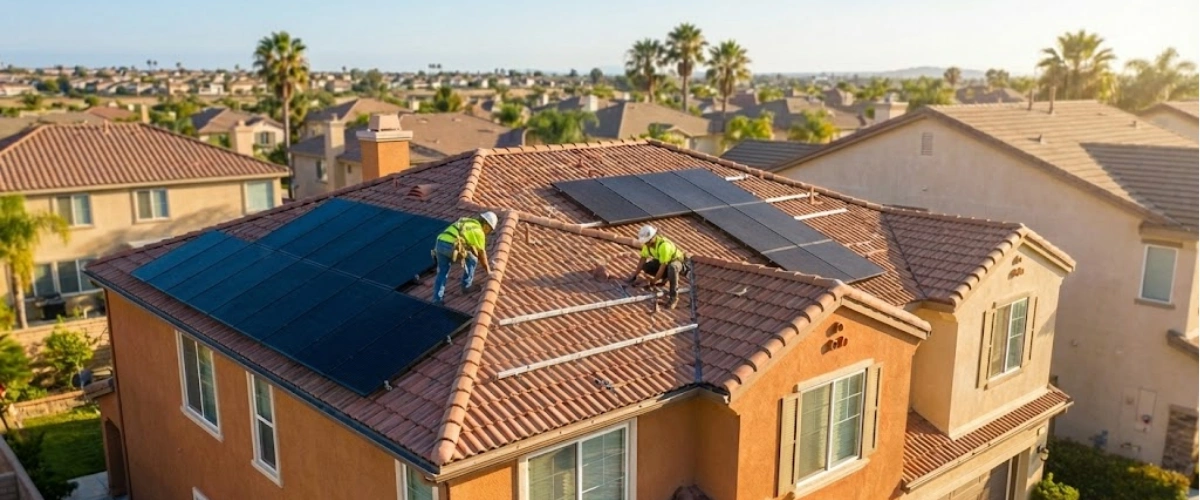
Tile roofs require more careful work than composition shingles.
Weather impacts scheduling. California's generally sunny weather helps, but installers can't work safely in high winds or rain. A surprise storm can push your installation back a few days.
Crew size makes a difference. A team of 5-6 experienced installers can complete in two days what a 2-3 person crew might need four days to finish.
Curious about what happens during those installation days? Check out our detailed guide on what to expect during installation so you know exactly what's happening at each step.
Inspection and Permission to Operate (1-4 Weeks)
After installation completes, your system can't turn on yet. Two critical approvals must happen first.
The local building department conducts a final inspection to verify all work meets code requirements. They check electrical connections, grounding, conduit installation, and structural attachments. Most inspections happen within 1-2 weeks of installation, though scheduling can vary by jurisdiction.
Once the city approves the work, you need utility approval called Permission to Operate (PTO). Your utility company must verify the interconnection equipment and update your account for net metering. This process typically takes 1-3 weeks for SCE customers, though it can stretch to 4 weeks during high-volume periods.
Permission to Operate (PTO) can feel like the longest wait because your system is sitting on your roof, fully installed but not generating savings yet. The good news? Once you receive PTO, your system activates immediately and starts offsetting your electricity costs.
Industry Average vs. US Power Timeline
Let's put some realistic numbers on this. Based on current data from 2026, here's what homeowners across California are experiencing:
National Average Timeline: 90-120 days (3-4 months) from contract signing to system activation.
California Average Timeline: 75-105 days, with significant variation by region. Urban areas with established solar infrastructure tend to move faster than rural areas with less solar experience.
US Power Average Timeline: 21-42 days (3-6 weeks) from contract to PTO.
What makes US Power's timeline 50-60% faster than the industry average?
Streamlined Permitting Process
US Power's in-house permitting specialists maintain relationships with AHJs throughout Southern California. They know each jurisdiction's specific requirements, preferred submission formats, and common rejection triggers.
Rather than learning through trial and error on your project, they submit permit-ready applications the first time. This eliminates the resubmission delays that plague many solar installations.
Priority Equipment Access
Being QCells' #1 installer in California provides guaranteed panel availability. While other installers might discover a 3-week equipment backorder after receiving permits, US Power's systems are typically ready for installation within days of permit approval.
Learn more about how US Power delivers solar faster than competitors through their optimized supply chain and installation processes.
Experienced Installation Teams
US Power's installation crews complete multiple systems weekly. This repetition creates efficiency without sacrificing quality. They know exactly how long each phase takes, what potential issues to watch for, and how to coordinate the workflow for maximum speed.
Compare this to installers who might only complete a few systems per month. Experience translates directly to faster, smoother installations.
Proactive Communication
Nothing delays a project faster than communication breakdowns. US Power assigns each customer a dedicated project coordinator who manages every phase from permit submission through PTO approval.
You're not wondering what's happening or when the next step occurs. Your coordinator keeps you updated on permit status, schedules installation dates as soon as approvals come through, and handles all utility coordination.
Does Panel Quality Affect Installation Speed?
Here's something most homeowners don't consider: the panels themselves can impact your installation timeline.
Lower-tier panels sometimes arrive with quality control issues—damaged frames, faulty junction boxes, or cosmetic defects. Installers discover these problems during installation, requiring emergency replacements that push completion back days or weeks.
US Power exclusively installs QCells solar panels, which are manufactured in American facilities with rigorous quality control. Installers rarely encounter defective panels, keeping projects on schedule.
QCells panels also feature standardized specifications and mounting systems. Installation crews work with the same panel models repeatedly, developing efficiency that speeds up the physical installation phase.
Large System Considerations
If you're planning a larger installation like that 57-panel system, a few additional factors affect your timeline:
Structural engineering might be required. Systems exceeding certain weights or spanning large roof sections may need stamped structural calculations from a licensed engineer. This adds 1-2 weeks to the permitting phase but ensures your roof can safely support the system for decades.
Electrical upgrades become more common. Larger systems produce more power, which sometimes requires main panel upgrades or meter collar installations. If your home has a 100-amp panel and you're installing a 15kW system, expect to add panel upgrade time to your project.
Battery integration adds complexity. Most large systems in California now include battery storage due to NEM 3.0 economics. Battery installations add 1-2 days to the physical installation and may require additional inspections.
The good news? US Power identifies all these requirements during the initial site assessment. You know about necessary upgrades before signing a contract, not after permits are approved.
What Can Delay Your Installation?
Understanding potential delays helps you plan realistically and avoid surprises. Here are the most common timeline killers:
Incomplete or inaccurate paperwork. If your initial application contains errors or missing information, permits get rejected and resubmitted. This can add 2-4 weeks. Choose an installer who gets paperwork right the first time.
Roof condition issues. If inspectors discover your roof needs repairs during the site assessment, you'll need to complete those repairs before installation proceeds. Budget for potential roof work if your shingles are over 15 years old.
Utility interconnection delays. While SCE and other Southern California utilities typically process PTO within 2-3 weeks, high-volume periods can extend this to 4-6 weeks. Unfortunately, this phase is largely outside your installer's control.
Supply chain disruptions. While less common in 2026 than in previous years, occasional equipment shortages can delay projects. Working with installers who maintain inventory relationships minimizes this risk.
Weather events. California's generally favorable weather helps, but unexpected storms or extreme heat warnings can pause installation work for safety reasons.
HOA approval requirements. If you live in an HOA community, factor in time for architectural review committee approval. California law prevents HOAs from unreasonably denying solar installations, but the approval process can add 2-4 weeks.
For more details on navigating the full solar installation timeline in California, including how to prepare for each phase, check out our comprehensive guide.
Making Your Timeline Realistic
When evaluating installers, ask specific timeline questions:
"What's your average time from contract to PTO?" Get actual numbers, not vague estimates. Companies that consistently complete projects should have data.
"How do you handle permitting delays?" The answer reveals whether they have established relationships with local jurisdictions or are learning as they go.
"What happens if equipment is backordered?" Quality installers have backup suppliers or maintain inventory to prevent delays.
"Who coordinates my project?" Dedicated project managers prevent communication gaps that extend timelines.
"What's your installation crew size?" Larger crews generally complete installations faster, though quality matters more than speed.
Don't just accept the fastest timeline promise. A realistic estimate from an experienced installer is better than an optimistic guess from someone who hasn't accounted for potential delays.
Your Southern California Advantage
Southern California homeowners benefit from solar-friendly infrastructure that speeds up installations compared to other regions:
Permitting offices have streamlined processes after handling thousands of solar applications. Utility companies have established interconnection procedures. Building inspectors understand solar systems and complete reviews efficiently.
The region's established solar industry means contractors, electricians, and roofers familiar with solar work are readily available for any necessary repairs or upgrades.
Plus, favorable weather allows year-round installation scheduling. You're not limited to summer months like homeowners in regions with harsh winters.
The Truth About Installation Timelines
Yes, installing 57 solar panels in three days is absolutely achievable with an experienced crew and proper preparation. But that impressive installation speed represents just one phase of a multi-step process.
For Southern California homeowners, realistic timelines range from 3-6 weeks with efficient installers like US Power to 3-4 months with the industry average. The difference lies in permitting expertise, equipment access, installation experience, and project coordination.
The key is choosing an installer who's honest about realistic timelines while having the systems in place to move your project through each phase efficiently.
Frequently Asked Questions
How Long Does a Solar Installation Take Once Permits Are Approved?
Can I Speed Up My Solar Installation Timeline?
What's the Longest Phase of Solar Installation?
Does Adding Battery Storage Slow Down Installation?
What Happens If There Are Delays During Installation?


What Happens If Your Solar Installation Misses the Dec 31 Deadline?
Your home solar project delayed? Here's what to do before the deadline passes.

Read This First Before Buying Solar Panels Yourself
Before you buy solar, get the facts and save more with expert installation.
3 Things to Do Before Your Solar Consultation
Prepare effectively for your solar consultation with these essential steps.








Copyright © 2025 US Power - Axia by QCells. All Rights Reserved.

Get an instant solar estimate using satellite!