



Can You Go Solar Without a Lien on Your House in California?
Confused about solar liens and UCC-1 filings? Most homeowners don't realize there's a huge difference between a property lien and equipment financing. Here's what you actually need to know before going solar in 2026.
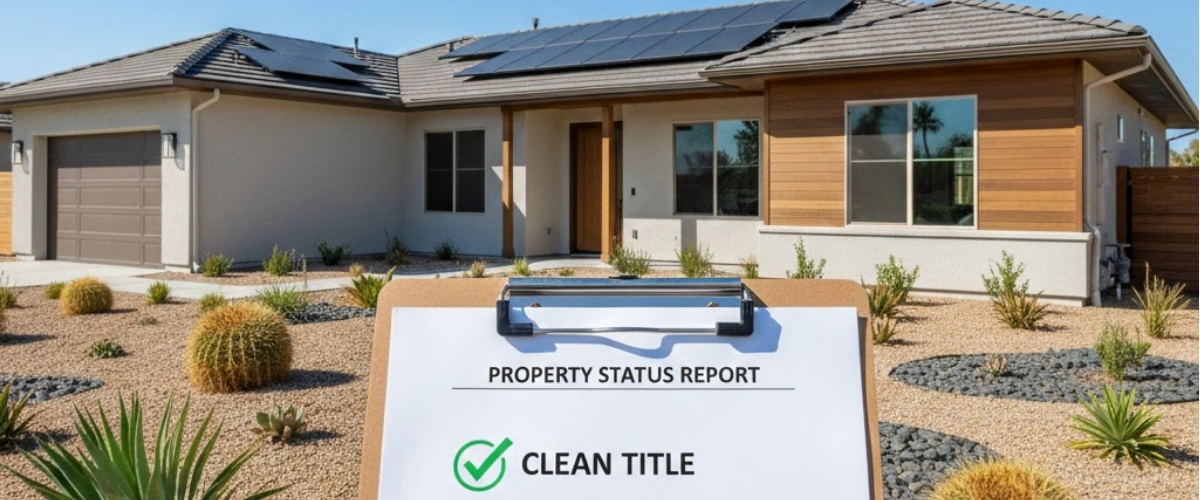
You've heard the warnings. A neighbor mentioned a "lien on their house" after going solar. A sales rep casually dropped "UCC-1 filing" into the conversation. Now you're wondering if solar panels mean giving up control of your home.
Here's the truth: yes, you can absolutely go solar without putting a lien on your house. But you need to understand what's actually happening with different financing options.
The Confusion: UCC-1 Filings vs. Property Liens
A UCC-1 financing statement is not a property lien, but they get lumped together constantly. Think of leasing a car—the lender files paperwork showing they own the vehicle until you finish paying. That's what a UCC-1 does for solar panels: a public notice saying
"this equipment belongs to the solar company, not the homeowner."
What It Actually Means
The filing is on the solar equipment only—not your house or land. Your home title remains clean. It's like having a water heater rental agreement; the equipment isn't yours, but your property ownership isn't affected.
The problem? During home sales or refinancing, some lenders see "UCC-1 filing" on a title search and panic, mistaking it for a property lien. This creates delays even though the filing shouldn't legally stop your transaction.
Cash, Loan, or Lease: Which Option Avoids a Lien?
Cash Purchase: Zero Filings, Maximum Simplicity
Pay cash, own the system outright. No UCC-1, no equipment lien, no complications.
Why it works: The system becomes part of your property like a new roof. Nothing gets filed because there's no debt. You qualify for all incentives (though the 30% federal credit expired December 31, 2025) and get the highest long-term ROI.
The catch: Requires $25,000-$40,000 upfront for most Southern California homes.
Solar Loans: Ownership Without the Big Check
Solar loans spread payments over 10-25 years while you own the system from day one. Here's the key: not all solar loans require a UCC-1 filing.
Secured loans (with UCC-1): Filing on equipment only, removed when paid off. Can be temporarily released for refinancing ($150-250 fee).
Unsecured loans (no UCC-1): Cleaner title, but higher interest rates (8-12% vs. 4-7%) since lenders take more risk.
Either way, you own the asset and control your energy future. When comparing solar financing options in Southern California, ask directly whether a UCC-1 filing is required. The choice between buying or leasing solar panels comes down to who controls the asset generating your electricity.
Solar Leases and PPAs: Where Problems Start
With leases or Power Purchase Agreements, you don't own the panels—a third-party does. They install the system, and you pay monthly (lease) or per kilowatt-hour (PPA).
These always involve UCC-1 filings because the company owns $30,000+ of equipment on your roof.
The real problems:
- 20-25 year contracts that "follow the house"
- Buyers must qualify and assume your lease
- Early buyouts cost $15,000-$25,000
- Annual escalators increase payments 2-3%
- You don't get tax credits or incentives
- Homes with leases sell slower and for less
Yes, the UCC-1 technically isn't a "property lien." But when buyers see it during title search, many walk away rather than assume two decades of solar payments.
What Happens When You Sell Your Home?
Owned Systems: The Easy Path
Solar ownership makes your home more attractive. Homes with owned solar sell 13% faster and for 4-6% more because buyers inherit lower electricity bills with no monthly solar payments.
No active UCC-1 means clean title. The system is part of the home like HVAC or appliances. Selling your home with solar becomes straightforward when you own the equipment.
Active Solar Loans: Manageable Options
Three choices when selling:
- Pay off at closing using sale proceeds
- Transfer the loan (rare, lender-dependent)
- Negotiate the balance into sale price
The UCC-1 release takes 2-4 weeks, so smart sellers initiate this when accepting an offer to avoid closing delays.
Leases and PPAs: The Complication
Buyers must either assume the lease (and qualify with the solar company), buy it out ($15,000-$25,000), or walk away. Southern California agents report homes with leases sit 20-30% longer on market. Many buyers filter out listings mentioning solar leases entirely.
Why US Power's Ownership Model Solves the Lien Problem
At US Power, we don't offer leases or PPAs. Period. We've seen too many Southern California homeowners trapped in 25-year contracts that complicate their lives.
Factory-Direct QCells: As California's #1 QCells installer, our factory-direct QCells pricing is 15-20% below market. American-made panels, no middlemen.
Flexible Financing: We partner with Southern California credit unions offering competitive rates—many requiring no UCC-1 filing.
CSLB-Licensed Consultants: Our team knows California codes, utility requirements, and exactly what affects your title.
25-Year Warranty: Panels, workmanship, performance—all covered.
When choosing a solar company in Southern California, ask if they offer leases. If yes, their model depends on long-term contracts that may not serve your interests. Ownership means control—you can add batteries, expand capacity, or move without permission. That's why owning beats leasing every time.
Should You Add Battery Storage?
Under NEM 3.0 (effective April 2023), solar-only systems don't save as much as before. Batteries are now essential because you:
- Store excess generation instead of selling at reduced rates
- Avoid peak costs (4-9 PM when SCE charges 3-4x more)
- Have backup during outages and PSPS events
Batteries financed with your solar system = one filing on combined equipment. US Power's integrated solar + battery designs ensure solar batteries maximize your savings under NEM 3.0's economics.
Your Next Steps: Going Solar Without Title Complications
1. Commit to Ownership: Choose cash or loan. Skip leases/PPAs unless you're certain you won't sell for 20+ years.
2. Ask About Filings: When comparing lenders, ask directly: "Will this require a UCC-1 filing?" Get it in writing.
3. Review Contracts: Read the equipment ownership and security interest sections. If unclear, have an attorney review ($200-400).
4. Plan Ahead: If you might move within 10 years, factor in how your financing affects your sale.
5. Choose Transparency: Work with installers who explain exactly what gets filed and when it's released. There are many things you must know before going solar in California—title documentation is critical.
Make the Smart Choice for Your Home
You can absolutely go solar without a lien—choose financing that gives you ownership and control, not a 25-year lease complicating everything.
US Power has helped thousands of Southern California homeowners switch to clean energy without title complications. Our factory-direct QCells partnership delivers premium American-made panels at prices making ownership the obvious choice.
SCE rates have increased 32% since 2014. Every month you wait is another month paying inflated bills instead of investing in an asset you own.
The system you install today will generate electricity in 2050. Make sure you own it.
Frequently Asked Questions
Will solar panels put a lien on my house in California?
Can I refinance my house if I have solar with a UCC-1 filing?
Do solar leases prevent me from selling my home?
What's the difference between a UCC-1 and a property lien?
How long does it take to remove a UCC-1 filing after paying off solar?


Why Small Solar Systems Can Cost You More in the Long Run
Choosing the right solar system with US Power prevents costly energy mistakes.

Why Solar Panels Alone Aren't Enough in 2025
Panels need storage and smart tech to meet rising energy needs and grid demands.
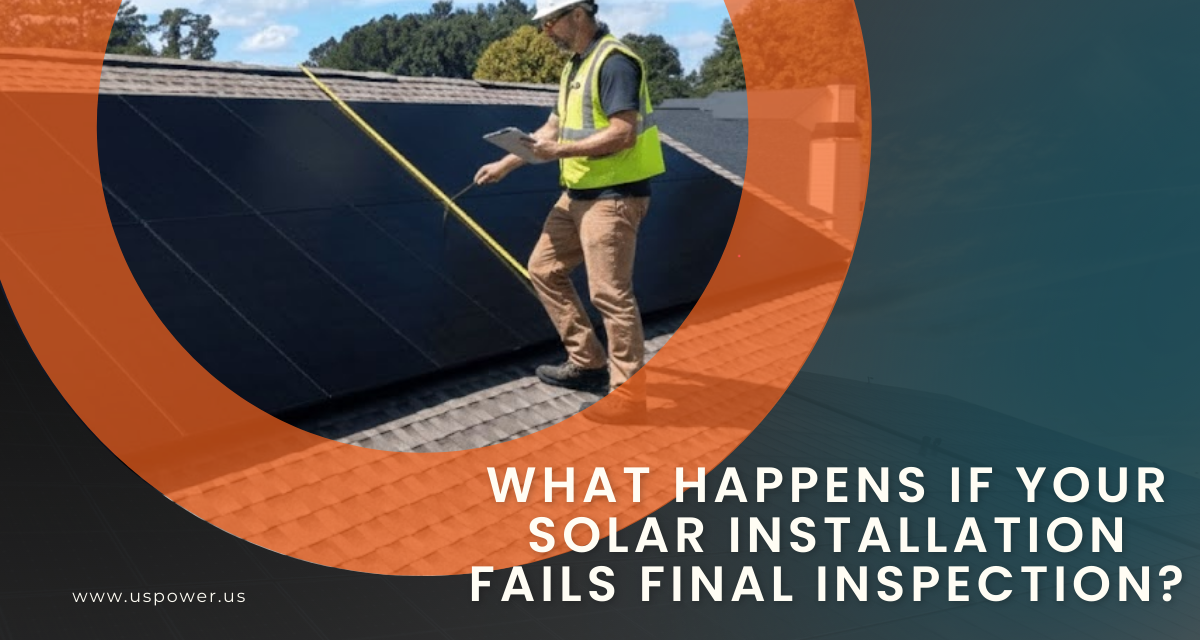
What Happens If Your Solar Installation Fails Final Inspection?
Learn why solar installations fail final inspection and how to protect yourself.







Copyright © 2025 US Power - Axia by QCells. All Rights Reserved.

Get an instant solar estimate using satellite!