




How Much Does It Cost to Install Solar Panels for a 1600 Sq Ft Home?

Planning solar for your 1,600 sq ft home? See cost ranges, incentives, and tips to cut energy bills and future-proof your home through US Power.
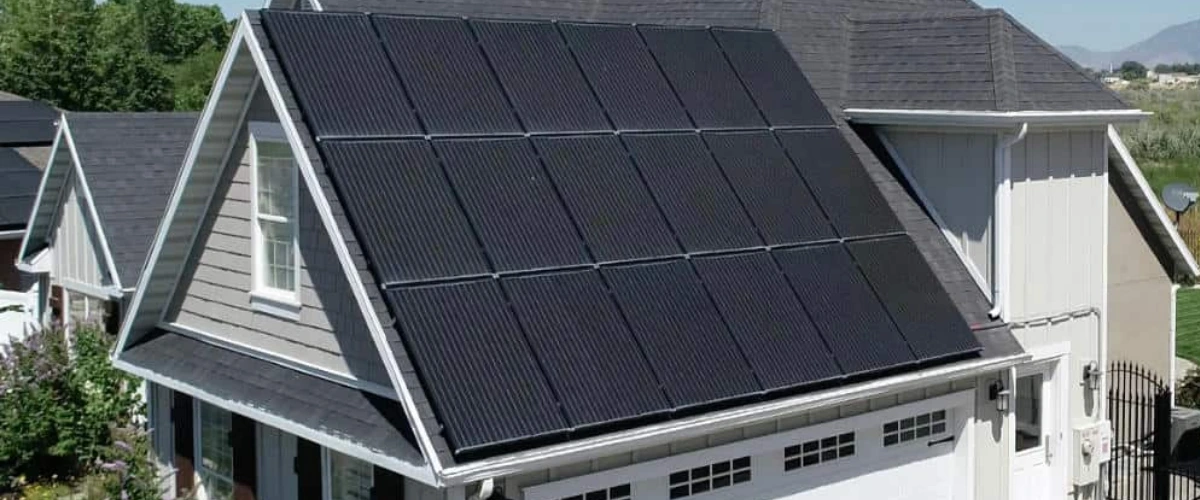
If you’re building or buying a 1,600 sq ft home and dreaming of running everything on electricity — HVAC or heat pump, electric water heater, stove/oven, fireplace, lighting, appliances, maybe even an EV charger — you’re probably asking: What’s the cost to install a solar panel system that powers it all?
That’s a smart question. Between rising utility bills, uncertain future rate hikes, and changing grid policies, installing a home solar system now could lock in predictable, lower energy costs — maybe even zero out your electric bills. But what does “go solar” really cost in 2025, and what should you expect for a house your size?
In this post you’ll learn:
- What “whole-house solar power” means in real terms
- The average cost to install solar panels (and what drives that cost)
- Cost ranges for a system sized for a typical 1,600 sq ft home
- What incentives, credits, and savings you can count on now
- What to watch out for — and how to design your home to get the most out of solar
What “Whole-House Solar” Means for a 1,600 Sq Ft Home
When you say “I want solar to power everything,” you’re typically aiming to:
- Cover all the electricity loads — AC/heating, water heating, cooking, lighting, appliances, electronics, possibly EV charging in the future.
- Offset your annual electricity consumption in kWh, so utility bills shrink or vanish over time.
- Possibly add battery storage to shift power use (e.g., use solar at night, survive outages) or optimize for new rate plans.
Because usage, climate, roof orientation, and appliance efficiency vary, the required system size can shift. But for a 1,600 sq ft all-electric home in sunny Southern California, you’ll likely need a system in the ballpark of 7–10 kW — depending on how efficient the home is and how much electricity you use.
That aligns with typical estimates for homes of similar size and usage.
What Does Solar Panel Installation Cost in California (2025)
Here’s where things stand in California in late 2025:
- Installed solar panel systems typically run about $2.40 to $3.25 per watt before incentives.
- This means a 5 kW solar panel system (common baseline) would cost ≈ $12,500–$17,300 before incentives.
- After the federal solar tax credit (30 % ITC), the net cost drops to roughly $8,750–$12,100.
Because your home is larger and fully electric, you’ll probably need something bigger than 5 kW — maybe 7–10 kW. Scaling up, a system in the 8–10 kW range might run somewhere between $20,000 and $34,000 before incentives, which after the 30 % federal tax credit brings it down to roughly $14,000–$24,000.
California remains one of the best states for home solar thanks to abundant sunshine, competitive installer pricing, and available incentives.
What a Rough Budget Looks Like for Your 1,600 Sq Ft Home
Here’s a simplified table modeling what you might expect to pay and what you might get:
These are ballpark figures. Actual solar system cost depends heavily on roof geometry, orientation, shading, local installer rates, demand, and whether you add battery storage.
What Drives Solar Panel System Cost — And How You Can Influence It
Several factors affect solar panels cost for your home:
- System size (kW): Bigger system = higher upfront cost, but usually lower panel cost per watt.
- Quality of equipment (panels, inverters): Premium solar panels and reliable inverters last longer and maintain efficiency — worth paying a bit more.
- Roof complexity, orientation, shading, and permit/installation difficulty: Simple, south-facing, unobstructed roofs are cheapest and most efficient.
- Permits, inspections, labor, mounting hardware, wiring, interconnection costs. These “soft costs” can vary widely.
- Optional extras: battery backup, EV-ready wiring, higher-capacity inverters, energy-efficient upgrades — all these add to cost, but also add value.
Because you control much of this at home-planning or build stage (roof orientation, appliance choices, wiring plan), designing with home solar panels in mind can push your panel system cost lower and performance higher.
Why 2025 Is A Especially Good Time to Install — Incentives & Savings Are Real
Federal Solar Tax Credit (ITC) — 30%
For systems installed by December 31, 2025, homeowners can still claim a 30 % credit against federal income taxes. This brings down home solar panel system costs significantly — often by several thousand dollars.
Long-Term Savings on Electric Bills
With high electricity rates in California and abundant sunshine, many homeowners save $1,500–$2,500 annually on their electric bills after going solar. Over 20–25 years, those savings add up — sometimes to tens of thousands of dollars.
That’s real money back — and reduces or even eliminates your monthly utility bills for decades.
Optional Battery Storage + Future-Proofing
If you add solar battery storage, you gain:
- Energy self-reliance (power at night, during outages)
- Ability to shift consumption to avoid peak rates
- Resilience — especially useful if you live in areas with frequent outages or high electricity demand.
Some state incentives and rebate programs may help reduce battery costs further (depending on your location), but even without them the long-term value can be strong — especially if electricity rates keep climbing.
How to Plan Your Future 1,600‑Sq Ft Home for Solar Success
Since you’re planning for the future, you can design now for maximum home solar panel performance:
- Orient roof planes south (or south-west/south-east) — maximizes solar exposure.
- Minimize roof obstructions — avoid unnecessary vents, skylights, chimneys on prime sun-facing surfaces.
- Choose efficient appliances & insulation — heat-pump HVAC, efficient water heater, induction stove/oven, good insulation, LED lighting. The more efficient your home, the smaller the solar system you need.
- Design wiring and electric load capacity with future expansion in mind — EV charging, battery storage, additional solar panels.
- Select high-quality, reputable solar panels and solar-system equipment — premium panels degrade slower and maintain output better over 25+ years.
Good design today = lower cost solar panels system tomorrow + better long-term savings + fewer headaches.
Rough Example Scenario — What You Might Pay (and Get)
Let’s imagine a realistic scenario for your 1,600‑sq ft all-electric home in Southern California in late 2025:
- 8 kW solar panel system (enough for most household loads)
- Installed at average California rates: ~$2.75–$3.15/watt → ~$22,000–$25,000 before incentives
- Federal solar tax credit (30 %) applied → net cost ~$15,400–$17,500
- If you later add battery storage (for backup or to shift nighttime loads), you may pay extra — but rebates or incentives may offset some of that.
With this setup: you could significantly reduce or even eliminate your electric bills, lock in stable energy costs, and run virtually all your home’s power needs on clean solar energy for decades.
What Could Cause Costs to Climb — And What to Watch Out For
- Roof limitations — if your roof is shaded, poorly oriented, small, or heavily obstructed, you may need more panels (bigger system), raising costs.
- High energy usage or future loads (EV charging, lots of AC use, older inefficient appliances) — may push you to 9–12 kW systems instead of 7–8 kW.
- Battery storage, backup system, or heavy-duty inverters — add cost, though add value.
- Permitting, inspections, interconnection, structural reinforcements — soft costs vary by city and utility policies.
- Installer quality, panel quality, workmanship, hidden fees — choosing low-cost installers can backfire if they cut corners or offer poor warranties.
Many of these variables are under your control, especially if you’re building or buying a home now.
Is a Solar Panel System a Smart Investment for Your Future?
Yes — in 2025, installing solar panels (and building with solar in mind) for a 1,600 sq ft all-electric home in California is more realistic and cost-effective than ever. With average system costs between $14,000 and $24,000 after tax credits, common long-term savings of $1,500–$2,500 per year, and the potential for decades of low-to-zero utility bills, solar is a high-value investment if done intelligently.
By designing smart (roof orientation, efficient appliances, future-proof wiring), choosing high-quality QCells solar panels through US Power’s exclusive factory-direct partnership, and leveraging current incentives and tax credits, you can build a home that not only feels modern and comfortable — but whose energy costs are locked in and potentially very low for decades.
US Power makes it easy to go solar. We provide complete home solar panel system installation, including site design, permitting, battery storage integration, and long-term warranty protection — all at factory-direct pricing.
Ready to lock in your energy savings?
Schedule for a free custom solar quote and see exactly how much you can save.
Frequently Asked Questions
How much do solar panels for a house cost?
The cost of a home solar panel system depends on size, equipment quality, and installation. For a 1,600 sq ft all-electric home in California, 2025 prices range from $14,000–$24,000 after the 30% federal solar tax credit. Battery storage or larger systems may increase costs.
Do solar panels increase house value?
Yes. Homes with solar panels typically sell faster and for higher prices. Installing solar can boost your property value, attract buyers, and reduce long-term energy costs.
What are the best solar panels for houses?
Premium panels like QCells and REC are top choices for efficiency, longevity, and reliability. Factory-direct options like QCells via US Power often provide better pricing and warranties.
Are solar panels worth it in 2026?
Absolutely. With rising electricity rates, abundant California sunshine, and federal/state incentives, solar panels can save $1,500–$2,500 per year, paying for themselves in 5–10 years.
How many solar panels does a typical house need?
System size depends on electricity usage, roof space, and efficiency. A 1,600 sq ft all-electric home usually needs 7–10 kW, which is roughly 18–25 panels, to cover most energy needs and future EV charging.
Frequently Asked Questions


Flat Roof Solar Installation Made Easy with Ballast Systems
The 2025 guide to solar ballast systems for California flat roofs. Talk to an expert!

Do Solar Panels Still Save Money on Cloudy Days?
Learn how solar panels generate savings even when skies are gray and cloudy.
AC vs DC Power in Solar: A California Homeowner’s Guide
Understand AC vs DC power and how it drives reliable solar energy in California.








Derechos de autor © 2025 US POWER | Energía solar y techosUS Power - Axia by QCells. All Rights Reserved.

¡Obtenga una estimación solar instantánea usando el satélite!