



Is Solar Worth It in 2025 for PG&E Customers?
Avoid long payback periods with a well-sized solar + battery system. Maximize self-consumption, reduce peak usage, and take advantage of incentives.
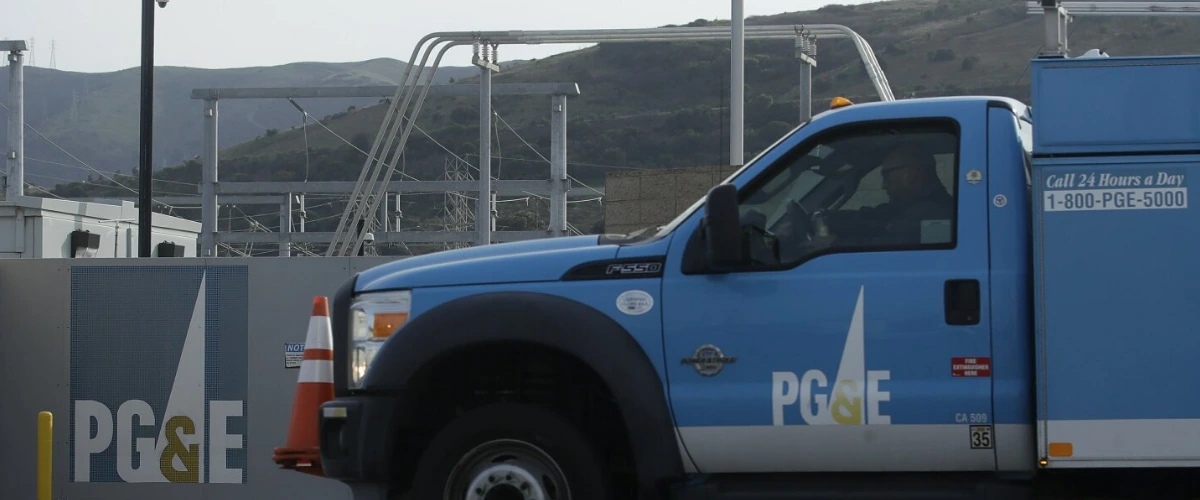
Short Answer? Yes — but only if solar panels are paired with battery storage and sized properly. Solar‑only systems face much longer payback under current PG&E rules. The new sweet spot: a balanced solar + battery setup tuned to your actual usage.
What Changed: PG&E, Solar & the New Net Billing Rules
Under previous solar policies (Net Energy Metering or “NEM 2.0”), homeowners could export excess solar energy to the grid and receive retail-rate credits (essentially 1‑to‑1 for what they “sent back”). That made solar‑only systems very attractive.
As of April 15, 2023, legacy NEM 2.0 interconnections were closed — new systems now fall under the newer Net Billing Tariff (NBT / NEM 3.0) rules.
Under NBT, excess solar exported to the grid is credited at a significantly lower “wholesale‑based” rate rather than full retail. That means you get less value for surplus generation.
Additionally, NBT requires customers with solar to be on a Time‑of‑Use (TOU) rate, such as E-ELEC for PG&E. Under E‑ELEC, electricity rates vary drastically by time of day — with low off-peak prices and high peak‑hour prices.
Bottom line: Without battery storage, a solar‑only system often produces more electricity than you use during the day — but exporting that surplus is no longer lucrative under NBT. That kills much of the earlier financial benefit of a standalone solar system.
Why Solar + Battery (Not Solar‑Only) Often Makes Sense — Even for PG&E Customers
Maximize Self‑Consumption, Minimize Waste
A home battery (or battery bank) lets you store midday solar production — when panels are generating power — and then use it later in the evening (when rates are highest), instead of sending it to the grid for cheap credit. This avoids exporting to the grid under low wholesale‑credit rates.
This approach — consuming your own solar energy rather than relying on exports — is key to making solar pay off under NBT. See our guide on how solar batteries can maximize your savings.
TOU Rates Favor Self‑Powered Homes
Under TOU (e.g. E‑ELEC), electricity prices are low during off‑peak hours and high during peak hours. Solar + battery systems shift your usage so you rely on stored solar energy during peak pricing, reducing expensive grid draw.
With the right system design, you can significantly reduce — or nearly eliminate — peak‑hour grid consumption.
Long‑Term Savings Still Look Strong
According to 2025 analyses: although export credits dropped ~75%, high retail rates and abundant sunshine in California still make solar + storage financially attractive. Many homes can expect payback periods in the 5–9 year range (vs. 9–12 years or more for solar-only).
Over a 20‑year span, solar-plus-battery homeowners may save significantly more than solar-only or utility‑powered homes — especially as PG&E rates trend upward. See our post on how much money do solar panels save in 2025.
Incentives Still Help
Federal incentives (e.g. the 30% Investment Tax Credit/ITC) remain available — at least through 2025 — which lowers upfront costs for both panels and battery systems.
And state-level programs and rebates (for battery storage) can further improve ROI when available.
Why “Battery‑Only” (No Solar) Is Usually NOT the Best Strategy
A battery charged from the grid (even during off-peak hours) means you still pay for electricity — just at a cheaper rate. Over time, the savings usually don’t justify the extra cost of battery hardware.
According to several analyses, the cost per kWh for electricity from a solar + battery system (amortized over its life) still tends to be lower than typical PG&E retail rates — making solar + battery more cost-effective than battery-only.
Batteries shine when paired with solar: midday solar production offsets daytime use and charges batteries, which supply power during peak evening hours when grid electricity is most expensive. Without solar, batteries have to draw from the grid — reducing economic benefit.
So unless your home is already solar-equipped, “battery-only” rarely beats solar + battery in terms of long-term value.
How to Make Solar + Battery Work for PG&E Customers — Smart Design Guidelines
For PG&E homeowners exploring solar in 2025, the key is smart system design. Here’s what to aim for:
- Target 50–80 % average annual offset (not 100%) — Avoid massive overproduction that ends up exported at poor wholesale rates under NBT. Producing just enough to meet most daytime and evening load improves economics.
- Use battery storage sized for typical evening/night usage (not full backup) — Enough battery to cover evening peak demands — saves more than exporting. Full backup batteries are expensive and often unnecessary.
- Set your home on the correct TOU rate (e.g. E‑ELEC) — TOU rate structure is required under NBT. Off‑peak charging + evening discharge maximizes value.
- Prioritize high-quality, efficient solar panels (e.g. American‑made, factory-direct) — Maximizes daily solar yield; reduces installation and maintenance hassle over decades. See high-efficiency solar panels factory-direct pricing.
- Lock in incentives ASAP (federal tax credit, battery rebates, any local incentives) — Incentives partially offset upfront cost; delays can mean higher installer costs and lost rebates.
- Avoid over‑sizing system just to export to grid — Under NBT, export “credits” are significantly lower — over-sizing for exports rarely pays back.
In short: aim for a balanced, self-powered system rather than a “grid export maximizer.”
Why a High‑Quality Solar Installer (Like US Power) Matters — Especially Now
Because of the new NBT environment and required TOU‑rate structure, a solar installer needs deep utility-rate knowledge, custom system sizing, and accurate modeling to design a system that will actually pay off. Many quotes you receive may still be based on outdated assumptions (e.g. 1:1 export credits, NEM‑style returns). Mistakes like oversizing panels, ignoring battery demands, or failing to account for TOU rates can kill your ROI for 10–15 years — or worse.
US Power can help you maximize savings while navigating PG&E’s new rate structure.
Realistic Expectations in 2025 for PG&E Homes
Expect longer payback periods than solar‑only systems of the past — roughly 7 to 12 years, depending on system design, panel quality, and how much of your energy you self‑consume versus export.
Realize most of the value comes from self‑consumption and storage, not exporting surplus solar to the grid.
Understand that solar + storage is a hedge against rising electricity rates — and ensures more energy independence, especially with increasing threats of blackouts, grid instability, or higher peak rates.
Know that incentives matter more than ever. Taking advantage of federal tax credits and state rebates (while still available) can make the difference between a reasonable and a great return on investment.
Is Solar Worth It for PG&E Customers? Yes — But Only With Strategy
For PG&E customers today, “solar-only” is a risky bet. The economics under NBT and new TOU rates are not friendly to systems designed solely for grid export. However, a well-sized solar + battery system, built with quality components (like QCells panels) and optimized for self-consumption — especially evening and peak usage — can still deliver strong financial savings, long‑term energy independence, and predictable ROI.
If you want to avoid the pitfalls many homeowners face — overproduction, inefficiency, long payback periods — now is actually a good time to go solar. Work with a knowledgeable installer who understands PG&E’s complex rate schedules and can design a system tailored to your household’s energy habits.
Ready to see how much you could save?
Schedule a free, customized solar + battery analysis — and lock in factory‑direct pricing before incentives start to wind down.
Frequently Asked Questions


Confused by Solar Quotes? Choose the Right Solar Consultant
Simplify solar decisions and increase savings through US Power abnd Qcells solar prod

Solar in Winter? Keep Saving This Winter with Solar Power
Save even in winter—Qcells and US Power make solar efficiency a year-round benefit.
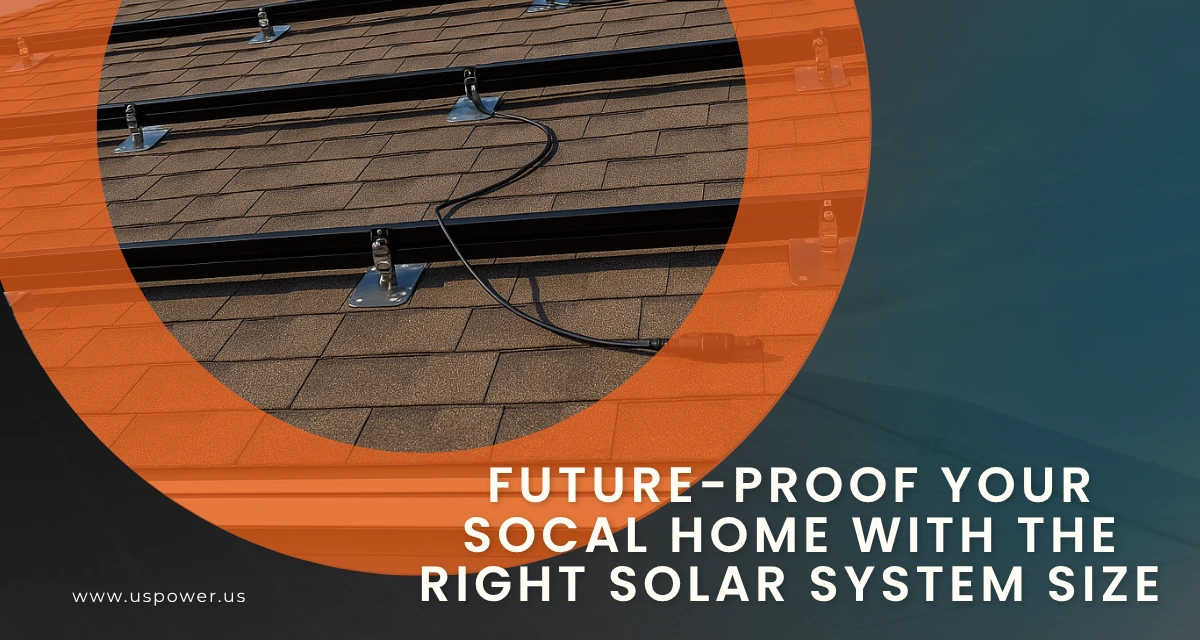
Future-Proof Your SoCal Home with the Right Solar System Size
PTO delayed into 2026? Your system may still qualify for 30% solar tax credit.







Derechos de autor © 2025 US POWER | Energía solar y techosUS Power - Axia by QCells. All Rights Reserved.

¡Obtenga una estimación solar instantánea usando el satélite!