



Is It Really Too Late to Go Solar for California Homeowners?
Upgrade your home with high-efficiency QCells panels through US Power. Reduce electricity bills, gain backup power, and enjoy long-term reliability.
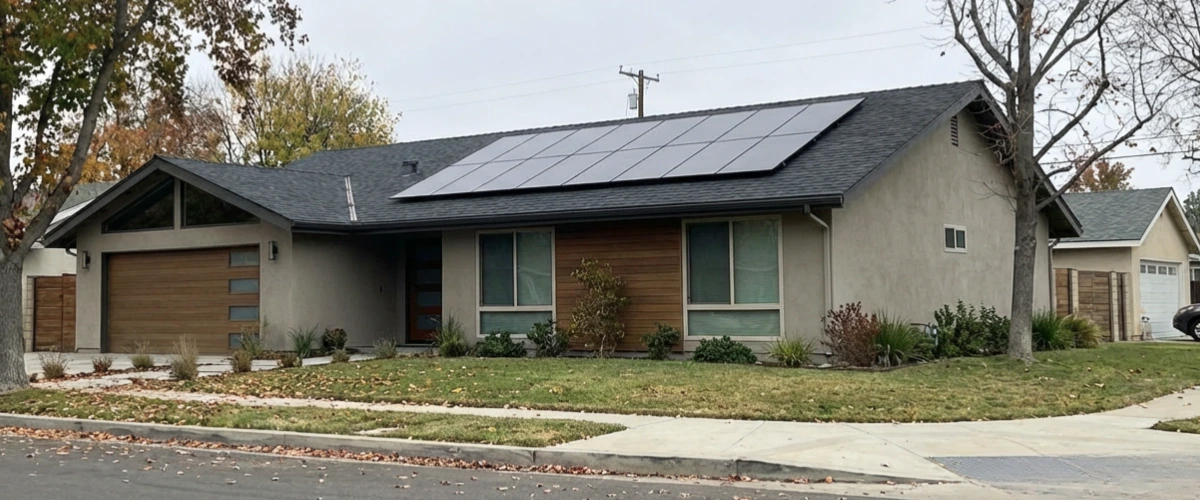
The question on every homeowner’s mind is: “Is it too late to go solar?” The short answer: not yet — but timing is critical. Rising energy costs, expiring tax incentives, and an increasingly strained electricity grid make 2025 a pivotal year to go solar in California.
This guide covers everything you need to know: how solar works, why battery storage is a game-changer, the latest industry trends, and how US Power’s solar solutions with premium QCells solar panels can maximize your savings and energy independence.
Why California Homeowners Are Rushing to Go Solar
In recent months, US solar installations have surged, with a 49% increase in overall installations in Q3 2025, according to industry reports. The demand is fueled by multiple factors:
- Federal and state incentives that reduce upfront costs.
- Rising electricity rates in California.
- Desire for energy independence, especially in areas prone to rolling blackouts and wildfire-related outages.
While commercial installations are leading the surge, residential solar remains critical for California homeowners who want to save on energy costs while contributing to a cleaner environment.
The reality: if you want to claim the 30% federal tax credit for your solar system, it must be installed and activated by December 31, 2025. That means the clock is ticking — installations typically take 10–16 weeks, depending on permitting and utility approvals.
Understanding Solar Panels and Solar Energy
Solar panels are the heart of any solar energy system. Here’s a simple breakdown for homeowners:
- Photovoltaic (PV) effect: Solar panels convert sunlight into electricity using semiconductor materials.
- Efficiency matters: Higher-efficiency panels generate more energy per square foot, crucial for homes with limited roof space.
- QCells Panels: US Power exclusively partners with QCells, offering factory-direct pricing on American-made panels that provide high efficiency, long-term durability, and reliable performance even in Southern California’s intense sun.
Why QCells Panels Stand Out
- Durability: QCells panels are designed to withstand high heat, strong winds, and occasional rain — perfect for Southern California’s climate.
- Performance Guarantee: QCells offers one of the most reliable production warranties, ensuring your panels maintain performance over decades.
- Exclusive Access Through US Power: Partnering with US Power means homeowners get factory-direct pricing, avoiding the markup typically added by middlemen.
The Role of Solar Inverters
Solar inverters convert the DC electricity generated by panels into AC electricity your home can use. There are two main types:
- String Inverters: Economical and efficient for homes with uniform sunlight exposure.
- Microinverters: Installed on each panel, optimizing performance even when some panels are shaded.
Choosing the right inverter is key to maximizing energy production and long-term savings.
Solar Battery Storage: A Game Changer for California Homes
Solar + battery solutions provide more than just energy savings:
- Backup Power: Keep essential appliances running during outages.
- Peak Rate Savings: Store energy when production is high and use it when rates spike.
- Energy Independence: Reduce reliance on the grid and take control of your home’s energy.
With US Power, homeowners can integrate QCells solar panels with advanced battery storage, creating a complete solar power solution that delivers cost savings, reliability, and peace of mind.
Installation Insights: What Homeowners Should Know
Installing a solar system involves multiple steps, and understanding the process can prevent delays:
- Site Assessment: Evaluating roof orientation, shading, and space.
- Permitting: Submitting plans to local authorities and securing approvals.
- Utility Coordination: Applying for net metering and arranging meter upgrades.
- Installation: Mounting panels, wiring the system, and connecting inverters.
- Inspection & Activation: Passing local inspections and turning on the system.
Tip for homeowners: US Power manages the entire process, ensuring code-compliant installation and handling all utility coordination — including any complex line-side or load-side taps — so you don’t have to worry about electrical mistakes or safety hazards.
Common Concerns About Solar Installation
Homeowners often express concerns about:
- Safety: Properly installed systems prevent fires, backfeed issues, or connector failures.
- Cost: Upfront expenses can be daunting, but financing options make solar accessible.
- Timing: Delays can jeopardize tax incentives if installations aren’t completed on time.
Financing Your Solar System
Many California homeowners are hesitant to go solar due to upfront costs, but there are options:
- Low-interest loans: Spread payments over time while saving on energy bills.
- PACE Financing: Pay for your system through property tax installments.
- Enfin Financing: Flexible payment plans designed for California homeowners, making it easier than ever to go solar without a large upfront investment.
Fact: Financing doesn’t just make solar more accessible — it allows you to start saving immediately, even while paying for your system.
Federal Tax Credit & State Incentives
- Federal Solar Investment Tax Credit (ITC): 30% off your system if installed by December 31, 2025.
- California Net Energy Metering (NEM): Get credit for the solar energy you send back to the grid.
- Local rebates: Some cities and utilities offer additional savings for solar + battery storage.
Timing is critical. Many homeowners are rushing to secure installations before the federal tax credit drops in 2026, so acting now can lock in substantial savings.
Market Trends and News
According to recent reports, US solar installations jumped 49% in Q3 2025. However, residential solar was slightly down due to supply chain constraints and policy changes. Despite this, demand remains strong:
- Commercial projects are driving growth, indicating corporate confidence in solar.
- Homeowners should act now to ensure availability and pricing before the rush slows installations.
- Utility changes may affect net metering policies in certain areas, making timely action even more critical.
The Cost of Waiting
Delaying solar installation can result in:
- Missed tax credits: Lose 30% savings on your system.
- Higher electricity bills: Energy rates continue to rise across California.
- Limited installation slots: Contractors are busier than ever, potentially delaying your project months.
Bottom line: the sooner you go solar, the more you save — both immediately and over the life of your system.
Environmental and Lifestyle Benefits
Switching to solar isn’t just financial — it’s environmental:
- Reduce Carbon Footprint: Each home solar system can offset several tons of CO₂ annually.
- Support Renewable Energy: Help California achieve climate goals and reduce reliance on fossil fuels.
- Peace of Mind: Know your energy comes from a clean, renewable source while maintaining reliability.
Step-by-Step Guide for Homeowners
Here’s a practical approach for going solar in Southern California:
- Evaluate Your Roof: Orientation, age, and shading.
- Assess Energy Needs: Review past electricity bills to determine system size.
- Get Multiple Quotes: Compare companies, but consider experience, warranty, and service — not just price.
- Check Incentives: Factor in federal, state, and local rebates.
- Review Warranties: Panels, inverters, and battery storage warranties are crucial.
- Schedule Installation Early: Aim for completion before December 31, 2025, to secure tax credits.
- Monitor System Performance: Use apps or monitoring tools to track energy production.
Real Homeowner Stories
Los Angeles, CA: The Johnson family installed QCells panels with battery storage in mid-2025. Their system:
- Monthly savings: $230 on electricity.
- Backup power: Entire home remained operational during a citywide blackout.
- ROI: Projected payback in 7 years with incentives applied.
Van Nuys, CA: Maria installed solar panels without battery storage due to budget constraints:
- Monthly savings: $180.
- Peak savings: Maximized use of net-metered energy.
- Environmental impact: Offset 6 tons of CO₂ annually.
These examples show the tangible benefits homeowners experience when they go solar.
Why US Power is the Right Choice
Choosing the right company makes all the difference:
- Exclusive QCells partnership: Access to factory-direct, American-made panels.
- Full-service installation: Handles permitting, inspections, and utility coordination.
- Battery storage solutions: Seamlessly integrate backup power with solar.
- Financial guidance: Assistance with tax credits, rebates, and financing.
- Customer-first approach: Ensures code compliance, safety, and long-term savings.
Your Next Steps to Solar Energy Solutions
Solar energy is no longer just an environmentally friendly choice — it’s a smart financial decision for California homeowners.
By acting now, you can:
- Claim the federal 30% tax credit
- Reduce electricity bills and reliance on the grid
- Protect your home from outages with battery storage
- Choose premium, American-made QCells panels with professional installation
US Power offers full-service, safe, and reliable solar solutions tailored to your home. Don’t wait — the time to go solar in California is now.
Schedule a free solar consultation with US Power today to go solar before the federal tax credit expires.
Frequently Asked Questions
Is it too late to go solar in California?
How long does installation take?
Can I finance my solar panels?
What are the benefits of solar panels with battery storage?
How do I choose the right solar company?


Solar Installation Timeline Explained for California Homeowners
Understand the steps and timing for a smooth home solar installation process.
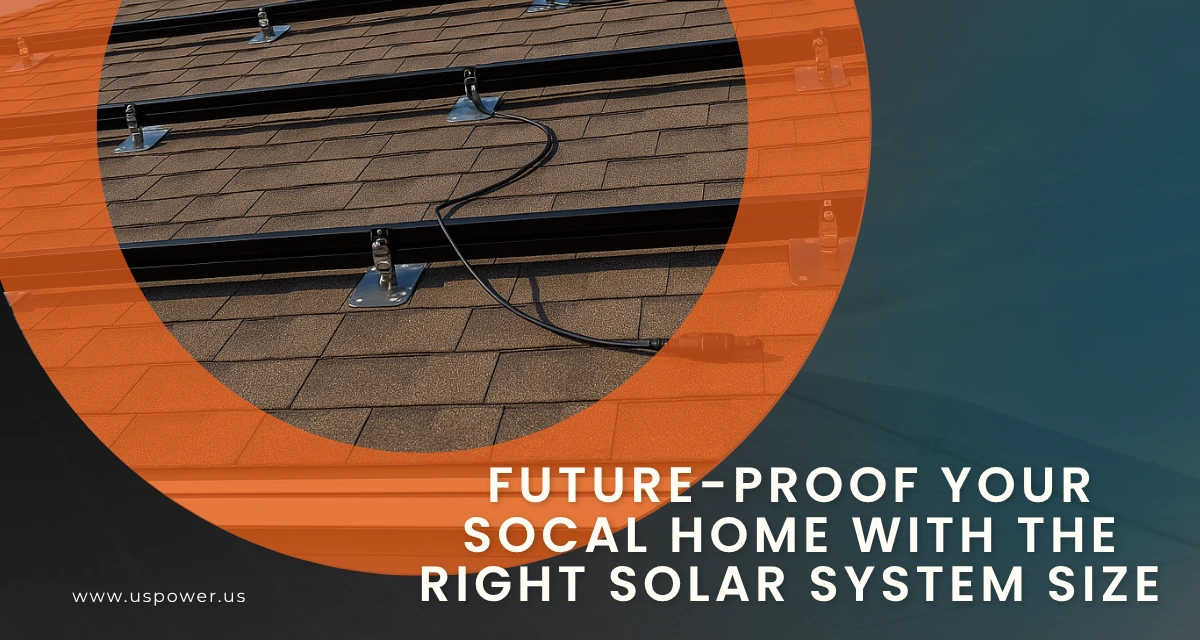
Future-Proof Your SoCal Home with the Right Solar System Size
PTO delayed into 2026? Your system may still qualify for 30% solar tax credit.

Should You Wait to Go Solar in 2026 or Act Now? | Market Analysis
The 2025 solar install rush is already over. So is waiting finally the smart move?







Derechos de autor © 2025 US POWER | Energía solar y techosUS Power - Axia by QCells. All Rights Reserved.

¡Obtenga una estimación solar instantánea usando el satélite!