




California Homeowners' Guide to Home Solar Panels

Installing home solar panels in Southern California reduces energy bills, increases home value, and offers clean, reliable energy for your family.
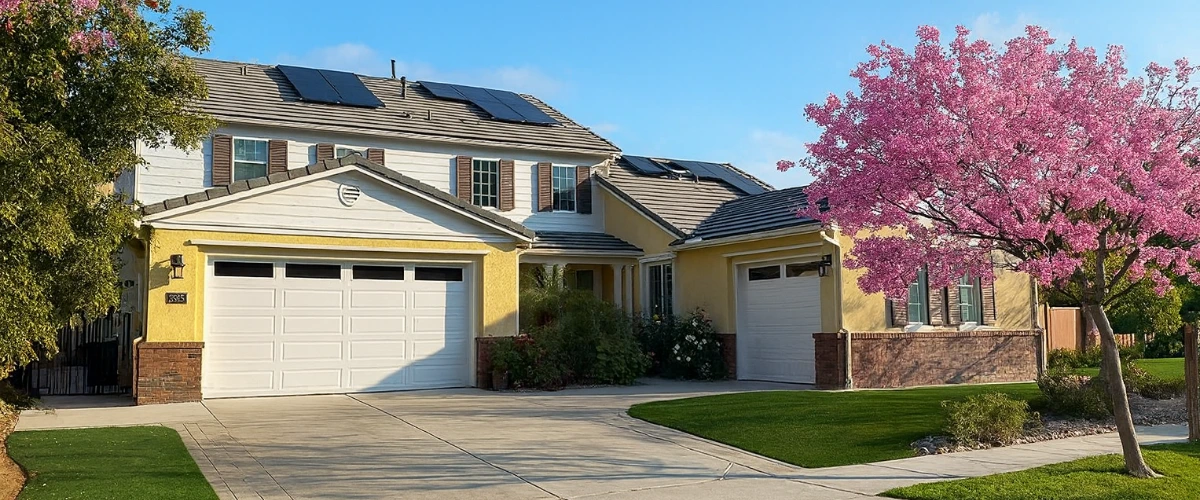
Installing solar panels on your California home isn’t just a trend—it’s a smart way to save on energy bills, increase your home’s value, and help the environment. With electricity costs rising and incentives available, more homeowners are exploring residential solar systems. This guide explains everything you need to know, from choosing panels to installation options, costs, and insurance.
How Solar Panels Work for Your House
Solar panels home systems capture sunlight and convert it into electricity that powers your house. A typical residential solar setup includes:
- Solar panels – the main component that generates electricity
- Inverter – converts solar power into electricity for your home
- Battery storage (optional) – stores excess energy for nighttime or outages
- Mounting hardware – secures the panels to your roof
A properly sized home solar system can cover most of your electricity usage. The number of panels house requires depends on your energy consumption, roof size, and sunlight exposure.
For more details on system sizing, see our Understanding Residential Solar System Sizes guide.
How to Size Solar Panels for Your House
One of the most common questions is: “How do I size solar panels for my house?”
- Review electricity usage – Check past bills to determine your average monthly kWh.
- Calculate system size – Divide your annual usage by the expected energy output of your panels.
- Pick the panels – For example, modern panels produce 370–420 watts each. Divide your system size by the panel wattage to estimate the number of panels home needs.
- Check roof space – Orientation, shading, and roof structure affect panel placement and efficiency.
You can also explore solar kits if you’re considering a DIY approach. Kits include panels, inverters, and mounting hardware, making it easier to plan your system.
How Much Solar Panels for a House Cost
Solar panels cost depends on system size, brand, and installation type. Southern California pricing (November 2025):
- Average 5 kW system: $14,000–$18,000 before incentives
- After federal and California rebates: up to 30–40% off
- DIY solar kits may reduce material costs, but professional installation ensures safety and compliance
Investing in solar panels home pays off in 5–8 years through energy savings, plus it increases property value.
DIY vs. Full-Service Installation
Homeowners often ask whether to buy components first or hire a full-service company.
- Full-service companies handle permits, installation, inspections, and utility connections. This ensures your system qualifies for all incentives.
- Buying panels and batteries first is possible for DIYers with construction experience. Bulk pricing can save money, but mistakes can be costly.
Pro tips for homeowners:
- Ensure your roof is in good condition; replacing a roof after installation is expensive.
- Check that your homeowner’s insurance covers solar panels house.
- Compare multiple quotes to avoid overpaying. See our guide on How to Choose a Solar Company in Los Angeles for trusted options.
Insurance and Roof Considerations
Are solar panels covered by house insurance?Yes, most policies cover solar panels home as part of your dwelling insurance. Confirm coverage for damage, theft, or roof issues.
Are solar panels heavy for the roof? Modern panels are lightweight—around 40 lbs each. Most roofs support them, but professional inspection is recommended.
Solar Incentives in California
Southern California homeowners have access to several incentives as of November 2025:
- Federal Solar Tax Credit – 30% of system cost (ending on December 31, 2025)
- California SGIP Battery Incentives – for eligible battery storage
- Net Energy Metering (NEM 3.0) – sell excess energy back to the grid for credits
These incentives reduce upfront panels cost significantly.
Learn more about Federal Solar Tax Credits Updated 2025.
Homeowner Tip: Best Approach in California
Should you hire a company or buy components first?
- Full-service installation is safest for most homeowners. It covers permits, installation, and utility interconnection.
- Buying panels and batteries separately can save money for DIYers with experience but must meet building codes.
- Insurance and roof condition matter: Ensure coverage and roof stability before installation.
Always get multiple quotes and review contracts carefully. Planning ahead protects your investment and avoids surprises.
Solar Panels for Your House in Southern California is a Smart Move
Installing solar panels house in Southern California in 2025 is a smart, long-term investment. Understanding system size, panels cost, installation options, and incentives ensures a smooth transition to solar energy. Whether you choose DIY solar kits or full-service installation, now is a great time to harness clean energy and save on electricity bills.
Investing in solar panels house in Southern California in 2025 isn’t just about going green—it’s about saving money, increasing your home’s value, and gaining energy independence. By understanding your system size, panels cost, installation options, and available incentives, you can confidently choose the right approach for your home.
Whether you go with a full-service installation or a DIY solar kit, now is the perfect time to take control of your energy bills. Start planning today and see how much you could save—plus enjoy the peace of mind that comes with clean, reliable solar energy powering your house.
Take the next step: Get a Personalized Solar Estimate, compare system options, and start your journey to lower energy costs and a greener future today.
Frequently Asked Questions About Home Solar Panels
How to get solar panels for house?
Contact a certified solar installer or company. Compare quotes and ensure your system qualifies for federal and state incentives.
How to size solar panels for house?
Review electricity usage, roof space, and panel wattage to determine the number of solar panels home you need.
Are solar panels covered by house insurance?
Yes, usually as part of your homeowner’s policy. Verify coverage specifics.
Are solar panels heavy for roof?
Modern panels are lightweight. A roof inspection ensures safety.
How much solar panels for house cost?
$14,000–$18,000 for an average 5 kW system before incentives. DIY solar kits may reduce material costs but require expertise.
Frequently Asked Questions


How to Calculate Solar Power System Size?
Get precise solar panel size estimates for your home by consulting to a solar expert.
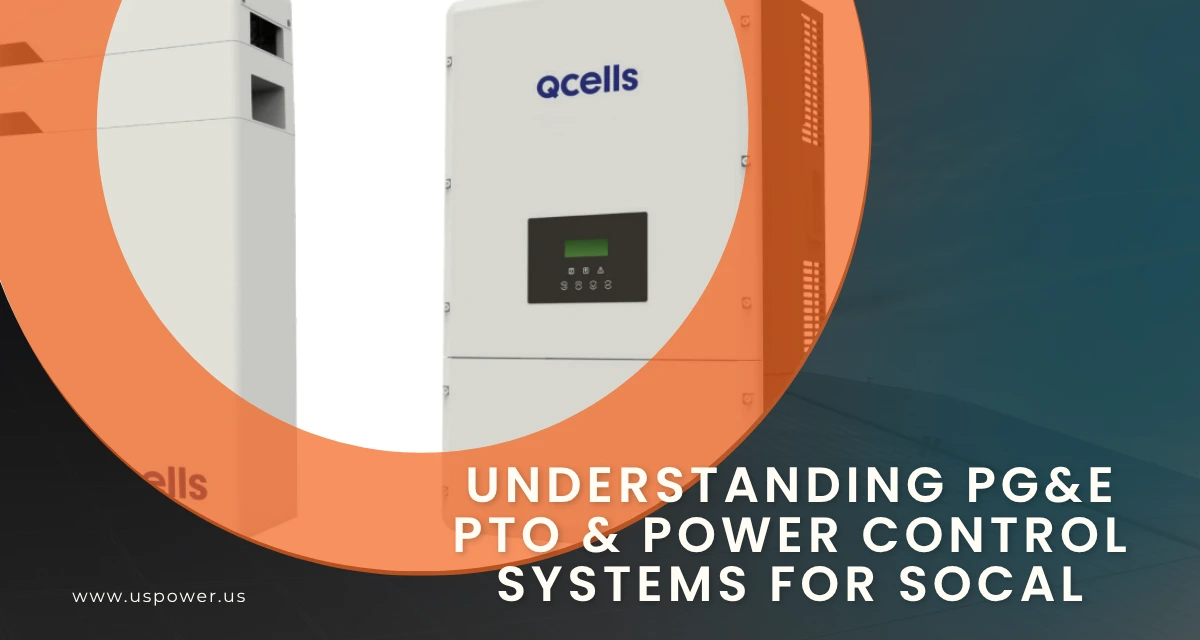
Understanding PG&E PTO & Power Control Systems for SoCal
Get PTO approval faster and save with a PCS-certified system through US Power.
Is Solar Only Enough? The Case for Adding Battery in California
Combine solar with storage to protect against outages and rising energy costs.








Derechos de autor © 2025 US POWER | Energía solar y techosUS Power - Axia by QCells. All Rights Reserved.

¡Obtenga una estimación solar instantánea usando el satélite!