



Your guide to solar panel roof mounts in 2025
Maximize your solar investment with the right roof mounts. Learn about fixed, adjustable, ballasted, and rack-based systems for Southern California homes.

As homeowners and businesses increasingly turn to solar energy, understanding solar panel roof mounts has become essential. Whether you’re installing a residential solar system on your home or exploring commercial solar options, the type of panel mounts and mounting systems you choose can directly impact performance, durability, and energy savings. This guide walks you through everything you need to know about solar panel mounting, roof types, and installation considerations in 2025.
How Solar Panels Affect Roof Heat
While most people focus on energy generation, solar panels also impact your roof’s temperature. By shading your roof, a properly installed solar panel roof system can reduce heat transfer to your attic and living spaces. This shading effect is particularly useful in hot climates like Southern California, where rooftop temperatures can soar in the summer.
- Panels absorb sunlight for energy: Commercial solar panels typically convert around 25% of sunlight into electricity. The remaining energy is either reflected or absorbed as heat.
- Airflow matters: Installing solar panels several inches above the roof allows airflow under the panels, reducing heat buildup. This is where rack-based mounts and roof mount systems shine.
- Partial vs. full coverage: Covering the entire roof or significant sections can improve cooling benefits, but even partial shading contributes to a lower roof temperature.
While solar panels alone can help, the most effective roof cooling comes when combined with insulation and ventilation improvements.
Types of Solar Panel Mounts
Choosing the right panel mounts is critical for both residential and commercial solar systems. The wrong type of solar panel mounting system can lead to inefficiencies, roof damage, or costly repairs. Here are the main types:
1. Fixed Roof Mounts
Description: Panels are attached at a fixed angle aligned with the roof slope.Best for: Metal roofs or asphalt shingles.Pros: Low maintenance, simple installation.Cons: Cannot adjust to seasonal sun changes.
2. Adjustable Roof Mounts
Description: Allows homeowners to change the tilt angle of solar panels.Best for: Areas with varying seasonal sun exposure.Pros: Maximizes energy production year-round.Cons: More expensive and requires manual adjustment.
3. Ballasted Mounts
Description: Heavier mounts that rely on weight rather than roof penetration.Best for: Flat roofs.Pros: No drilling, reduces roof leaks.Cons: Requires more structural support due to weight.
4. Rack-Based Mounts
Description: Panels attached to a racking system, elevating them above the roof.Best for: Both flat and sloped roofs that need extra airflow.Pros: Improves energy efficiency by allowing air circulation, protects roof.Cons: Slightly more expensive than fixed mounts.
Selecting the right solar panel mount depends on your roof type, whether your system is residential or commercial, and local climate conditions.
For help selecting the ideal panels and mounts, check out our Guide to Choosing the Best Solar Panels for Your Home.
Roof Types and Mounting Considerations
The type of roof you have will dictate which mounting systems are most effective. Each roof type has specific installation requirements for solar panels:
- Asphalt Shingles: The most common residential roof type. Compatible with standard roof mounts. Easy to install and maintain.
- Metal Roofs: Durable and long-lasting. Often paired with standing seam mounts that clip directly onto metal seams.
- Tile Roofs: Requires specialized solar panel mounts to prevent cracking. Spanish tile and clay roofs need custom brackets.
- Flat Roofs: Utilize ballasted mounts or rack-based mounting systems to optimize airflow and energy production.
Understanding your roof type ensures that your solar panel system remains secure, efficient, and safe from wind, rain, or extreme weather. For homeowners in Southern California, see California Roof Compatibility Guide for Solar Panels for more details.
Solar Panel Mounting for Attic Cooling
While solar panels can provide shade, they are not a standalone solution for cooling attics. Heat reduction in the attic depends on multiple factors:
- Full coverage with air gaps: Panels installed a few inches above the roof create airflow, helping reduce heat transfer.
- Ventilation: Ridge vents, soffit vents, and solar-powered attic fans allow hot air to escape, improving overall attic comfort.
- Insulation: Well-insulated ceilings and roof structures prevent heat from reaching living spaces, maximizing the cooling effect.
Homeowners combining proper roof-mounted solar panels with ventilation and insulation often report 10–20°F lower attic temperatures during hot months.
Practical Tips for Homeowners Installing Solar Panel Roof Mounts
- Choose the right mount type for your roof and system—metal, asphalt, or tile.
- Maximize airflow under panels with rack-based mounts or standoffs.
- Combine with attic insulation and ventilation for optimal comfort.
- Consider full roof coverage to gain the most shading benefit.
- Plan for future expansion if you want to scale your residential solar system or switch to commercial solar panels later.
Proper planning ensures your solar panel roof system delivers energy efficiency, heat reduction, and long-term durability.
Maintenance and Longevity of Solar Panel Mounts
To keep your solar roof mounts in top condition:
- Inspect mounts regularly for corrosion, loosening, or water damage.
- Clean panels safely to maintain energy output. Avoid walking directly on panels or damaging racking.
- Monitor airflow and shading: Make sure debris or nearby structures don’t block sunlight or airflow.
Well-maintained solar panels and mounting systems can last 25 years or more, offering consistent energy production and home comfort.
Commercial vs. Residential Solar Panel Mounting
While residential solar panels typically focus on rooftops, commercial solar systems often require larger-scale racking systems and mounting solutions:
- Commercial solar panels may include ground mounts or specialized ballasted racks.
- Structural integrity, roof load capacity, and accessibility are critical for commercial installations.
- Energy efficiency and ROI considerations are heightened in commercial settings, making mounting choices more complex.
Even for homeowners considering future commercial-scale expansion, understanding solar panel mounting systems ensures long-term planning and cost efficiency.
For more on commercial solar options, see Commercial Solar Panels for Sustainable Business Growth.
Choosing the Right Solar Panel System in 2025
With many options available, selecting a solar panel system involves more than just picking a brand. Consider:
- Panel efficiency: Higher efficiency panels produce more energy per square foot.
- Roof compatibility: Match panels and mounts to your roof type.
- System size: Residential systems often range from 5kW–15kW, depending on energy needs.
- Warranty and brand reliability: Factory-direct panels like QCells can offer long-term savings.
Homeowners should consult a solar consultant to ensure the system meets both energy and structural requirements.
Maximize Your Roof’s Potential with Solar in 2025
Understanding solar panel roof mounts in 2025 is crucial for homeowners looking to maximize energy production, improve attic comfort, and protect their investment. From fixed, adjustable, ballasted, and rack-based mounts to matching roof types and ventilation strategies, each choice affects performance, efficiency, and durability. While solar panels shade your roof and slightly reduce heat, combining them with proper insulation, ventilation, and reflective roofing yields the greatest comfort and savings.
Ready to Upgrade Your Roof and Go Solar?
If you’re considering residential solar panel installation, now is the perfect time to explore your options. Work with a trusted solar consultant to select the right mounting system, panel type, and layout for your home.
Take control of your energy costs, enhance your comfort, and join the thousands of Southern California homeowners benefiting from solar panel roof systems today. Schedule an appointment to start your journey.
Frequently Asked Questions About Solar Panel Roof Mounts
Can solar panels completely cool my attic?
No, panels provide shade, but ventilation and insulation remain key for significant cooling.
Are roof-mounted solar panels compatible with all roof types?
Most roofs can accommodate panels, but tile and flat roofs may require specialized mounts.
How long do mounting systems last?
Properly installed metal or rack-based mounts can last 25+ years, matching the lifespan of most panels.
Do solar panels reduce electricity bills?
Yes, while reducing attic heat is a bonus, the primary savings come from energy production.
Can I install solar panels on my roof if it’s shaded part of the day?
Yes, but shading reduces energy production. Using high-efficiency panels and properly angled mounts can help maximize output even on partially shaded roofs. Consulting a solar expert ensures the system is optimized for your roof’s sun exposure.
Frequently Asked Questions


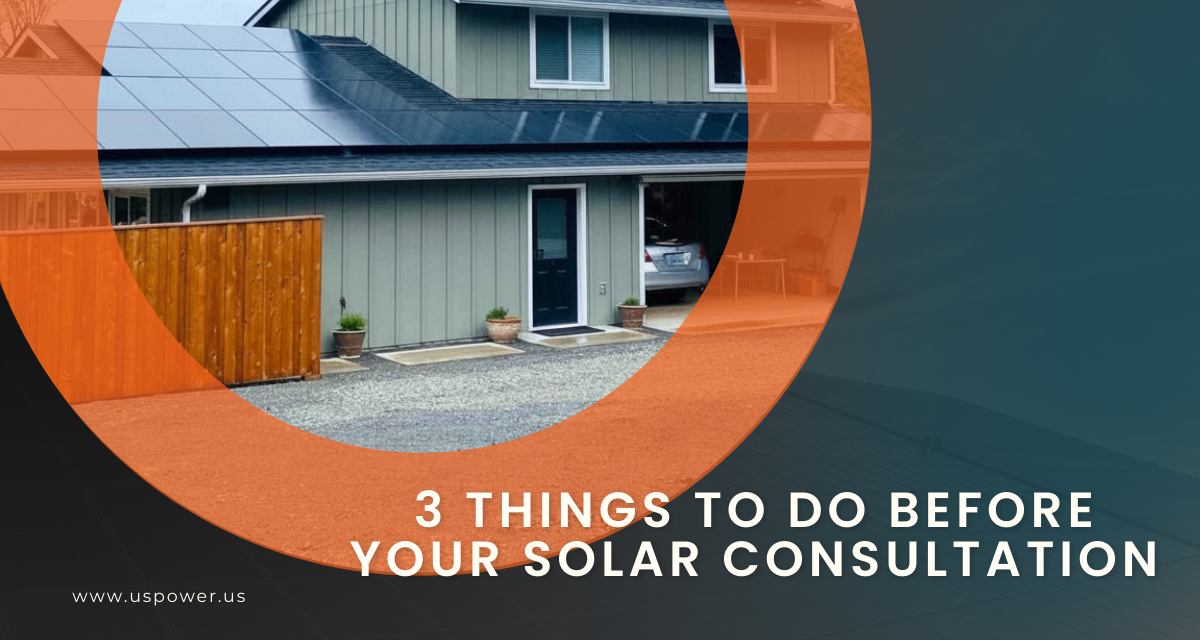
3 Things to Do Before Your Solar Consultation
Prepare effectively for your solar consultation with these essential steps.

Read This First Before Buying Solar Panels Yourself
Before you buy solar, get the facts and save more with expert installation.

Confused by Solar Quotes? Choose the Right Solar Consultant
Simplify solar decisions and increase savings through US Power abnd Qcells solar prod








Derechos de autor © 2025 US POWER | Energía solar y techosUS Power - Axia by QCells. All Rights Reserved.

¡Obtenga una estimación solar instantánea usando el satélite!