




Essential Steps to Prevent Solar Regret for Homeowners

Avoid wiring issues and underperforming panels. Ensure your solar installation works for decades with proper planning, roof prep, and battery storage tips.
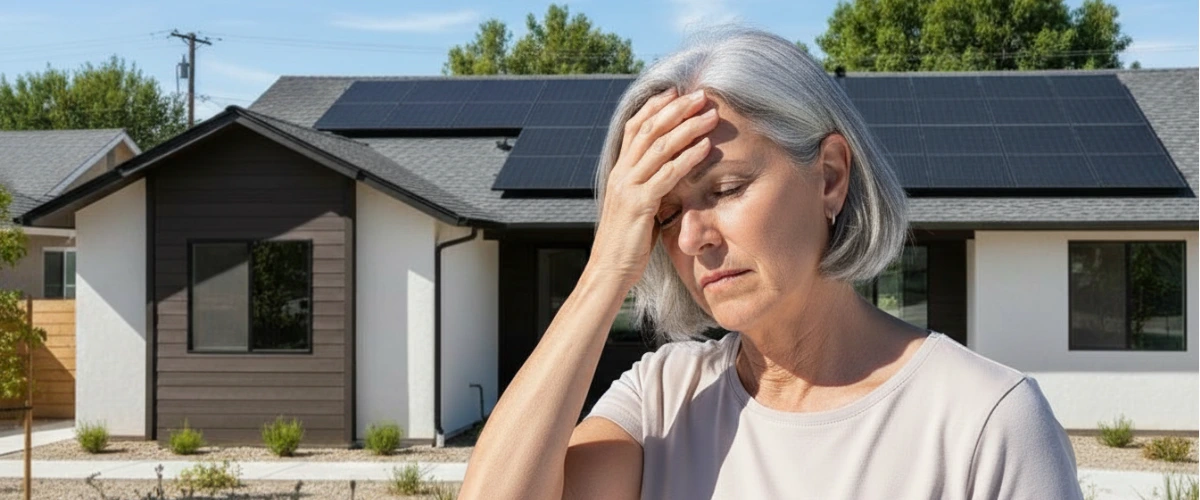
Solar sounds like a no-brainer: lower electric bills, cleaner energy, energy independence. But many homeowners — especially in California — end up disappointed. Wiring problems, leaks, underperforming systems, hidden fees, or poor planning turn what should be a smart investment into a long-term headache.
Before you sign on the dotted line, it pays to understand why some solar installations don’t live up to expectations — and how you can avoid making the same mistakes. This guide draws on real homeowner experience and current California solar realities to help you plan a system that delivers real value over decades.
The Common Pitfalls Homeowners Face
Cheap Installers Often Deliver Poor Results
One of the most frequent regrets among homeowners is choosing the lowest-cost installer. That bargain can come with steep hidden costs: poor wiring leading to performance issues or leaks, substandard mounting, or weak workmanship that compromises the system’s lifespan.
In short — solar isn’t just about panels and price per watt. Quality installation is key. Skimping now often costs more later. Consider reading how to choose a solar company in Los Angeles to understand what to look for in a reliable installer.
Ignoring the Roof’s Condition
A surprisingly common oversight: homeowners install panels without checking the roof first. If the roof needs replacing soon, removing the solar system to reroof and reinstall can be very expensive. A solar installation should always begin only after a thorough roof inspection — especially in SoCal, where older roofs, heat damage, or wear-and-tear could be common.
See is your roof suitable for solar panel installation for a detailed guide.
Lease / PPA Contracts — Hidden Traps
Some owners report entering leases or PPAs with fine print they missed. These contracts can include escalating fees, low buyout terms, or strict transfer clauses that become a headache when selling or refinancing a home. Without careful review, what seems like a low-cost or no-money-down option can end up costing far more than expected over time.
System Too Small — No Room for Growth
Many homeowners regret not planning for increased future energy needs — EVs, heat pumps, more devices, or a growing household. A solar system sized for current usage may look fine initially — but as consumption increases, the same system may fall short. Because solar investments are long-term, missing this step often leads to underpowered systems and disappointment down the road.
No Production Monitoring — Problems Stay Hidden
One harsh reality: systems can underperform for months without homeowners knowing. Without active monitoring, sub-optimal wiring, shading, inverter issues, or panel faults may go unnoticed — silently eating away expected savings. Regular monitoring ensures you’re getting what you paid for.
You can learn more about boosting solar savings with smart monitoring.
What California’s 2025 Reality Means for Solar Homeowners
Understanding the regulatory and incentive environment in 2025 matters — especially with major shifts under NEM 3.0 (Net Energy Metering 3.0) and new rebate programs for battery storage.
NEM 3.0 — Lower Grid Credits, Bigger Case for Batteries
Since April 2023, new solar installations in California fall under NEM 3.0. Under this system:
- Compensation for excess solar energy sent to the grid has dropped by about 75%.
- Excess energy exported during midday (when many homes produce more than they use) is less valuable.
- Time-of-use (TOU) rate plans mean off-peak electricity rates are low, while peak evening rates are high — ideally suited to using solar + storage to shift consumption.
In short: under NEM 3.0, solar alone may not pay off as quickly — unless paired with a battery system that stores energy for use during expensive evenings.
Incentives Still Favor Solar + Battery in 2025 — But Timing Is Critical
Despite changes in net metering, there are still strong financial reasons to go solar in 2025:
- The federal solar tax credit, which reduces the cost of your system by 30%, remains available for systems placed in service by December 31, 2025.
- For many homeowners — after applying the tax credit and available incentives — the payback period can still be around 8 years.
- If you add a battery along with your solar panels, the rebate value increases. Battery storage under the state’s Self-Generation Incentive Program (SGIP) can offset a large portion of storage costs, especially for eligible homeowners.
- Many installers estimate before-incentives system costs in Southern California at about $2.60–$3.10 per watt in 2025.
Taken together — if you plan carefully now — solar + battery still offers strong lifetime value for homeowners in California.
How to Avoid Solar Regret: 6 Essential Planning Steps
Based on homeowner feedback, industry data, and 2025 regulations, here’s a checklist to get right before you go solar:
- Choose a Reputable Installer — Not the Cheapest
Don’t shop only based on lowest price. Instead:- Look for real reviews from past customers
- Ask about warranty, workmanship and maintenance support
- Confirm they handle permits, inspections, and interconnection paperwork properly
A higher-quality install can pay off for decades, while a cheap, poor-quality job may cost thousands more in repairs or underperformance.
- Inspect Your Roof — Don’t Assume It’s Ready for Panels
Get a thorough roof assessment before installing solar. If your roof is aging or needs maintenance soon, fix it first. That avoids costly removal and reinstallation of solar panels later. - Plan Your System for the Future — Think Beyond Today’s Usage
Consider future needs: EVs, heat pumps, increased household load, battery storage, or even resale value. Oversize sensibly to accommodate growth — you may thank yourself later. - Prioritize Solar + Battery from the Start
With NEM 3.0, surplus energy sent back to the grid earns far less than under older rules. A battery enables you to store solar energy when it’s produced — and use it when power costs peak.
For many homeowners in 2025, the math favors solar + storage over solar alone. - Monitor Production — Don’t Set It and Forget It
Ensure your system includes monitoring software or gateway access so you can track daily and monthly production. If output drops, you’ll catch it early — and avoid months of lost energy and savings. - Read Contracts Carefully — Especially for Leases or PPAs
If you’re not buying the system outright, carefully review lease/PPA terms: price escalators, buyout clauses, maintenance responsibilities, contract transfer conditions (if you sell the home), and any hidden fees.
Why Well-Designed Solar + Battery Still Makes Sense in 2025
Despite the setbacks some homeowners face, a properly planned and professionally installed solar + battery system still offers strong advantages — if done right. For Southern California homeowners, the benefits include:
- Protection against rising electricity rates — especially with TOU pricing under NEM 3.0
- More reliable energy independence (ideal during grid outages or wildfire-related shutoffs)
- Long-term savings once the system pays for itself (often 8–10 years with incentives and efficient equipment)
- Increased home value without a property-tax penalty (California provides a property-tax exclusion for solar through at least 2026)
- Peace of mind knowing the system was built properly, by experienced professionals, using quality materials — not a bargain-job rushed through for the lowest price
How High-Quality Panels and Expert Installation Improve Outcomes
One of the smartest ways to avoid solar regret is to start with top-tier equipment and trusted workmanship. For example:
- Leading panels offer higher efficiency and better durability, which reduces waste and maximizes return on investment.
- Choosing a solar brand with strong warranties, factory-direct pricing, and a reputation for quality gives more protection over decades of use.
- A well-engineered system tailored to your roof, shading, usage, and future needs gives far better long-term performance than a one-size-fits-all bargain install.
Why It Often Pays to Work with Experienced, Transparent Installers
Homeowner satisfaction in solar — like in any major home improvement — often hinges on one factor above all: who installs it and how carefully it’s done.
Inexperienced installers may skip crucial steps: roof prep, proper wiring, accurate load estimates, proper grounding, and post-install monitoring. Over time, such shortcuts lead to leaks, underperformance, electrical faults, or expensive maintenance.
By contrast, experienced installers — those who take the time to design properly, plan for future needs (EVs, battery storage, growing demand), and guide homeowners through realistic expectations — consistently deliver better long-term results.
What Homeowners Should Ask Before Signing a Solar Contract
Before making a decision, homeowners should ask — and insist on clear answers to — the following:
- Has my roof been inspected and is it ready to support a solar installation?
- What brand and model of panels are you installing? What are their efficiency ratings and warranty terms?
- Will you include battery storage in the initial design or recommend adding it later?
- Can I monitor production (and how)? Will I get real-time or monthly output reports?
- What happens if I sell my home? Are contracts (or leases/PPAs) transferable or burdensome?
- What are the total estimated costs — before and after incentives (federal tax credit, state rebates, SGIP, etc.)?
- What assumptions are you making about my future usage (EV, heat pump, growth)? Are we building with headroom?
Solar Still Works — If You Do It Right
For many Southern California homeowners in 2025, solar — when properly planned, installed, and optimized — remains a strong long-term investment. The key is realistic planning, quality installation, and smart use of incentives.
Skimp on any piece — bargain installer, undersized system, ignored roof — and you risk regret. But take the time to design for today and tomorrow, monitor your system, and include storage, and you can capture decades of cleaner, cheaper, more reliable energy.
It’s not magic. It’s smart planning.
Want to Get It Right? Here’s Where to Start
If you’re thinking about solar for your home — but you don’t want to be another cautionary tale — consider getting a free, no-obligation quote from a reputable provider that:
- Uses high-efficiency, American-made panels
- Offers transparent pricing and incentives stacking (federal, state, battery rebates)
- Designs systems with realistic usage growth in mind (EVs, heat pumps, storage)
- Includes detailed roof inspection, production monitoring, and long-term support
Start with a request-a-quote on a home solar power system— then compare carefully. Because when done right, solar isn’t just good for the planet — it’s good for your wallet.
Note: 2025 is one of the last windows to take full advantage of the 30% federal solar tax credit — systems installed by December 31 can still claim it.
Frequently Asked Questions


Arrendamiento frente a la compra de paneles solares en California
Compare real costs of leasing vs buying solar panels for California homeowners.

Avoid Overpriced Solar Quotes from Any Solar Company
Learn why owning Qcells solar panels through US Power beats confusing leases and PPA.
What to Expect With a Solar Panel Installation
Here’s what California homeowners can expect when switching to solar with US Power.








Derechos de autor © 2025 US POWER | Energía solar y techosUS Power - Axia by QCells. All Rights Reserved.

¡Obtenga una estimación solar instantánea usando el satélite!