




California Winter Solar Production: 2026 Real Performance Data

Real homeowners share impressive January 2026 solar production numbers
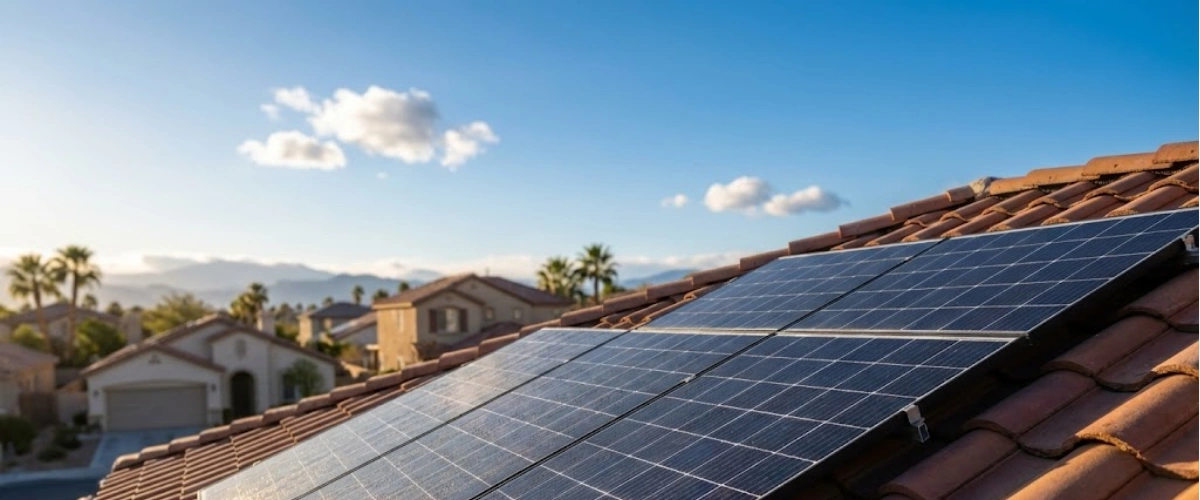
If you're considering going solar in Southern California, you've probably heard someone say, "Solar doesn't work well in winter." But here's what actually happened in January 2026: a SoCal homeowner with an 8.4 kW system generated 765 kWh—even with nine days of below-average production. Another Southern California resident with an 8.2 kW system hit 906 kWh during a particularly sunny January.
These aren't outliers. Across Southern California, homeowners are reporting winter solar production numbers that prove solar works exceptionally well even during the shortest days of the year.
The question isn't whether solar panels work in winter. They do. The real question is: how well do they perform in your specific region when the days are shorter and the sun sits lower in the sky?
Let's look at real data from Southern California homeowners, break down the science, and show you why winter might actually be the perfect time to install solar—especially with battery storage.
Why California Solar Panels Thrive in Winter Months
Here's something most people don't know: solar panels work exceptionally well in cold weather in California. In fact, cooler temperatures actually improve solar panel efficiency.
Solar panels have something called a "temperature coefficient"—basically, they lose a small percentage of efficiency for every degree above 77°F. When panels get hot in summer (think 150°F on your roof in August), they can lose 10-15% of their peak performance.
Winter flips this equation. On a cool 50°F January morning, those same panels operate at or above their rated capacity. The crisp air, combined with California's abundant sunshine even in winter, creates ideal conditions for solar energy production.
Here's what makes California winters exceptional for solar:
California sits at a latitude where winter sun angles remain relatively high compared to northern states. While you'll see production drop compared to summer's long days, you're still capturing substantial energy—especially in Southern California where cloud cover is minimal and winter temperatures stay moderate.
Southern California's semi-arid climate means most winter days are sunny and dry. Coastal areas like Los Angeles and Orange County may experience occasional marine layer mornings that burn off by 10 AM. Inland areas like San Bernardino and Riverside enjoy even clearer conditions with virtually zero morning fog. Unlike northern states dealing with weeks of clouds or snow-covered panels, SoCal homeowners enjoy consistent winter sunshine.
And unlike summer's extreme heat (which actually reduces panel efficiency), winter's moderate temperatures let panels run efficiently all day long. No midday efficiency drops from excessive heat.
Real Southern California Winter Performance Data
Let's talk numbers. Here's what Southern California homeowners reported for January 2026—real data from Reddit's solar community:
Los Angeles County:
One LA homeowner with an 8.4 kW system and a Powerwall 3 reported 765 kWh in January, despite nine days of below-average production due to occasional marine layer mornings. Another Los Angeles resident with an 8.2 kW system hit 906 kWh during a particularly sunny stretch.
Orange County:
An Orange County homeowner with a 9.6 kW east-facing system installed in October generated 722 kWh in their first full winter month. Even with non-ideal panel orientation, production remained strong throughout January.
Inland Empire:
A San Bernardino County resident with an 8.2 kW system (mostly west-facing panels) produced 659 kWh. The Inland Empire's clear, dry winter air and minimal marine layer interference resulted in consistent daily production.
These numbers are impressive—and they're happening right here in US Power's service area of Los Angeles, Orange County, Ventura, San Bernardino, and Riverside counties.
What this data tells us:
An 8-10 kW system in Southern California typically produces 650-900+ kWh in January, depending on location and panel orientation. Coastal areas may see occasional marine layer mornings, while inland areas enjoy exceptionally clear conditions. Even systems with shading or non-ideal orientations still produce substantial energy throughout winter. Southern California's consistent winter sunshine makes it one of the best regions in the entire country for year-round solar production.
This is all-year-round solar production across all seasons—winter production supports your baseline energy needs, while summer production helps you bank credits for year-round savings.
What to Realistically Expect from Winter Solar in California
Let's set realistic expectations. Winter production isn't the same as summer production—and that's okay because your solar investment is based on annual performance, not monthly.
The data shows that solar production drops 20-35% in winter compared to summer in most parts of the state. For Southern California—where US Power operates—that drop varies by microclimate. Inland areas like San Bernardino and Riverside see drops of just 20-22% thanks to exceptionally clear winter skies. Coastal areas like Los Angeles and Orange County see 23-27% drops due to occasional marine layer mornings.
Here's what affects your winter production:
Shorter daylight hours mean fewer hours of peak sunlight. In summer, you might get 14 hours of useful sunlight. In winter, that drops to about 9-10 hours. The sun's path across the sky sits lower in winter, which means sunlight hits your panels at a less optimal angle—unless your panels are tilted to capture winter sun effectively.
Occasional storms and cloud coverage can reduce production for a few days at a time. However, Southern California's winter weather is exceptionally mild and sunny. Coastal areas may experience marine layer mornings 20-30% of the time, but these typically burn off by mid-morning. Inland areas like the Inland Empire, San Fernando Valley, and Antelope Valley enjoy even more consistent clear skies.
And if you have large trees or structures that create afternoon shade, winter's lower sun angle can amplify these shading issues.
But here's the important part: Your solar system is designed for year-round performance. Summer's extra-long days and intense sun make up for winter's shorter days. When you look at your annual production, you'll see that Southern California's consistent sunshine—even in winter—delivers serious savings.
That LA homeowner generating 765 kWh in January? In July, that same system likely produces 1,300-1,400 kWh. Over the year, the total production easily covers their electricity needs.
How NEM 3.0 Makes Winter Solar Even More Valuable
If you're installing solar in 2026, you need to understand NEM 3.0—California's current net metering policy. It completely changed the game for how you should think about winter solar production.
Under the old NEM 2.0 rules, excess solar energy sent back to the grid earned you full retail credit. Now, under NEM 3.0, those export rates dropped by about 75%. That sounds bad until you realize what it really means: battery storage is essential under NEM 3.0, and winter is when batteries prove their worth.
Here's why winter makes the battery + solar combination so powerful:
In winter, your solar production peaks midday between 10 AM and 2 PM when the sun is highest. Under NEM 3.0, sending that energy to the grid earns you very little—maybe $0.05-$0.08 per kWh.
But storing that midday energy in batteries and using it during peak evening hours (4-9 PM) when SCE and PG&E charge $0.50+ per kWh? That's where real savings happen. You're avoiding expensive grid electricity when your panels aren't producing.
Winter battery strategies that maximize savings:
Store midday solar generation and discharge it during expensive evening hours when you're cooking dinner, running the heater, and using the most electricity. If your time-of-use rates are highest 4-9 PM, program your battery to discharge during those exact hours.
On particularly sunny winter days, fully charge your battery and minimize any grid exports. Use that stored energy through the evening and overnight. During the rare cloudy stretches, your battery can help you avoid pulling from the grid at the most expensive times.
This is exactly why 87% of California solar quotes in 2026 now include battery storage. The economics shifted—batteries aren't optional anymore if you want maximum savings under NEM 3.0.
Why US Power's QCells Systems Excel in Winter
Not all solar panels perform equally in California's winter conditions. The panels you choose make a real difference in how much energy you capture when the sun is lower and days are shorter.
US Power installs exclusively American-made QCells panels, manufactured in America and specifically engineered for California conditions. Here's what sets them apart during winter months:
QCells panels use Q.ANTUM technology with superior low-light performance. When the sun is at a lower angle or during those brief cloudy periods, QCells panels continue generating electricity more efficiently than standard panels.
The temperature coefficient on QCells panels is exceptionally low—meaning they maintain higher efficiency even on those crisp winter mornings. While other panels might struggle as temperatures fluctuate, QCells stay consistent.
But performance is only part of the story:
US Power's factory-direct partnership with QCells means you're getting these high-performance panels at 15-20% below typical market pricing. You're not paying distributor markups or dealer premiums.
Every installation includes a 25-year comprehensive warranty covering panels, workmanship, and performance. You get peace of mind knowing your winter production is guaranteed for decades.
And here's something homeowners love: US Power's installation timeline is just 3-6 weeks from approval to Permission to Operate (PTO). Most companies quote 8-12 weeks. You could be generating power this winter instead of waiting until spring.
The team consists of CSLB-licensed consultants who understand California's unique solar landscape, NEM 3.0 requirements, and battery integration. You're working with experts, not commission-driven salespeople.
How to Maximize Your Winter Solar Production
Even with high-quality panels, there are smart strategies to ensure you're capturing every possible kilowatt-hour during winter months.
Keep your panels clean. Winter brings less rain in Southern California, which means dust and debris can accumulate. A quick rinse every 4-6 weeks maintains peak efficiency—especially important when every hour of sunlight counts.
Check for shading issues that might worsen in winter. Trees that didn't affect your panels in summer might cast shadows when the sun is lower. Trimming branches before winter ensures maximum exposure.
Here's where batteries become essential: how to maximize your solar battery savings by storing midday production and using it strategically during peak rate hours. Program your system to prioritize self-consumption instead of grid exports.
Energy usage timing matters more in winter:
If possible, run high-energy appliances during midday peak solar production. Dishwashers, washing machines, and pool pumps should run between 10 AM and 3 PM when your panels are producing maximum energy.
For electric vehicle owners, schedule charging for midday when solar is abundant. Most EVs allow you to set charging schedules—take advantage of this to use your own solar power instead of expensive evening grid electricity.
Adjust your thermostat strategy. Instead of letting your heater run on expensive evening grid power, use midday solar to pre-warm your home, then reduce the temperature setting in the evening when you're using battery power.
These small adjustments can increase your solar savings by 15-25% during winter months without any additional equipment costs.
Why Winter Is Actually the Perfect Time to Install Solar
Most people assume spring or summer is the best time to go solar. They're wrong—and here's why winter installation gives you unique advantages.
First, rising SCE and PG&E electricity rates are climbing faster than ever in 2026. SCE customers saw a 10% increase in January alone. Every month you wait is another month of paying those higher rates. Installing now means you lock in solar savings immediately instead of bleeding money to the utility company.
Installation timelines are faster in winter. Solar companies aren't slammed with summer demand, which means your permits get processed faster and installation crews have more availability. US Power's 3-6 week timeline becomes even more achievable during winter months.
You'll be ready for summer's peak production. Install in February or March, and by the time summer hits, your system is fully operational and banking credits during the highest production months. You're not scrambling to get installed before summer ends.
Here's the financial timing that matters:
The federal solar tax credit ended December 31, 2025 for homeowner-claimed systems. However, third-party ownership options (like prepaid solar or PPAs) still qualify for business tax credits that get passed to you as savings. Installing now means you capture available incentives before they change further.
SCE and PG&E continue raising rates every few months. Your solar system's payback period gets shorter with each rate hike—making winter 2026 installation more valuable than waiting until rates climb even higher.
And with battery storage, you're protecting yourself against winter power outages. California's wildfire season extends into fall and early winter now. Having backup power isn't just about saving money—it's about keeping your family safe and comfortable.
Your Winter Solar Questions, Answered
The data is clear: solar panels work exceptionally well in Southern California winters. With homeowners across LA, Orange County, and the Inland Empire generating 650-900+ kWh monthly in January—some of the best winter production numbers in the entire country—real-world performance proves that winter solar is productive, profitable, and practical in our region.
The key is understanding the new landscape. Under NEM 3.0, battery storage transforms your solar investment from good to exceptional. Those crisp winter mornings when your panels run at peak efficiency? You're storing that energy and using it strategically instead of selling it back to the utility company for pennies.
Southern California's semi-arid climate and optimal latitude give you a massive advantage over virtually every other region. While homeowners in the Northeast are shoveling snow off panels or dealing with weeks of clouds, you're capturing abundant sunshine even in the shortest days of winter. Whether you're coastal with occasional marine layer or inland with crystal-clear skies, SoCal's year-round solar performance is unmatched.
And with SCE rates climbing every quarter, the math gets simpler: every month you wait is money lost to the utility company. Installing solar now means you start saving immediately and you're fully operational when summer's peak production season arrives.
Frequently Asked Questions
Will my solar panels produce enough energy on cloudy winter days?
How much does solar production drop in December and January?
Do I need to clear snow off my panels in Southern California?
Is battery storage really necessary with solar in winter?
What happens to excess energy I produce in winter?


%20Thumbnail.png)
¿Debería comprar o arrendar sus paneles solares en 2025?
Discover if buying or leasing solar panels in 2025 offers the best value for you.
Cómo los paneles de tejados y las iniciativas comunitarias
California homes are saving billions via rooftop solar and shared community power.
Solar in Winter? Keep Saving This Winter with Solar Power
Save even in winter—Qcells and US Power make solar efficiency a year-round benefit.








Derechos de autor © 2025 US POWER | Energía solar y techosUS Power - Axia by QCells. All Rights Reserved.

¡Obtenga una estimación solar instantánea usando el satélite!