




Why Your Solar Salesman's $0 Bill Promise Doesn't Tell the Whole Story

That "$0 bill" promise sounds amazing until you run the numbers yourself. Here's what solar salespeople don't tell you about payback periods, hidden costs, and the real path to eliminating your electric bill in Southern California.

You've heard the pitch before: "Install solar panels and say goodbye to your electric bill forever." It sounds perfect—until you sit down with a calculator and start running your own numbers.
A Southern California homeowner recently did exactly that. After being promised $0 bills, they created a spreadsheet showing an 8-year break-even point. Their question? "Am I missing something?" The short answer: No, you're not. The longer answer reveals why that "$0 bill" promise is technically true but practically misleading for most homeowners.
If you're considering solar in 2026, here's what the sales pitch doesn't tell you—and what you actually need to know about payback periods, hidden costs, and the real path to energy independence in Southern California.
The Math Your Sales Rep Didn't Show You
When solar salespeople promise "$0 bills," they're not lying—they're just being selective about which months they're talking about. In Southern California, your solar panels will likely produce enough energy to zero out your bill during peak summer months. June through September? You might see $0 or even negative bills if you're overproducing.
But winter tells a different story. Even with solar panels, most Southern California homeowners still pay $30-$80 per month from November through February. Shorter days, lower sun angles, and increased heating usage mean your panels can't keep up with demand.
This seasonal reality is why how to calculate your actual solar payback period matters more than the "$0 bill" marketing claim. When you factor in 12 months of actual usage, most systems deliver 85-95% bill reduction—not 100%. That remaining 5-15% might seem small, but it changes your break-even timeline.
For a typical 10kW system in Southern California costing $30,000 before incentives, here's what realistic payback looks like:
- Cash purchase with 30% tax credit: 5-7 years
- Financed with typical loan terms: 8-12 years
- Leased or PPA: 15-20 years (or never, depending on terms)
The homeowner asking "Am I missing something?" with their 8-year break-even calculation? They're right on target for a financed system in 2026.
Why Solar Alone Won't Get You to $0 Bills (Without This One Addition)
Here's the detail most solar salespeople gloss over: solar panels alone cannot give you $0 bills year-round. It's physically impossible without addressing nighttime usage.
Your panels produce energy during daylight hours. But your home uses energy 24/7—refrigerator running at night, HVAC maintaining temperature, phone chargers, security systems, Wi-Fi routers. All of that nighttime usage pulls from the grid, which means you're buying power from SCE even with a full solar array on your roof.
The solution? Battery storage. But here's where the math gets complicated.
Adding batteries to your solar system typically increases upfront costs by $10,000-$15,000 (before incentives). That's a significant investment, especially when you're already spending $25,000-$35,000 on the panels themselves. So does it pay off?
In Southern California under NEM 3.0, yes—but it takes longer to break even than panels alone. How batteries actually eliminate your electric bill by storing excess daytime solar production for nighttime use, truly getting you to that $0 bill promise. But your payback period extends from 6-8 years (solar only) to 10-14 years (solar + battery).
The critical question isn't "Can I get to $0 bills?" It's "Is the extended payback period worth true energy independence?" For many Southern California homeowners facing increasing outage risks and SCE rate hikes, the answer is yes.
What Changed in 2025 (And Why Your Neighbor's Old System Doesn't Compare)
If you have a neighbor who installed solar in 2019 and raves about their instant savings, don't expect the same experience. California's solar landscape fundamentally changed with NEM 3.0, implemented in April 2023.
Under the old NEM 2.0 rules, solar owners received full retail credit for excess energy sent to the grid. If you produced more than you used during the day, SCE essentially ran your meter backward at the same rate they charged you. This made solar panels alone incredibly profitable, with 3-5 year payback periods being common.
NEM 3.0 changed everything for California solar. Under current rules, excess daytime production gets compensated at wholesale rates (roughly $0.05-$0.08 per kWh) while you still pay retail rates ($0.40-$0.60 per kWh) for grid power at night. This 75-85% reduction in export credits is why batteries became economically essential after 2023.
For homeowners considering solar in 2026, this means:
You need to maximize self-consumption rather than grid exports. Panels alone won't cut it anymore—you need storage to capture value from your production.
Payback periods are longer than they were, but still competitive compared to 25+ years of rising SCE rates.
System sizing matters more than ever. Oversized systems without batteries actually hurt your economics because you're essentially giving free power to SCE.
The Real Costs Nobody Mentions Upfront
Beyond panels and inverters, several costs impact your true payback timeline. Experienced solar professionals know about these; commission-driven salespeople conveniently forget to mention them.
Main panel upgrades: If your home's electrical panel is older or undersized (common in homes built before 2000), you may need a $1,500-$3,500 upgrade before solar installation can proceed. Not every home requires this, but sales reps should evaluate during the initial site visit.
Roof repairs or replacement: Installing solar on a roof with less than 10 years of remaining life is a costly mistake. You'll pay to remove panels, repair the roof, then reinstall everything—adding $5,000-$8,000 to your total cost. Reputable installers assess roof condition before quoting; questionable ones assume you won't notice until it's too late.
Trenching and conduit runs: If your main panel is far from your meter or your roof is distant from your attic, electrical runs get expensive. Depending on distance and difficulty, expect $500-$4,000 in additional electrical work.
Permit and interconnection fees: These vary by jurisdiction but typically run $500-$1,500. Some installers roll these into their quotes; others surprise you with them later.
Hidden costs that impact your solar savings can add 10-20% to your project total if you're not working with a transparent installer. This is why getting detailed, itemized quotes matters.
Getting Accurate Production Forecasts (Not Sales Fantasies)
One Reddit solar professional nailed it: "Every forecast I've seen, that I didn't make, was overly optimistic about production and annual rate increases."
Inflated production estimates are the solar industry's dirty secret. When salespeople need to justify high prices or make payback periods look attractive, they simply increase the estimated annual kWh production. Add 10% here, assume perfect conditions there, and suddenly that 8-year payback becomes "just 6 years!"
The problem? Your actual panels have to perform in the real world—with:
- Morning fog reducing early production
- Afternoon marine layer limiting peak hours
- Occasional cloudy days throughout winter
- Dirt, dust, and pollen reducing efficiency by 2-5%
- Natural panel degradation (0.5% annually)
Realistic solar production estimates account for these real-world factors. At US Power, our consultants use actual historical weather data for your specific location, real shading analysis from site photos, and conservative degradation assumptions.
This means our production forecasts might be 10-15% lower than what competitors quote. But here's the thing: our customers aren't surprised when their first year of production matches (or exceeds) our estimates. Can competitors say the same?
The One Factor That Makes Solar Worth It (Despite Everything Above)
After reading about extended payback periods, necessary battery additions, hidden costs, and conservative production estimates, you might wonder: Is solar even worth it anymore?
The answer depends entirely on one factor: what you believe SCE rates will do over the next 25 years.
In 2014, average Southern California electricity rates were $0.17 per kWh. By 2020, they'd climbed to $0.23. In 2025, they're pushing $0.45-$0.55 depending on your rate plan and time-of-use schedule. That's a 164% increase in just 11 years.
Why SCE rates keep climbing shows no signs of slowing. Utility infrastructure upgrades, wildfire mitigation costs, and California's grid modernization programs all get passed to ratepayers. Industry analysts project $0.60-$0.70 per kWh by 2030.
Here's what this means for your payback calculation:
If you calculate break-even assuming rates stay flat at today's $0.50 per kWh, you might see an 8-year payback. But if rates increase just 3% annually (conservative by recent standards), your actual payback drops to 6-7 years. At 5% annual increases (matching the last decade), you hit break-even in 5-6 years.
This is why one Reddit commenter said: "Hedging the increased cost of electricity is a benefit I didn't account for in my initial evaluation but is a huge benefit of solar."
Your solar panels lock in your energy costs for 25+ years. While your neighbors' bills climb from $200/month to $300 to $400, yours stays relatively flat (minus that small grid connection fee). Over 25 years, that difference compounds dramatically.
How US Power's Approach Differs from Commission-Driven Sales
The homeowner who posted their spreadsheet did something most buyers don't: they verified claims independently. This is exactly the approach US Power encourages.
Unlike third-party sales organizations that pay 15-25% commissions (which get added to your system cost), US Power operates with salaried consultants. This means:
No pressure to inflate production estimates to hit sales quotas
No incentive to hide costs that might reduce commission
No motivation to oversell system size beyond your actual needs
Our factory-direct relationship with QCells eliminates dealer markups entirely. The panels come straight from the Georgia manufacturing facility to your roof, with no middlemen taking cuts along the way. This typically saves Southern California homeowners 15-20% compared to third-party installers using the same panels.
Why buying beats leasing every time is simple: ownership gives you the 30% federal tax credit, increases home value, and provides true energy independence. When you own your system outright (or are actively paying it off), you control your energy future.
We also complete installations in 3-6 weeks after permits are approved—faster than the 8-12 week industry average. Less waiting means you start saving sooner, which improves your effective payback period.
What to Ask Before You Sign Anything
Armed with realistic expectations, you can approach solar consultations prepared to ask the right questions. Here's what separates honest installers from commission-driven sales teams:
"What's your actual first-year production estimate, and what assumptions are you using?" Demand to see the solar modeling software output, not just a single number. Look for shading analysis, tilt/azimuth calculations, and weather-adjusted estimates.
"What's included in this price, and what might cost extra?" Get itemized quotes showing panels, inverters, racking, labor, permits, interconnection fees, and any potential electrical upgrades. If they give you a single lump sum, ask them to break it down.
"What happens if my production is significantly lower than estimated?" Reputable installers stand behind their forecasts with production guarantees. If they won't commit to within 10-15% of their estimate, that's a red flag.
"What's my realistic payback period if I finance instead of paying cash?" Many sales pitches only show cash payback. But if you're financing at 6-8% interest, your break-even point extends significantly. Make them show you both scenarios.
"Can I see examples of your actual customer bills before and after installation?" Nothing beats real-world data. Installers with happy customers are proud to share anonymized billing comparisons.
Transparent solar quotes that show real numbers should be the standard, not the exception. If you're getting pushback on any of these questions, you're dealing with a sales operation, not a solar professional.
Making the Decision That's Right for Your Home
The Reddit homeowner who questioned their sales rep's "$0 bill" promise did exactly what every solar buyer should do: verify independently before committing.
Solar is a 25-year investment in your home's energy future. It should be treated with the same scrutiny you'd give any major financial decision. That means understanding realistic payback periods (6-10 years for most Southern California homes), accepting that batteries add cost but deliver value, and working with installers who prioritize transparency over commissions.
The good news? Despite everything we've covered—extended payback periods under NEM 3.0, necessary battery additions, hidden costs, and conservative production estimates—solar still makes financial sense for most Southern California homeowners. Rising SCE rates ensure that locking in your energy costs today pays dividends for decades to come.
You just need to approach it with open eyes, realistic expectations, and the right installation partner.
Frequently Asked Questions
Can I really achieve $0 electric bills with just solar panels?
Why do payback estimates vary so much between companies?
Is 8 years considered a good payback period in 2026?
What's the minimum roof life needed before installing solar?
Do panel degradation rates significantly impact long-term savings?


What Happens After Solar Installation: Service Issue No One Talks About
Learn how to choose an installer who actually stands behind their work in SoCal.
Why Owning Your Solar System Wins Every Time
Stop renting power—own it with Qcells solar panels + battery through US Power.
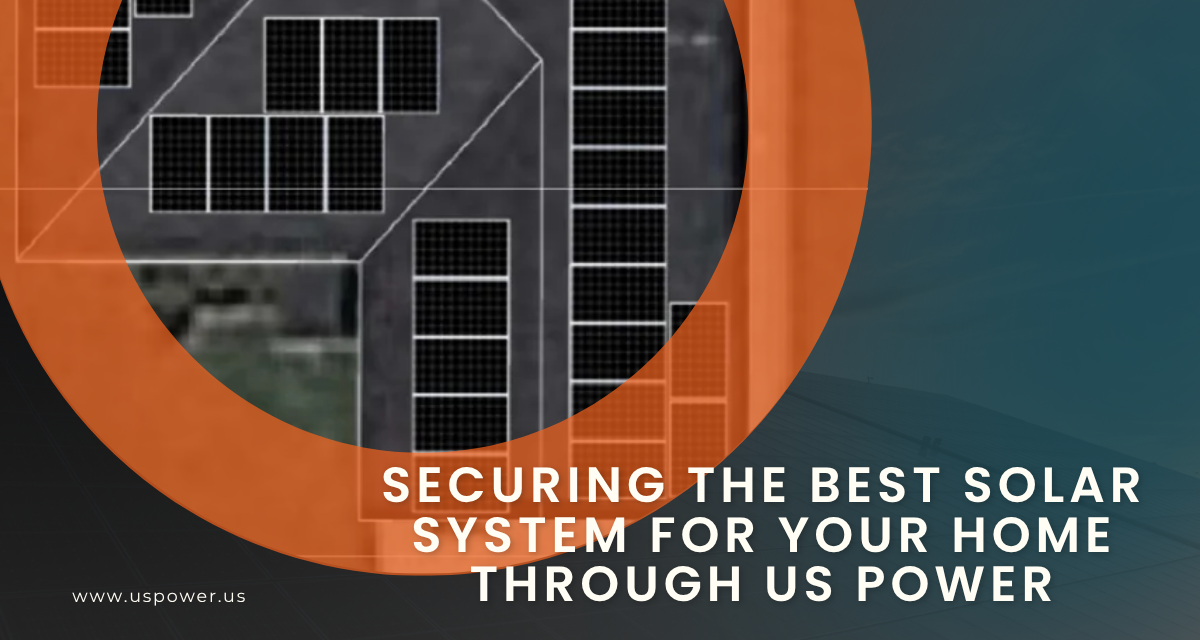
Securing the Best Solar System for Your Home Through US Power
Go solar the right way! Install Qcells panels hassle-free through US Power.








Copyright © 2025 US Power - Axia by QCells. All Rights Reserved.

Get an instant solar estimate using satellite!