




Solar Permitting Clarity for Southern California Homeowners

Avoid delays and compliance issues with our detailed Southern California solar permitting guide, covering building permits, inspections, and PTO.
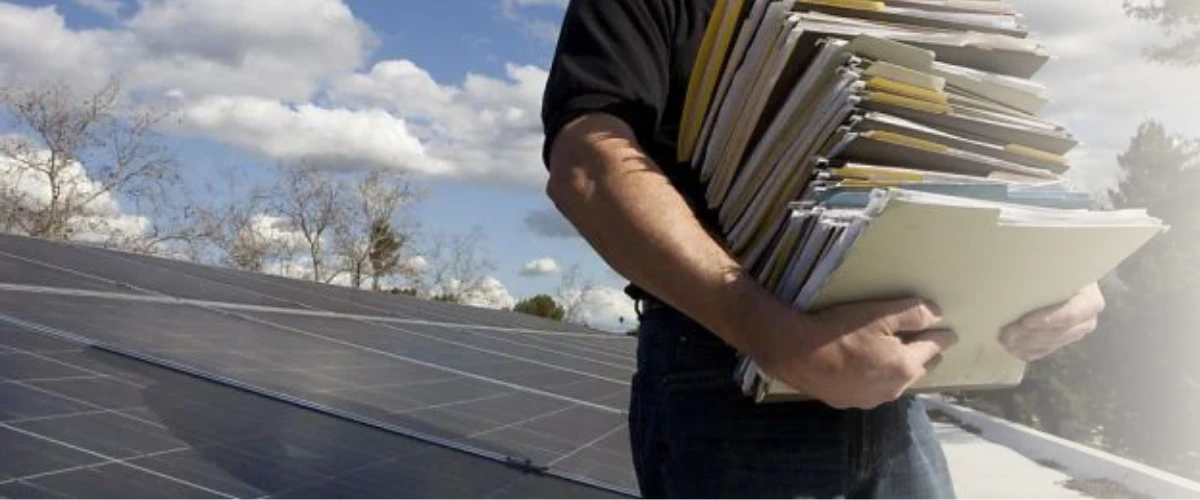
Understanding the solar permitting process can be confusing, but it doesn’t have to be. Homeowners often face challenges with conflicting plans, unclear permit requirements, and rushed installations. Whether you’re planning a residential or commercial solar project, having a clear roadmap is essential for a smooth process and long-term energy savings.
This guide will help you navigate the permitting process, understand local building and electrical requirements, and make informed decisions about your solar panels and systems. By the end, you’ll have a homeowner-friendly checklist to ensure your solar installation is safe, compliant, and efficient.
Why Solar Permitting Matters in Southern California
Solar installations in Southern California come with numerous benefits, including tax credits, energy savings, and increased property value. However, securing the proper solar permits and understanding building permit requirements is critical to avoid costly delays or compliance issues.
Key benefits of solar systems:
- Maximizing tax credits and financial incentives
- Ensuring system safety through proper electrical permits
- Avoiding fines or insurance issues due to unpermitted work
- Boosting energy efficiency and performance of your solar panels
Understanding solar permits, the permitting process, and the specific requirements in your local area ensures that your solar panels and systems are installed correctly and safely.
Common Challenges in Solar Permitting
Homeowners frequently encounter several challenges during the permitting process:
Conflicting Plans and Electrical Designs
- Microinverters vs. string inverters
- DC vs. AC systems
- Structural and electrical discrepancies
Rushed Installations
- Tight timelines to meet tax credit deadlines
- Potential for sloppy or incomplete installations
Navigating Local Permit Requirements
- Differences in city, county, and utility rules
- Understanding both building permits and electrical permits for solar projects
Safety and Compliance
- Ensuring proper installation to prevent electrical hazards
- Adhering to California Building Code and local solar photovoltaic standards
For a detailed overview of what homeowners need before starting, see What La Homeowners Must Do Before Installing Solar.
Step-by-Step Guide to Solar Permitting
1. Identify Your Local Jurisdiction
Determine whether your property is in an incorporated city or unincorporated area (e.g., Los Angeles County, Ventura County for reference). Contact your local Building & Safety department to confirm specific permit requirements for solar installations.
2. Prepare Your Project Documentation
Gather all necessary documents before applying for permits:
- Solar panel layout and system diagrams
- Electrical calculations and site plans
- Structural drawings for rooftop or ground-mounted systems
- Manufacturer specifications for panels and inverters
3. Apply for Building and Electrical Permits
- Building permit: Covers structural and site aspects of your solar installation
- Electrical permit: Ensures safe electrical connections and compliance with local codes
Online portals like EPIC LA can simplify the permitting process for many residential solar projects. Commercial solar installations may require additional documentation and inspections.
For more on streamlining this process, check How to Avoid Permit Headaches and Speed up Installation.
4. Plan Review and Corrections
The permitting department will review your plans and may request clarifications or revisions. Ensure all conflicts between microinverters, string inverters, and panel layouts are resolved before installation.
5. Installation and Inspections
- Hire a licensed contractor to install solar panels and associated systems
- Schedule inspections for building and electrical permits
- Confirm that installed systems match the approved plans
6. Final Approval and Permission to Operate (PTO)
Once inspections pass, the utility will grant PTO. Your solar system is officially compliant and operational.
Learn more about what LA homeowners must do before installing solar to avoid delays.
Tips for Smooth Solar Permitting
- Ask questions upfront: Confirm which solar panels and inverters will be used and how they affect the electrical permit.
- Review plans carefully: Ensure consistency in microinverter or string inverter layout
- Track your permitting process: Use online tools to monitor progress
- Leverage recent reforms: AB 2533 (2025) and modern permitting systems can simplify processes
- Hire experienced contractors: They handle permits, installations, and inspections efficiently
Safety and Performance Considerations
Proper permitting ensures safety and long-term performance of your solar systems:
- Correct panel placement minimizes shading and optimizes efficiency
- Microinverters enhance safety for pets and wildlife by converting DC to AC at each panel
- Solar battery storage provides backup power and reduces reliance on the grid
- Accurate electrical permits prevent hazards and maintain compliance with building electrical codes
For tips on maximizing performance with the right panels, see Top-Rated Solar Panels for Sherman Oaks Homeowners.
Checklist for Southern California Homeowners
✔ Identify your local jurisdiction (city or county)
✔ Collect all documentation: site plans, panel specs, structural and electrical diagrams
✔ Apply for building permit and electrical permit
✔ Review plan checks and resolve conflicts
✔ Hire licensed contractors for installation
✔ Schedule inspections for both permits
✔ Confirm installed systems match approved plans
✔ Obtain Permission to Operate (PTO)
✔ Document incentives and rebates for tax purposes
Use this checklist to stay organized and avoid surprises during the permitting process.
Why Choose US Power for Solar Installations
Partnering with US Power ensures your project is handled with clarity, safety, and efficiency:
- QCells panels: High-performance, American-made, backed by 25-year warranties
- Factory-direct pricing: Reduce costs without sacrificing quality
- Full support: Guidance through solar permitting, inspections, and incentive paperwork
- Customized design: Systems optimized for energy production, safety, and longevity
US Power takes the stress out of solar permitting so you can enjoy clean, affordable energy with confidence.
Working with US Power Made Permitting Simple
Solar permitting doesn’t have to be complicated or stressful. By understanding the permit requirements, tracking the permitting process, and working with experienced contractors, Southern California homeowners can install safe, efficient solar systems that maximize savings and performance.
Follow this guide and checklist to ensure your solar panels, electrical systems, and installations meet all local requirements, and partner with a trusted provider like US Power to streamline your project from start to finish.
Ready to take the next step? Schedule a solar consultation today to review your plans, secure your solar permits, and start your installation with confidence.
Frequently Asked Questions
How long do solar permits take?
How much do solar permits cost?
How long does it take to get a solar permit?
Do you need a permit to install solar panels?
How long until I get the approval?



Avoid Overpriced Solar Quotes from Any Solar Company
Learn why owning Qcells solar panels through US Power beats confusing leases and PPA.
Cracked Solar Panels from Installation? What Homeowners Need to Know
Found cracks on brand new solar panels? We are here to help protect our customers.
Your Solar Dream Doesn't Have to Turn Into a Nightmare
Protect your investment, don't lose your 30% tax credit to a failed solar company.








Copyright © 2025 US Power - Axia by QCells. All Rights Reserved.

Get an instant solar estimate using satellite!