




How to Avoid Permit Headaches & Speed Up Installation

Avoid costly solar delays in Southern California with expert tips, realistic timelines, and factory-direct US Power solutions for faster installation.
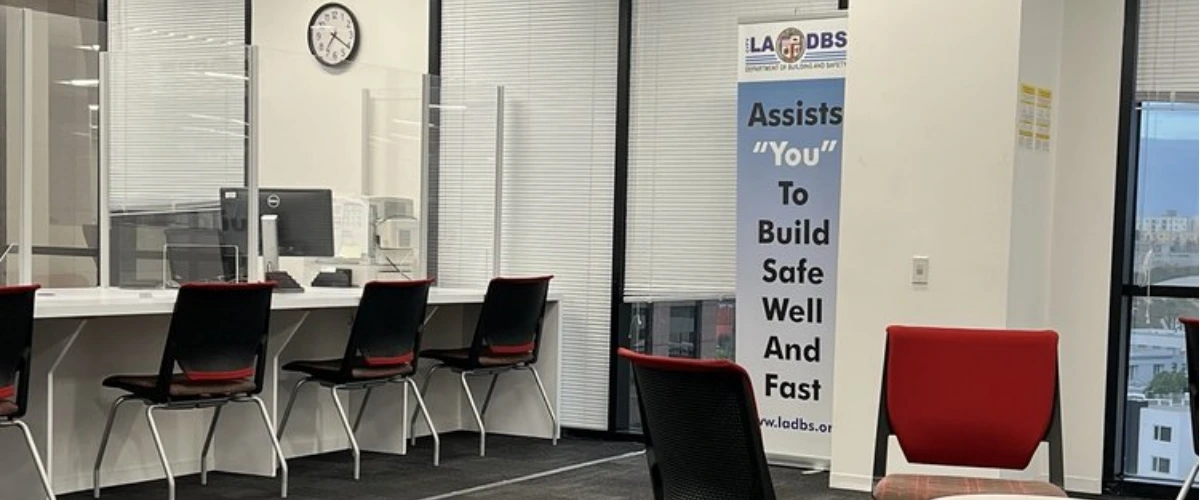
For many Southern California homeowners, the dream of switching to solar energy hits a frustrating obstacle long before panels even reach the roof: permit delays, city bureaucracy, and utility back‑logs. Picture this: you sign a contract, make plans, but a month — or more — passes with no permit approval. Then a neighbor complains, the county issues a stop‑work order, and suddenly your “simple” solar project stalls completely.
These aren’t just hypothetical headaches. Homeowners often report multi‑month delays, sudden work‑stoppages, or even project cancellations. Beyond wasted time, such delays can jeopardize eligibility for incentive deadlines (like federal solar tax credits), interfere with seasonal installation windows, or create costly rescheduling of materials and crews.
For those ready to go solar — especially if you plan to rely on battery storage or high‑quality panels — this blog offers a realistic, insider’s look at the permitting and installation process in 2025, what causes delays, and how savvy homeowners and certified providers can beat the bottlenecks.
Typical 2025 Solar Installation Timeline in Southern California
Here’s what most SoCal homeowners can expect when installing solar — from contract signing to having power flow from your panels.
In other words: while solar installation (i.e. panels on the roof) can be done in days, the paperwork and approval process often stretches the overall project to several months — especially in busy or strict jurisdictions.
County & City Realities: Why Timelines Vary Across SoCal — and What to Expect
Not all of Southern California is the same when it comes to permitting and solar installations. Where you live makes a big difference. Below are examples of how things look in a few key areas — in 2025.
Los Angeles County Building and Safety (L.A. County & Unincorporated Areas)
- Permitting is done through an online platform (EPIC‑LA) or via paper submission.
- For small residential rooftop PV systems: expect plan check and review to take from 4 to 12+ weeks, depending heavily on department workload and application completeness.
- After approval, issuance is relatively quick (1–3 days), but inspection scheduling and utility PTO can add several more weeks.
- Realistic total project timeline for many homes: 3–8+ months, especially if there are corrections or additional reviews needed.
Orange County, California (Cities & Unincorporated Areas)
- Some cities in OC use streamlined processes via SolarAPP+ for simple systems — permits can issue in hours or a single day.
- Traditional review (especially when adding batteries, storage or more than 10 kW systems) can take several weeks for plan review alone.
- After permit approval, utility interconnection and grid‑tie paperwork (for example with Southern California Edison or relevant utility) often adds 15–30 business days, sometimes longer for complex installations.
- Overall: even with favorable conditions, expect around 6–16 weeks total for a basic rooftop system to become operational.
Other SoCal Counties / Cities (General Observations)
- When systems are simple (roof‑mounted, under 10 kW, no batteries/storage) and jurisdictions support automated permitting via SolarAPP+, some permits are approved within 1 business day.
- However, as more installers attempt to meet high demand (especially before incentives or deadlines), backlog and documentation errors increase. This can push traditional plan review to 6–12+ weeks.
- Battery systems, added storage, or roof‑structure upgrades often trigger additional reviews — prolonging the process beyond typical PV‑only installations.
What Often Causes Permit & Installation Delays — And How to Avoid or Mitigate Them
Understanding what drags out the process is the first step to avoiding headaches. Below are common causes — and what homeowners (or their trusted contractors) should do to stay ahead.
❗ Common Delay Triggers
- Incomplete or incorrect permit applications — missing diagrams, structural calculations (for roof load), or outdated equipment specs.
- System complexity — added battery storage, upgrades to electrical panels, or integrating with backup systems often requires stricter reviews.
- Jurisdiction workload & staffing constraints — busy seasons (spring/summer), staff shortages, or spikes in solar demand slow down plan checks and inspections.
- Utility interconnection backlog — once installed, delays in grid‑tie or meter scheduling with utilities like SCE or the local utility in your city can stretch PTO timelines.
- Resubmissions due to corrections — if the building department requires revisions, each round can add 1–4+ weeks depending on how quickly corrections are made.
✅ Proactive Tips to Minimize Delays (and Save Money)
- Start early — way before peak seasons. Begin planning and permit‑preparation 2–4 months ahead of your ideal installation date. In tight jurisdictions, 6 months lead time isn’t unreasonable.
- Use experienced solar providers familiar with local rules. Contractors who know permit requirements, common rejection causes, and how to properly format submissions dramatically increase approval odds.
- Choose streamlined permitting paths when available. If your system is standard (roof‑mounted, under 10 kW, no battery) and your city supports SolarAPP+, that could mean same‑day permits.
- Prepare all documentation thoroughly — from structural calculations to equipment specs. Missing or incorrect paperwork is the #1 reason for plan‑check delays or outright rejection.
- Coordinate with utilities early. Submit interconnection agreements and net‑metering paperwork as soon as plans are submitted — ideally simultaneously with the building permit — to avoid PTO bottlenecks.
- Schedule inspections right after installation and stay on top of follow‑ups. Once the install team finishes, request inspection immediately — and confirm inspection date as soon as you can. Delays here directly postpone PTO and power‑on.
Why Working with a Factory‑Direct Partner Matters: QCells, Battery Storage & US Power Advantage
When delays are costly — in time, incentives, and homeowner frustration — having a solar provider that’s factory‑direct, experienced, and streamlined can make all the difference. Here’s how US Power brings value to Southern California homeowners:
- Access to premium QCells solar panels (American‑made, factory‑direct) — reduces lead time for equipment procurement and ensures reliable supply when many installers are backlogged.
- Integrated solar + battery storage packages — simplifies planning, reduces complexity, and helps avoid extra permit delays tied to non‑standard add-ons.
- Deep familiarity with local SoCal permitting authorities (L.A., OC, etc.) — improves odds of first‑time approval by ensuring applications meet county/city code standards and avoid common resubmission pitfalls.
- End‑to-end service: design, permit paperwork, installation, inspection coordination, and utility interconnection — less hassle for homeowners and faster overall timeline.
By choosing a provider like US Power, many homeowners shorten their overall timeline — from months to a few weeks or a couple of months — depending on location and system complexity.
What to Do If Your Permit Is Getting Dragged Out (Neighbor Complaints, Stop Orders, or Bureaucratic Delays)
If your permit or installation is stalled, here’s a practical homeowner action plan:
- Check permit status online or call the building department — often delays happen because applications are incomplete or missing attachments. Sometimes a quick fix and resubmission triggers approval.
- File corrections or additional documentation promptly — don’t wait. The sooner you respond, the sooner they re‑review.
- Inform the city you’re working with an experienced, licensed installer — that can help ease concerns, especially if neighbors complained.
- Keep records of all communications, plans, approvals, and correspondence — this helps if you need to escalate or ask for expedited review (especially in jurisdictions that offer expedited permits for small residential solar).
- If permitted, ask about expedited or over‑the‑counter solar permit pathways (some cities/counties offer this for standard rooftop systems).
Don’t Let Permit Headaches Stop You — Plan Smart & Go Solar with Confidence
Permitting delays — or worse, stop‑work orders triggered by neighbor complaints and regulatory red tape — are a real risk for solar installations in Southern California. But with the right planning, experienced installer, and awareness of how permitting works in 2025, homeowners can steer around most bottlenecks.
By working with a seasoned, factory‑direct provider like US Power (with top‑quality QCells panels and optional battery storage), you can drastically reduce the pain, timelines, and uncertainty — and move closer to energy freedom, stable savings, and a greener home.
Ready to start smart?
Schedule for a free site review and to learn how quickly your home can go solar (and battery‑ready) — without the permit headache.
Frequently Asked Questions


High Efficiency Solar Panels, Factory-Direct Pricing & Tax Credit
High-efficiency Qcells solar panels for maximum savings in Southern Califfornia.

Why Homeowners Still Win — Even After the Tax Credit Ends
Solar energy still pays off — maximize saving without waiting for solar tax credit.

How Factory-Direct Helps You Maximize the Solar Tax Credit
See how buying solar factory-direct can boost your solar tax credits and savings.








Copyright © 2025 US Power - Axia by QCells. All Rights Reserved.

Get an instant solar estimate using satellite!