



Generac PWRcell Problems? Why QCells Batteries Are Better for CA Homes
Southern California homeowners are reporting serious reliability issues with Generac PWRcell battery systems—from grid frequency detection failures to complex installations requiring extensive support calls. With NEM 3.0 making battery storage essential for solar savings, choosing the right battery brand matters more than ever. Discover why homeowners are switching to QCells Q.HOME CORE batteries and how US Power's factory-direct partnership delivers superior reliability, simpler installation, and stronger warranties for your solar investment.
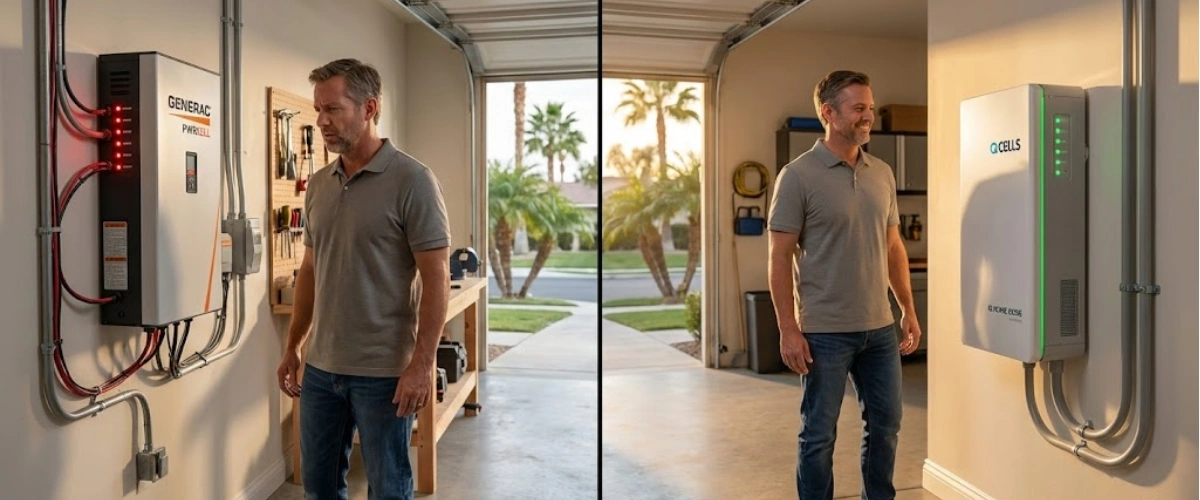
When a Los Angeles homeowner posted online asking if $500 was fair for their used Generac PWRcell battery cabinet, the responses were brutal. Multiple solar technicians jumped in warning about reliability problems. One installer flat-out refused: "You couldn't pay me $500 to take it." Another shared they'd serviced "plenty of these" and called them "junk."
These aren't isolated complaints. Across Southern California, homeowners who installed Generac PWRcell systems are facing frustrating technical issues, complicated warranty claims, and expensive service calls. With NEM 3.0 making battery storage essential for maximizing solar savings, choosing a reliable battery system isn't just about backup power anymore—it's about protecting your investment.
If you're researching solar batteries for your Southern California home, here's what you need to know about Generac PWRcell problems and why QCells batteries are becoming the preferred alternative.
The Generac PWRcell Problem: What Homeowners Are Actually Experiencing
Generac built their reputation on standby generators—reliable machines that kick on during outages. When they entered the solar battery market with the PWRcell system, many homeowners assumed the same reliability would translate. Unfortunately, that hasn't been the case.
Grid Frequency Detection Failures
One of the most reported issues involves the PWRcell's inability to detect operational grid frequency. Even when the grid is functioning normally and frequency is within acceptable limits, some systems simply refuse to operate. One technician explained they'd seen this failure "twice" and it left homeowners without the battery backup they'd paid thousands for.
This isn't a minor inconvenience. When your battery won't charge or discharge because it can't sense the grid properly, you're essentially paying for a very expensive paperweight mounted on your garage wall.
Complex System Architecture
The PWRcell uses a proprietary "REBus" connection at 380VDC between battery modules and the inverter. While Generac markets this as their innovative "nanogrid" technology, it creates several problems. The system's complexity means more components that can fail, more troubleshooting needed, and fewer technicians qualified to service it.
Multiple solar professionals described the PWRcell as approaching "Rube Goldberg status"—overly complicated for what should be straightforward energy storage.
Limited Expansion Options
Want to add non-Generac batteries to expand your storage capacity? You can't. The proprietary system locks you into Generac's ecosystem. Each 3kWh battery module retails around $2,500, and you have no option to integrate more affordable third-party batteries even if they're technically compatible.
This creates an expensive upgrade path if your energy needs change or you add an electric vehicle.
Why Battery Choice Matters Under NEM 3.0
California's NEM 3.0 billing structure changed everything about solar economics. Export rates dropped by approximately 75%, meaning the credits you receive for sending excess solar back to the grid are now minimal—sometimes just $0.05-$0.10 per kWh compared to the $0.30-$0.35 you pay to pull energy from the grid.
This makes battery storage essential under NEM 3.0 for capturing your daytime solar production and using it during expensive evening hours when your family actually needs power.
Time-of-Use Rates Hit Hardest at Night
SCE and other Southern California utilities charge peak rates from 4-9 PM on weekdays—exactly when solar panels produce nothing. Without a reliable battery system, you're forced to buy expensive grid power right when rates spike.
A quality battery system stores your midday solar production and deploys it strategically during these peak hours. But here's the critical point: your battery needs to actually work when you need it. The Generac PWRcell's reliability issues mean some homeowners paid for battery storage but can't depend on it when rates are highest.
The Real Cost of an Unreliable Battery
When solar batteries can maximize your savings, you're calculating based on the assumption your system works consistently. A battery that frequently goes offline or requires service calls undermines your entire solar investment.
Consider this: If your battery fails during a week of peak summer rates, you could lose $50-$100 in savings that week alone. Over a year, unreliable performance can cost you hundreds or thousands in lost savings—not to mention the frustration of dealing with service calls and warranty claims. As electricity bills for SCE customers continue climbing, the stakes for choosing a reliable battery system only get higher.
What Makes a Quality Battery System: The Standards Generac Misses
Understanding what separates reliable battery systems from problematic ones helps explain why QCells batteries outperform Generac PWRcell in real-world applications.
Proven Battery Chemistry
The best solar batteries use Lithium Iron Phosphate (LFP) chemistry—the same technology in premium electric vehicles. LFP batteries offer superior safety, longer lifecycles (6,000+ charge cycles), and better thermal stability than other lithium-ion chemistries.
QCells Q.HOME CORE batteries use LFP chemistry with advanced thermal management. The Generac PWRcell also uses lithium-ion batteries, but the proprietary system architecture and reported reliability issues suggest the overall system design hasn't been fully optimized.
Simplified Installation
A quality battery system should integrate seamlessly with standard solar equipment. The fewer proprietary components and specialized connections required, the easier installation becomes and the more technicians can service your system if issues arise.
Transparent Monitoring and Control
You should be able to monitor your battery's performance in real-time through an intuitive app. This includes state of charge, power flow, and historical data. The system should also allow you to adjust charging and discharging settings based on your utility rate schedule.
When homeowners report needing to contact their "authorized Generac PWRcell dealer for service" for basic issues, that's a red flag. Your battery system shouldn't require specialized dealer intervention for routine monitoring or settings adjustments. Understanding everything you need to know about solar and battery storage includes understanding warranty terms and what they actually cover.
Red Flags: What to Avoid in Solar Battery Systems
Beyond the specific Generac PWRcell issues, certain warning signs should make any Southern California homeowner pause before committing to a battery system.
Proprietary Lock-In
Any system that prevents you from adding third-party components or requires you to buy exclusively from one manufacturer creates long-term financial risk. Technology improves rapidly—you want the flexibility to upgrade or expand without being held hostage to one company's pricing.
Limited Local Support
When battery issues arise, you need qualified technicians who can respond quickly. Systems that require specialized training or have limited authorized service providers in Southern California create headaches when you need help.
One homeowner reported that after their solar installer went bankrupt, "support from Generac is as close to zero as possible." That's unacceptable for a $10,000-$20,000 investment. Understanding which backup power option is right for you means evaluating not just capacity and power output, but overall system reliability and simplicity.
High Failure Rates
Multiple sources mentioned class action lawsuits against Generac related to PWRcell failure rates allegedly exceeding 50%. While US Power cannot verify these specific claims, the volume of negative feedback from solar professionals and homeowners is concerning enough to warrant caution.
QCells Q.HOME CORE: The Smarter Alternative for Southern California
While Generac struggles with reliability issues, QCells has built a reputation for engineering excellence—first with solar panels, now with battery storage systems designed specifically for markets like California.
Proven Track Record in Solar Excellence
QCells manufactures some of the highest-efficiency solar panels available, with rigorous quality control at their American factory. That same engineering discipline extends to their Q.HOME CORE battery systems.
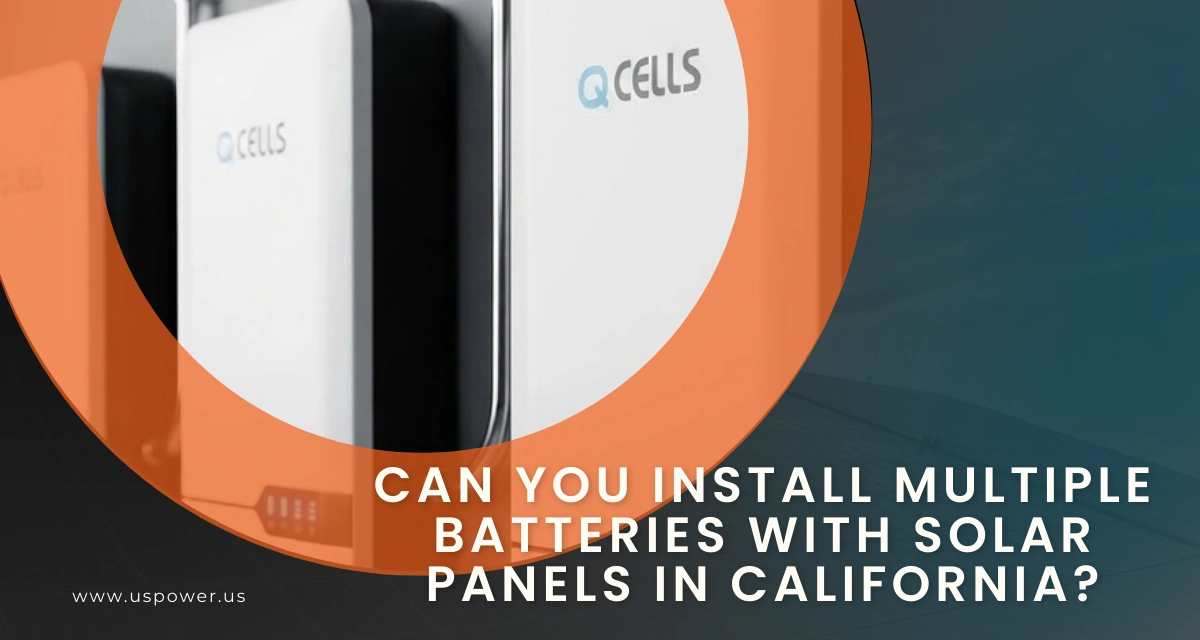
QCells Q.HOME CORE battery storage reveals a battery designed for simplicity and reliability rather than proprietary complexity.
Optimized for NEM 3.0
The Q.HOME CORE was engineered with California's net billing structure in mind. The system's intelligent software automatically:
- Charges during low-cost periods or peak solar production
- Discharges during expensive evening peak rates
- Adjusts based on your utility's time-of-use schedule
- Provides backup power during outages
This isn't theoretical—the system actively manages your energy to maximize savings under NEM 3.0's challenging economics.
Scalable Without Lock-In
Need more storage capacity? QCells batteries can be expanded without forcing you into proprietary components. The system integrates with industry-standard equipment, giving you flexibility as your energy needs evolve.
Superior Warranty Protection
QCells backs their batteries with comprehensive warranty coverage that protects your investment. Unlike situations where homeowners report minimal manufacturer support, QCells maintains an established service network and reputation for standing behind their products.
Straightforward Installation
CSLB-licensed technicians can install Q.HOME CORE systems without specialized proprietary training. This means more qualified installers, faster service if needed, and lower installation costs compared to complex systems like the PWRcell.
Why US Power Recommends QCells Battery Solutions
As Southern California's exclusive QCells partner, US Power has installed hundreds of battery systems across Los Angeles, Orange County, Ventura, San Bernardino, and Riverside. Our experience consistently shows QCells batteries outperforming competitors in reliability, customer satisfaction, and long-term savings.
Factory-Direct Pricing Advantage
Our direct partnership with QCells eliminates distributor markups. You get American-made solar panels and batteries at 15-20% below typical market prices—without sacrificing quality or service. This pricing advantage is particularly important for battery storage, where costs can easily exceed $15,000-$20,000 for competing systems. Discover why QCells is the smartest home solar choice when you need expensive energy storage to maximize NEM 3.0 savings.
Comprehensive 25-Year Warranty
US Power stands behind every installation with a 25-year warranty covering panels, workmanship, and performance. This goes far beyond the industry standard and provides peace of mind other installers simply can't match.
When you're making a $20,000-$40,000 investment in solar and battery storage, knowing your installer will be around to honor warranties matters tremendously.
Local Installation and Support
Unlike national chains that subcontract installation work, US Power uses our own CSLB-licensed crews for every project. When you have questions or need service, you're talking to the same team that installed your system—not a call center three states away.
Proven NEM 3.0 Expertise
We've guided hundreds of Southern California homeowners through the transition to NEM 3.0. We understand SCE's rate structures, optimal system sizing for net billing, and how to maximize your solar investment under California's new rules.
Comparing Popular Battery Brands: How They Stack Up
Understanding where Generac PWRcell fits in the broader battery market helps explain why Southern California homeowners are choosing alternatives.
Tesla Powerwall 3
Tesla's latest battery offers 13.5 kWh capacity with integrated inverter technology. It's become popular for good reason—sleek design, strong brand recognition, and decent performance.
Advantages: High power output (11.5 kW continuous), integrated inverter reduces component count, established brand.
Considerations: Long wait times for installation, service can be challenging in some areas, higher price point than QCells options.
Enphase IQ Battery 10C
Enphase is known for microinverters, and their modular battery approach offers flexibility. The IQ Battery 10C provides 10 kWh per unit with excellent warranty coverage (15 years).
Advantages: Modular expansion, seamless integration with Enphase solar systems, strong customer service.
Considerations: Requires Enphase ecosystem, takes more wall space than single-unit designs, premium pricing for equivalent capacity.
QCells Q.HOME CORE
QCells brings their solar panel engineering excellence to battery storage with systems designed for reliability and NEM 3.0 optimization.
Advantages: Factory-direct pricing through US Power, LFP chemistry for safety and longevity, straightforward installation, comprehensive warranty, optimized for California net billing.
Considerations: Newer to the battery market compared to Tesla (though QCells has decades of solar experience).
Generac PWRcell
Leveraging their generator reputation, Generac entered the solar battery market with modular capacity options.
Advantages: Modular design allows 9-18 kWh configurations, familiar brand name for generator customers.
Considerations: Reported reliability issues, proprietary system complexity, limited support network, higher failure rates reported by installers and homeowners.
Reading the pros and cons of today's solar batteries provides additional context for evaluating these options based on your specific needs.
Real Southern California Homeowner Experiences
The difference between battery brands becomes clear when you look at real-world experiences from Los Angeles, Orange County, and Ventura County homeowners.
The Generac Disappointment
A Pasadena homeowner invested in a complete Generac PWRcell system expecting reliable backup power during Santa Ana wind season outages. Within eight months, the system began experiencing the grid frequency detection issue. After multiple service calls and a component replacement, the problem persisted.
The homeowner eventually replaced the entire system with QCells batteries. "I should have researched more before buying based on the Generac generator reputation," they shared. "The battery business is completely different, and they haven't figured it out."
The QCells Success Story
A Sherman Oaks family installed a QCells solar and battery system through US Power in early 2024. Their SCE bills dropped from $380/month to under $50, and they've experienced zero downtime or service issues.
During a planned outage for SCE maintenance, their battery seamlessly powered essential loads for six hours. "We didn't even realize the grid was down until our neighbor mentioned it," the homeowner said. "The system just works."
NEM 3.0 Savings Realized
An Orange County homeowner with a QCells battery system shared their first year under NEM 3.0. By storing midday solar production and discharging during 4-9 PM peak rates, they're offsetting 85% of their electricity costs despite the reduced export credits.
"The battery makes all the difference," they explained. "Without it, we'd be selling solar cheap during the day and buying expensive grid power at night. Now we use our own energy when it's worth the most."
Making the Smart Choice for Your Southern California Home
Battery storage isn't optional anymore under NEM 3.0—it's essential for maximizing your solar investment. But choosing the wrong battery brand can turn your clean energy dream into a reliability nightmare.
The feedback from solar professionals and homeowners about Generac PWRcell systems is consistent: overly complex, prone to issues, and lacking adequate support. When installers refuse to take these systems even for free, that tells you everything you need to know about real-world reliability.
QCells batteries offer what Southern California homeowners actually need: proven engineering, straightforward installation, local support, and performance optimized for California's net billing structure. Combined with US Power's factory-direct pricing and 25-year comprehensive warranty, you get the reliability and value that makes solar and battery storage worth the investment.
Your electricity bills won't stop climbing. SCE rates continue increasing every year, and NEM 3.0's reduced export credits mean battery storage is the key to controlling your energy costs. Don't let an unreliable battery system undermine your solar investment.
US Power has installed solar and battery systems for hundreds of Southern California families who now enjoy drastically lower electricity bills and reliable backup power. Our 180+ five-star Google reviews reflect the quality, transparency, and service that keeps homeowners recommending us to their neighbors.
Schedule your free consultation today and discover how QCells batteries and US Power's expertise can deliver the energy independence you deserve—without the reliability headaches that come with inferior battery brands.
Frequently Asked Questions
Should I avoid Generac PWRcell batteries entirely?
How much do QCells batteries cost compared to Generac?
Can I add a battery to my existing solar system?
How long do QCells batteries last?
What happens if my battery needs service?


California SGIP Rebates for Home Batteries
Up to $1,100 per kWh in rebates for eligible SoCal homeowners installing batteries.

Pros & Cons of Today’s Solar Batteries: A Guide for Homeowners
Weigh the benefits and drawbacks of each solar battery to maximize energy savings.
Can You Install Multiple Batteries with Solar Panels in California?
One battery isn't always enough for Southern California homes. Here's the truth.








Copyright © 2025 US Power - Axia by QCells. All Rights Reserved.

Get an instant solar estimate using satellite!