




Complete Guide to Solar Panel Size

Understand 60-cell, 72-cell, and half-cut solar panel sizes, their wattage, and roof requirements. Optimize your Southern California home’s energy system today.

Switching to solar can feel overwhelming, especially when it comes to understanding solar panel sizes and what will fit on your roof. Questions like “How many panels do I need?”, “Will my roof support them?”, and “Which dimensions and wattage are right for my home?” are common. This complete guide to solar panel size breaks it all down for residential solar in Southern California — so you can make an informed decision with confidence.
We’ll cover standard solar panel sizes, dimensions, wattage, and factors that affect your home’s energy output — all while explaining why QCells panels paired with US Power can maximize savings, efficiency, and reliability.
Understanding Residential Solar Panel Sizes
Most homeowners don’t think about panel size in terms of inches, but the number of cells in a solar panel largely determines the dimensions and output. The most common residential solar panels use either 60-cell or 72-cell configurations.
60-Cell Solar Panels — Standard for Residential Homes
- Typical dimensions: about 65 inches x 39 inches (5.5 ft x 3 ft)
- Weight: approximately 40–45 lbs
- Wattage: usually 350–400 watts per panel
- Pros: fits smaller roofs, easier installation, less risk of damage
- Cons: lower output per panel, so more panels may be needed
72-Cell Solar Panels — Higher Output, Slightly Larger
- Typical dimensions: about 77–80 inches x 39 inches (6.5 ft x 3 ft)
- Weight: around 50 lbs per panel
- Wattage: typically 415–460 watts
- Pros: higher output per panel, potentially lower cost per watt
- Cons: larger and heavier, may not fit smaller roof segments
Some newer residential solar panels use half-cut cells, which essentially double the number of cells (120–144) without significantly increasing size. These panels maximize efficiency while keeping dimensions manageable for homes with limited roof space.
Why Solar Panel Size Isn’t the Only Factor
While panel size and dimensions are important, homeowners often overlook other critical aspects of residential solar panels:
Efficiency
Solar panel efficiency measures how much sunlight is converted into usable electricity. Modern panels range from 17% up to 22.8% for high-end models. Higher efficiency means fewer panels are needed to achieve the same wattage, saving roof space and reducing installation costs.
Wattage
Each solar panel’s wattage contributes to your overall residential solar system output. A 6 kW system might require 15 panels with high-efficiency QCells panels, while older panels could require 18–20 to reach the same output. For more details, see how to size solar panels and batteries for EV owners.
Warranties
Most quality panels, like QCells, offer:
- Product warranty: typically 12–25 years, covering defects
- Performance warranty: guarantees minimum output (often 80–92% at year 25)
Brand and Reliability
Working with a trusted solar installer, like US Power, ensures you get high-quality residential solar panels with verified dimensions, wattage, and durability — essential for long-term energy production.
How Much Space Do Residential Solar Panels Take?
The number of solar panels needed depends on:
- Your home’s monthly and annual energy use
- Roof sunlight exposure
- Panel wattage and efficiency
For most Southern California homes:
- A 6–7 kW system often requires 15–18 standard panels
- Roof space needed: 260–340 sq ft
- Total system weight: typically 700–1,000 lbs, depending on panel size
Smaller or high-efficiency QCells solar panels can reduce the total number of panels, saving space and maintaining structural safety for residential roofs.
Wattage, Dimensions, and System Design
Choosing the right solar panel size goes beyond physical dimensions. Let’s break it down:
Residential solar panels with higher wattage and efficiency can produce more energy per panel, reducing total panel size requirements — a big plus for smaller roofs.
Roof Considerations: Weight and Safety
While panel dimensions and wattage matter, so does weight. Typical residential solar panels weigh 40–50 lbs, with a full system adding 700–1,000 lbs to your roof. Most modern roofs can safely handle this, but:
- Older roofs may need reinforcement or replacement
- A professional inspection ensures your roof can support the system
- Correct layout and spacing can help distribute the weight evenly
US Power provides structural assessments to confirm your roof can safely support your residential solar system.
The Role of Battery Storage in Residential Solar
With new California policies (NEM 3.0), battery storage is increasingly valuable:
- Allows you to store excess energy for evening use
- Reduces reliance on the grid and maximizes energy savings
- Improves system ROI by capturing solar energy that might otherwise be undervalued
QCells-compatible batteries integrate seamlessly with residential solar panels, ensuring energy independence and long-term cost savings.
How Many Solar Panels Do You Need?
Determining the right number of residential solar panels requires considering:
- Monthly energy usage (in kWh)
- Panel wattage and efficiency
- Roof space and orientation
Example for an average Southern California home:
High-efficiency QCells panels can often reduce the number of panels needed, saving roof space and reducing installation complexity.
Tips for Choosing the Right Residential Solar Panels
- Work with a certified installer like US Power to match your roof, energy usage, and goals.
- Consider panel efficiency and wattage — more efficient panels require fewer units.
- Check dimensions and weight — ensure your roof can support the system.
- Factor in battery storage to maximize your energy independence.
- Look at warranties and reliability — QCells panels offer strong guarantees for long-term confidence.
Why 2025 May Be the Smartest Year to Switch
For homeowners in Southern California, solar is no longer just about “going green.” In 2025, it’s about smart financial planning, energy independence, and long-term stability.
With the combination of high-efficiency Qcells panels, attractive incentives (federal tax credit, SGIP battery rebates), and the evolving economics under NEM 3.0, a well-designed solar + battery system can pay for itself in under a decade — then deliver decades of near-free electricity, potential protection from rate hikes, and resilience against power outages.
If you’ve been on the fence, now may be the moment to act. At US Power, we make it easy — from roof assessment to panel installation — and help you lock in savings before 2025 ends.
Ready to see how much you can save? Schedule for a free solar + battery consultation and take the first step toward energy independence.
Frequently Asked Questions
Does solar panel size matter?
Yes, solar panel size matters for roof space and installation planning. Larger panels usually produce more electricity, but efficiency, wattage, and the number of panels also impact your system’s performance. High-efficiency panels can generate the same energy with fewer units, saving roof space.
What is the size of each solar panel?
Most residential solar panels are either 60-cell or 72-cell:
- 60-cell panels: ~65 x 39 inches (5.5 ft x 3 ft), 350–400 W
- 72-cell panels: ~77–80 x 39 inches (6.5 ft x 3 ft), 415–460 WNewer half-cut cell panels (120–144 cells) maximize efficiency without much size increase.
How do I calculate solar panel size?
To calculate the number of panels you need:
- Determine your monthly energy usage (kWh)
- Divide by the wattage of your chosen panels
- Factor in efficiency and roof spaceFor example, a 6 kW system using high-efficiency panels might need 15 panels to meet average Southern California energy usage.
What size are standard solar panels?
Standard residential panels typically fall into these ranges:
- 60-cell panels: ~65 x 39 inches
- 72-cell panels: ~77 x 39 inchesHalf-cut cell panels may vary slightly but are generally similar in footprint.
Which solar panel size is best?
The best solar panel size depends on your roof space, energy needs, and budget. For smaller roofs, 60-cell or high-efficiency half-cut panels are ideal. Larger panels, like 72-cell, can reduce the number of units but require more roof space. Partnering with a certified installer like US Power ensures the right panel type and layout for maximum energy and savings.
Frequently Asked Questions


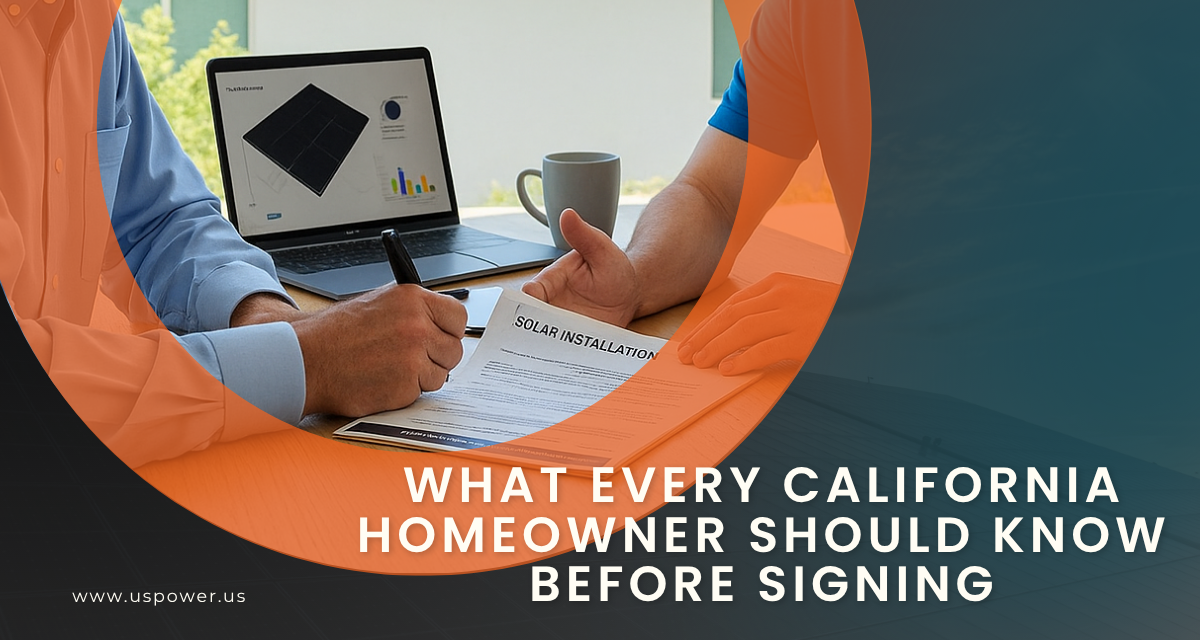
What Every California Homeowner Should Know Before Signing
The 30% solar credit ends soon — don’t sign blind. We are here to help you switch!
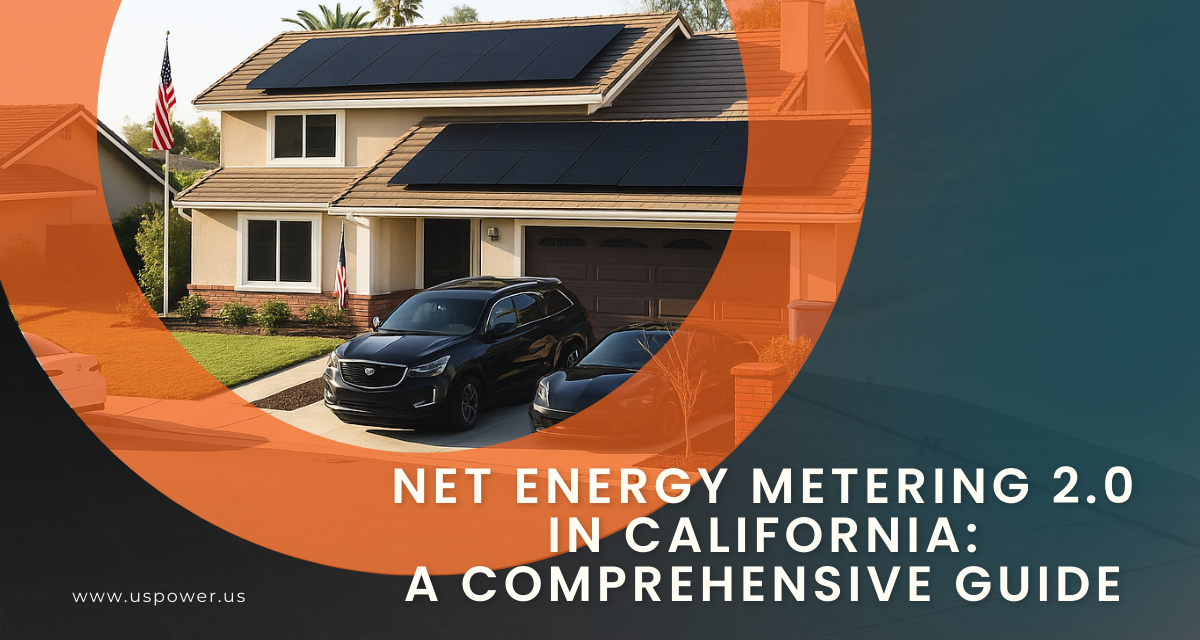
Net Energy Metering 2.0 California: A Comprehensive Guide
Understand California’s NEM 2.0 and how it affects homeowner's solar energy savings.

A Southern California Homeowner's Guide to Avoiding Overpaying
Getting solar quotes that differ by thousands of dollars? You're not alone.








Copyright © 2025 US Power - Axia by QCells. All Rights Reserved.

Get an instant solar estimate using satellite!