



Can Solar Panels Handle Snow and Ice? 2026 Facts for CA Homes
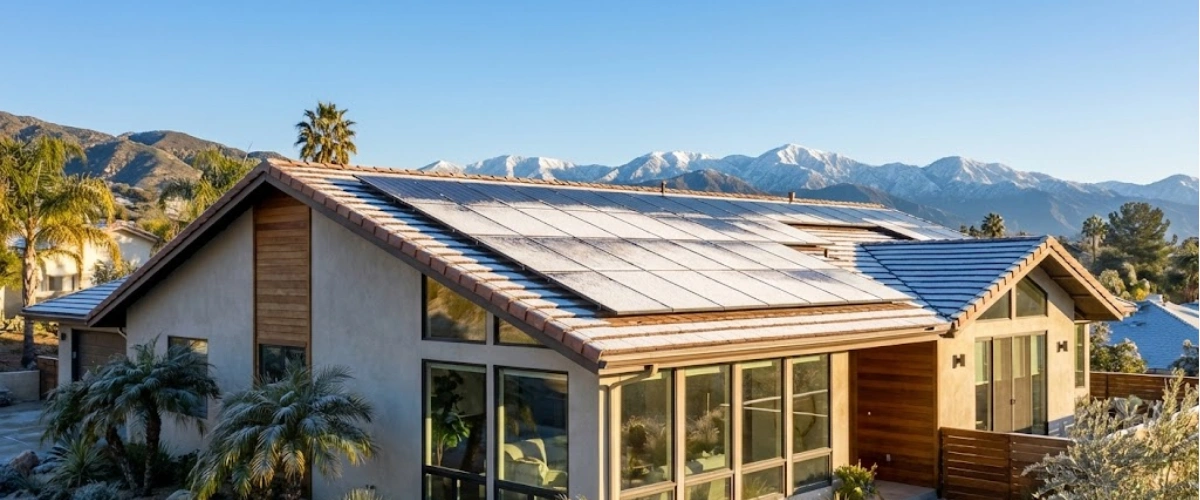
Most solar panels can handle 112+ lbs per square foot—that's equivalent to 7 feet of snow. But in Southern California, wind and earthquake loads are actually bigger concerns than snow.
If you've been reading Reddit threads or solar forums lately, you've probably seen homeowners panic about roof damage from solar panels. One recent post caught everyone's attention: a homeowner with 51 panels facing back-to-back snowstorms, worried their roof might collapse under the combined weight.
Here's the truth that might surprise you: snow is rarely the problem. And if you're a Southern California homeowner, you're worrying about the wrong thing entirely.
Let's clear up the confusion about solar panel weight, structural loads, and what really matters when it comes to protecting your roof and your investment.
Are Solar Panels Too Heavy for Your Roof?
The short answer? Almost never.
A typical residential solar panel weighs between 40-46 pounds. An average home system needs 15-21 panels, which translates to roughly 600-840 pounds of total panel weight. That sounds like a lot until you understand how roofs actually work.
Most residential roofs in California are designed to handle at least 20 pounds per square foot of live load. Solar panels add only 3-4 pounds per square foot when properly distributed. Your roof's structural capacity has significant built-in safety margins.
Think about it this way: when you have a dozen people standing on your roof during installation, that's far more concentrated weight than solar panels will ever create. The installers don't fall through, and neither will your panels.
What About Commercial Panels vs Residential Panels?
This was the Reddit poster's main concern—their installer mistakenly used commercial-grade panels instead of residential ones. Commercial panels are larger and heavier, but here's the catch: you need fewer of them to generate the same power.
A 72-cell commercial panel might weigh 50-55 pounds versus a 60-cell residential panel at 40 pounds. But to get the same 10kW system, you'd need 25-28 residential panels versus 20-22 commercial panels. The total system weight often balances out.
The real issue isn't weight—it's whether your structural integrity of your roof can handle the mounting hardware and whether your installer properly assessed the load distribution. When choosing the best solar panels for your home, understanding these differences helps you make informed decisions.
How Much Weight Can Solar Panels Actually Handle?
Here's where the snow panic comes from: people see numbers like "112 pounds per square foot" and assume their panels will crack under pressure. But that's the panel's capacity, not its breaking point.
Most modern solar panels are rated for 113-125 psf maximum snow load. To put that in perspective, one foot of fresh snow weighs about 5-10 pounds per square foot. Wet, heavy snow weighs 15-20 psf. You'd need approximately 7 feet of snow accumulation before reaching the panel's rated capacity.
The Real Structural Challenge Isn't Static Weight
Wind uplift creates far more stress on solar installations than static loads ever will. In Southern California, earthquakes and high winds are the primary structural concerns, not snow accumulation.
During Santa Ana wind events, gusts can exceed 60 mph. The racking system must resist uplift forces that try to literally pull the panels off your roof. That's why proper engineering and installation matter so much more than panel weight.
Professional solar installation isn't just about avoiding mistakes—it's about ensuring your system can withstand decades of environmental stress.
What QCells Panels Can Handle
QCells panels are rated to handle both static and dynamic loads that far exceed what you'll encounter in most California climates. QCells panels meet IEC 61215 standards, which require:
- Snow load capacity: 5,400 Pa (equivalent to 112.7 psf)
- Wind load resistance: 2,400 Pa in both directions
- Hail impact: 25mm ice balls at 23 m/s
These aren't just numbers—they're real-world performance requirements tested in extreme conditions you'll never see in Los Angeles or Orange County.
Ice Dams: The Real Culprit Behind Winter Roof Damage
Back to that Reddit thread: the homeowner noticed ice dams forming in the valleys of their roof. Multiple commenters correctly identified this as an insulation problem, not a solar panel problem.
Ice dams form when heat escapes through your roof, melting snow that then refreezes at the cold roof edge. This process happens whether you have solar panels or not. In fact, panels can sometimes reduce ice dam formation by keeping sections of your roof cooler.
The Insulation Factor
Poor roof insulation creates the conditions for ice dams, not solar panel installation. If you're experiencing ice dams after going solar, the panels didn't cause them—they revealed a pre-existing insulation deficiency.
This is particularly relevant for California mountain homes in areas like Big Bear, Wrightwood, or Lake Arrowhead. Before going solar, address:
- Attic insulation levels (R-38 minimum in mountain zones)
- Air sealing around penetrations
- Proper soffit and ridge ventilation
These same factors affect your home's energy efficiency year-round. Better insulation means your solar panels offset more of your heating and cooling costs.
Understanding what you must know before going solar in California before installation saves you from costly surprises down the road.
What About Wind and Earthquake Loads in California?
Let's talk about the loads that actually matter for Southern California homes.
Wind Loads
Coastal areas face sustained winds during storm systems. Inland valleys experience Santa Ana winds that can gust over 70 mph. Your solar installation must resist these forces for 25+ years.
Proper engineering considers:
- Local wind speed requirements (typically 90-110 mph design wind speed)
- Exposure category of your site
- Roof geometry and edge conditions
- Attachment methods to roof structure
US Power works exclusively with QCells, which provides engineered mounting solutions specifically tested for California wind zones. The racking system, not the panels themselves, determines wind resistance.
Seismic Considerations
California building codes require solar installations to withstand seismic forces. The panels are relatively lightweight and flexible, so they typically fare better in earthquakes than you might expect.
The mounting system must account for:
- Seismic design category of your location
- Roof attachment points and spacing
- Component importance factor
Extreme weather conditions from earthquakes to extreme heat, and proper installation accounts for all of these factors.
Why You Shouldn't Remove Snow From Panels Yourself
One commenter on the Reddit thread suggested using a roof rake to clear snow. Another person correctly warned against it—here's why.
Solar panel glass is tempered and tough, but it's not indestructible. Scraping, raking, or using hard tools can:
- Scratch the anti-reflective coating
- Crack the glass surface
- Damage the frame or mounting hardware
- Create micro-cracks that reduce panel efficiency
More importantly, you shouldn't be on a snowy roof. Falls from roofs cause serious injuries every winter. It's not worth the risk, especially since panels are designed to handle snow loads.
In the rare California mountain snowstorm, panels typically shed snow naturally within a day or two as temperatures rise. The dark glass absorbs sunlight, creating a thin melt layer that allows snow to slide off.
If you must clear snow (which you almost never need to do), use a soft-bristled snow broom from ground level. Better yet, just wait. One or two days of reduced production won't significantly impact your annual energy generation or savings.
What US Power Does Differently: Engineering That Matters
The Reddit homeowner's story highlights a common problem: installers who cut corners or lack proper expertise. They were "backed into a corner" by timeline pressure and ended up with commercial panels they didn't request.
This never happens with US Power because we control the entire process from consultation to activation.
CSLB-Licensed Consultants
Every US Power consultant holds a California Contractors State License Board (CSLB) license. This isn't just a credential—it means they have the knowledge to properly assess structural requirements, building codes, and installation specifications.
When you work with US Power, you get:
- Structural load calculations performed by licensed professionals
- Engineered mounting solutions specific to your roof type
- Proper permitting through LA County, Orange County, Ventura, San Bernardino, and Riverside jurisdictions
- Building code compliance guaranteed
Factory-Direct QCells Partnership
We're California's exclusive factory-direct QCells partner. This eliminates the distributor markup and ensures you get genuine American-made panels with full manufacturer support.
More importantly, we know these panels inside and out:
- Exact weight specifications for load calculations
- Mounting requirements for California climates
- Performance characteristics in various conditions
- Warranty support and service procedures
Choosing the right solar company means working with experts who won't install the wrong panels or cut corners to meet arbitrary deadlines.
3-6 Week Installation Timeline
We don't rush. We don't pressure you. Our typical timeline from contract signing to Permission to Operate (PTO) is 3-6 weeks, but we prioritize doing it right over doing it fast.
This includes:
- Comprehensive site assessment
- Engineered system design
- Permit acquisition
- Professional installation
- Inspection and PTO
Unlike many solar companies that overpromise and underdeliver, we set realistic expectations and consistently meet them. Our 180+ five-star Google reviews reflect this commitment to quality over speed.
Get Your Roof Evaluated Before Installation
Whether you're in a mountain area concerned about snow loads or a coastal area facing wind exposure, the time to assess your roof is before signing a solar contract, not after panels are already installed.
What a Proper Roof Assessment Includes
A professional evaluation should examine:
- Roof age and remaining lifespan
- Structural capacity for additional loads
- Sheathing condition and attachment points
- Roof pitch and orientation
- Shading from trees or structures
- Access for installation and maintenance
If your roof needs replacement or repair, it's far more cost-effective to handle that before going solar. Removing and reinstalling panels later can cost $3,000-$5,000 depending on system size.
The US Power Assessment Process
When you schedule your free consultation, our CSLB-licensed consultant:
- Reviews your electricity usage and utility bills
- Conducts an on-site or virtual roof evaluation
- Assesses structural factors and potential obstacles
- Designs a system optimized for your specific conditions
- Provides transparent pricing with no hidden fees
This thorough approach prevents problems like the Reddit homeowner experienced. You'll never be surprised by panel types, installation issues, or structural concerns.
Stop Worrying and Start Saving
The Reddit homeowner worried themselves sick over something that turned out to be a non-issue. Their roof was fine. The panels were fine. The real problem was an installer who didn't communicate clearly and rushed the process.
Don't let fear of the unknown stop you from making a smart financial decision. Solar panels are engineered to withstand far more than they'll ever face on a Southern California roof.
It all comes down to working with professionals who:
- Perform proper structural assessments
- Use quality materials and mounting systems
- Follow California building codes to the letter
- Stand behind their work with comprehensive warranties
- Communicate clearly throughout the process
US Power checks every one of these boxes. Our factory-direct partnership with QCells, combined with our team of CSLB-licensed professionals, ensures your installation is done right the first time.
Rising SCE and PG&E rates aren't going away. Every month you delay costs you money in utility bills you could be avoiding. The 30% federal tax credit ends December 31, 2025—after that, it drops to 26%, then 22%, then disappears entirely.
Your roof can handle solar panels. The question is: can you afford to keep paying rising electricity rates?
Ready to take control of your energy costs? Schedule your free consultation with US Power today. No pressure, no gimmicks—just honest answers from licensed professionals who know California solar inside and out.
Frequently Asked Questions
How much weight do solar panels add to my roof?
Can my tile roof support solar panels?
Do I need to reinforce my roof for solar panels?
Will solar panels void my roof warranty?
How do I know if my roof is strong enough for solar panels?


Homeowner’s Guide to Going Solar in California
California homeowners learn incentives, permitting & costs for going solar now.
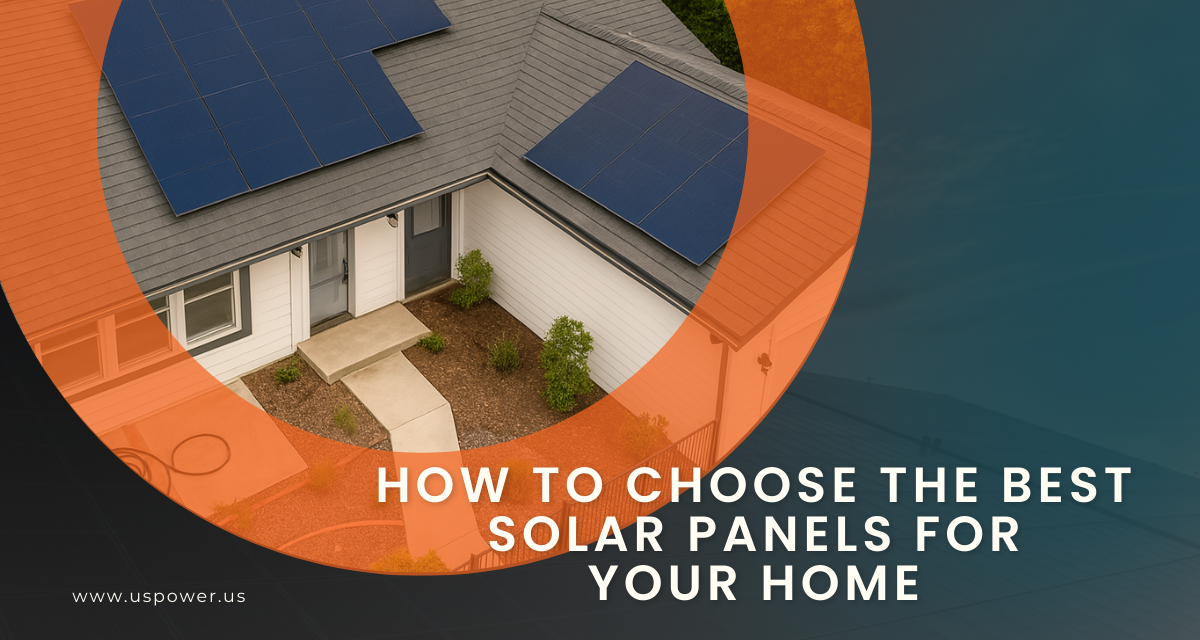
How to Choose the Best Solar Panels for Your Home
Compare efficiency, durability, and cost to select the right solar panels for you.

Do Solar Panels Still Save Money on Cloudy Days?
Learn how solar panels generate savings even when skies are gray and cloudy.








Copyright © 2025 US Power - Axia by QCells. All Rights Reserved.

Get an instant solar estimate using satellite!