




What Causes Solar Inverters to Fail? The Real Reasons

After replacing hundreds of inverters across Southern California, we've seen every failure mode imaginable. The truth? Most inverter failures aren't random—they're predictable, preventable, and often caused by the same handful of issues that installers rarely talk about.
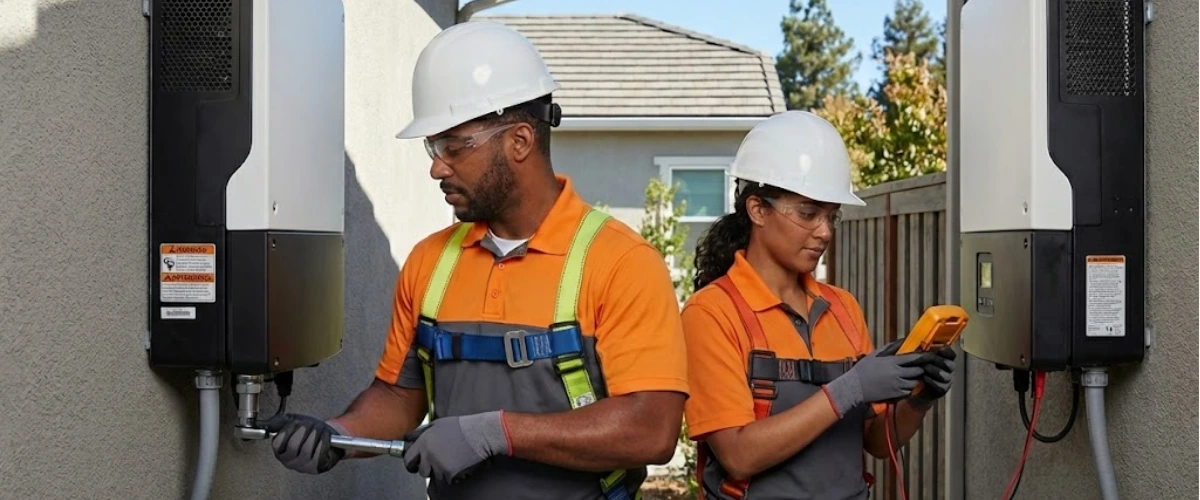
Your solar panels might last 25+ years, but your inverter? That's a different story. After replacing hundreds of inverters across Southern California, we've identified the exact patterns that lead to premature failure—and most of them are completely preventable.
The average inverter is designed to last 10-15 years, but we're seeing failures as early as 3-5 years in some systems. The culprit isn't always poor manufacturing. More often, it's a combination of environmental stress, improper installation, and design choices that were wrong from day one.
Heat: The Silent Inverter Killer in Southern California
California's intense summer heat is the number one factor that shortens inverter lifespan. When temperatures inside your inverter exceed 150°F, electronic components start degrading rapidly. We've measured attic-mounted inverters reaching 170°F+ on peak summer days.
String inverters mounted in direct sunlight or poorly ventilated spaces work overtime to cool themselves. This constant thermal stress weakens capacitors, degrades solder joints, and accelerates component failure. Your inverter's cooling fans run more frequently, wear out faster, and eventually fail—leaving the unit vulnerable to catastrophic overheating.
The worst installations we've seen? Inverters mounted on south-facing exterior walls with zero shade protection, or tucked into attics with inadequate ventilation. These units rarely make it past their 5-year mark. Proper installation practices make all the difference in inverter longevity.
Voltage Spikes and Grid Instability
California's aging electrical grid creates voltage fluctuations that stress inverter components. Every time the grid voltage spikes or sags, your inverter works to regulate power output. These constant adjustments wear down sensitive electronics faster than normal operation.
Lightning strikes and utility switching operations create particularly damaging voltage transients. Even if your home isn't directly hit, nearby strikes can send surges through the grid that fry inverter circuitry. We've replaced dozens of inverters after major storm events across LA and Orange County.
Power quality issues are especially common in older neighborhoods with outdated infrastructure. If your lights flicker regularly or you've experienced multiple power outages, your inverter is fighting an uphill battle. Understanding how your solar system interacts with the grid helps you anticipate and prevent these issues.
The Hidden Cost of Cheap Surge Protection
Many installers skimp on quality surge protection to save a few hundred dollars. This is a massive mistake. A $300 surge protector can save you from a $2,500 inverter replacement. We've seen entire systems destroyed because the installer used bargain-basement surge protection that failed during the first significant voltage event.
Quality surge protection devices (SPDs) should be rated for at least 20kA and include indicator lights that show when protection is compromised. If your system doesn't have proper surge protection, you're gambling with thousands of dollars in equipment.
Humidity and Moisture Infiltration
Coastal Southern California homes face a unique challenge: salt air and humidity. Even small amounts of moisture inside an inverter enclosure cause corrosion, short circuits, and catastrophic failure. We've opened inverters from coastal areas and found extensive corrosion on circuit boards after just 3-4 years.
Condensation forms when hot inverters cool down overnight. If the enclosure isn't properly sealed, this moisture accumulates over time. Add in California's occasional rainstorms, and you have a recipe for water damage. Poorly installed conduit connections are common entry points for moisture.
Garages are particularly problematic installation locations. Temperature swings, humidity from wet vehicles, and poor ventilation create the worst possible environment for electronics. Choosing the right location during installation is critical for long-term reliability.
Oversized Systems and Continuous High-Output Operation
Here's something most installers won't tell you: running your inverter at maximum capacity constantly shortens its life. Systems that are poorly designed to regularly operate at 95-100% of inverter capacity generate excessive heat and stress components beyond their intended duty cycle.
We see this frequently with aggressive sales tactics that promise maximum production. A 10kW inverter constantly running at 9.8kW will fail much faster than one operating at 70-80% capacity. The extra production isn't worth the premature replacement costs.
Proper system design includes inverter sizing with 15-20% headroom. This allows for peak production without pushing equipment to its limits. Understanding residential solar system sizing helps you avoid this expensive mistake.
Poor Installation Practices That Guarantee Failure
The quality of your installation matters more than the brand of inverter you choose. We've seen premium inverters fail in 2 years due to installation errors, while budget units last 12+ years when installed correctly.
Common installation mistakes include inadequate wire sizing, loose connections, improper grounding, and skipped torque specifications. These create resistance, heat buildup, and arcing that destroy inverters from the inside out. One loose connection can cause a cascading failure that takes out your entire system.
Conduit installation matters too. Exposed wiring, improper bends, and inadequate protection from the elements all contribute to premature failure. Finding qualified solar installers who follow proper protocols is essential.
The DC Disconnect Problem
Improperly installed DC disconnects are a leading cause of inverter failure. When these switches aren't torqued to specification, they create high-resistance connections that generate heat. Over time, this heat damages the disconnect and sends voltage irregularities downstream to your inverter.
We've measured DC disconnect temperatures exceeding 200°F due to loose connections. This is a fire hazard and an inverter killer. Every connection point in your system should be torqued to manufacturer specifications and inspected regularly.
String Inverters vs. Microinverters: Reliability Differences
String inverters concentrate all power conversion in one location, making them vulnerable to single-point failures. When your string inverter dies, your entire system goes offline until it's replaced. This is the traditional approach, but it comes with risks.
Microinverters distribute the conversion load across multiple units, one per panel. If a single microinverter fails, you lose production from just one panel instead of your entire array. However, microinverters face their own challenges—they're mounted on your roof, exposed to extreme temperatures and weather.
The reliability debate depends on your specific situation. Hot attics favor microinverters. Shaded roofs benefit from microinverter technology. Clean, cool indoor installations favor string inverters with proper sizing. Choosing the right solar technology for your home requires careful analysis.
Component Quality and Manufacturing Defects
Not all inverters are created equal. Budget inverters use cheaper capacitors, lower-grade semiconductors, and less robust cooling systems. These components fail faster under California's demanding conditions.
Premium manufacturers like SMA, SolarEdge, and Enphase invest heavily in component quality and thermal management. Their inverters cost more upfront but last longer and require fewer warranty replacements. The five-year price difference often disappears when you factor in replacement costs.
Manufacturing defects happen even with reputable brands. We've seen batch failures where entire production runs had faulty components. This is why warranty coverage matters. A 10-year warranty is standard, but some manufacturers now offer 25-year coverage. QCells systems include comprehensive warranty protection that covers both panels and power electronics.
Warning Signs Your Inverter Is Failing
Most inverters don't fail suddenly—they give you warning signs first. Unusual sounds like buzzing, humming, or clicking indicate internal component stress. Your inverter should run quietly. Any audible noise deserves immediate attention.
Error codes and fault messages appear more frequently as inverters age. Don't ignore these warnings. They're your inverter telling you something is wrong. Common fault codes indicate overheating, ground faults, or communication errors that will worsen if left unaddressed.
Production drops are the most obvious sign. If your system is generating 20-30% less power than normal (accounting for weather), your inverter may be failing. Monitor your system performance to catch issues early.
Physical signs include discoloration around ventilation openings, burning smells, or excessive heat radiating from the enclosure. These indicate serious problems that require immediate professional inspection. Don't wait until complete failure—catching issues early can prevent secondary damage to other system components.
How to Prevent Premature Inverter Failure
Prevention starts with proper installation. Ensure your inverter is mounted in a cool, dry, well-ventilated location away from direct sunlight. Indoor installations in climate-controlled spaces dramatically extend lifespan compared to outdoor or attic installations.
Regular maintenance keeps inverters running longer. Clean cooling fans and ventilation openings annually. Inspect all connections for tightness and corrosion. Check surge protection devices and replace them if indicators show failure. These simple steps prevent 70% of premature failures.
System design matters as much as maintenance. Properly sized inverters with adequate headroom, quality surge protection, and appropriate wire sizing create a foundation for reliability. Professional solar installation services ensure these fundamentals are covered from day one.
Consider extended warranties for critical components. While standard warranties cover manufacturing defects, extended coverage protects against wear and tear. The cost is minimal compared to out-of-warranty replacement expenses.
The Real Cost of Inverter Replacement
Replacing a residential string inverter costs $2,000-$4,000 including labor. Microinverter replacements run $300-$500 per unit. If you need multiple microinverters replaced, costs add up quickly. These expenses come without warning and often when you can least afford them.
Lost production during downtime adds to your costs. If your system is offline for two weeks waiting for parts and installation, you're paying full retail rates to your utility. This can add another $200-$400 to your total expense depending on your consumption.
The hidden cost? Opportunity cost. Money spent replacing failed equipment is money that could have been saved or invested elsewhere. Choosing quality from the beginning prevents these unexpected expenses.
Why Quality Installation Prevents Most Failures
After analyzing hundreds of inverter failures, one pattern emerges: most premature failures trace back to installation quality. The installers who rush jobs, skip steps, and cut corners create systems destined to fail early.
Quality installers take extra time on critical details. They torque every connection, test surge protection, verify proper ventilation, and document everything. They understand that saving 30 minutes during installation can cost homeowners thousands of dollars years later.
CSLB licensing ensures installers meet minimum competency standards, but licensing alone doesn't guarantee quality. Look for installers with extensive experience, manufacturer certifications, and proven track records. US Power's installation standards exceed industry minimums because we know our reputation depends on long-term reliability.
What to Do When Your Inverter Fails
When your inverter dies, act quickly. Every day of downtime costs you money in utility bills. Contact your installer immediately if you're still under warranty coverage. Most manufacturers require installation company involvement for warranty claims.
Document everything. Take photos of error messages, note when issues started, and keep records of your system's performance history. This documentation supports warranty claims and helps technicians diagnose problems faster.
Get multiple replacement quotes if you're out of warranty. Prices vary significantly between installers. Be wary of anyone pushing complete system replacement when only the inverter needs attention. However, if your inverter is 10+ years old and your panels are aging, upgrading your entire system might make more financial sense.
The Bottom Line on Inverter Reliability
Inverter failures aren't inevitable, but they are predictable. Heat, voltage issues, moisture, poor installation, and component quality account for 90% of premature failures. Understanding these factors helps you prevent problems before they cost you thousands.
Your best protection is choosing a quality installer who understands these failure modes and designs systems to avoid them. Don't let anyone convince you that inverter replacement is just "part of owning solar." With proper design and installation, your inverter should last 12-15 years minimum.
California's climate is hard on solar equipment, but it's not impossible to build systems that last. The difference between a system that requires constant maintenance and one that runs trouble-free for decades comes down to the quality of design and installation work.
Frequently Asked Questions


Solar Panel Warranties for Southern California Homes
Understand why homeowners should know about solar panel warranties in SoCal.

Essential Steps to Prevent Solar Regret for Homeowners
Avoid solar regret with expert planning for panels, battery, and future needs.

Maximize Your Solar Investment in 2025 Without Costly Mistakes
Maximize solar ROI in 2025 with smart planning and high-efficiency Qcells solar.








Copyright © 2025 US Power - Axia by QCells. All Rights Reserved.

Get an instant solar estimate using satellite!