



Is Solar Still Worth It Now That the 30% Tax Credit Has Ended?
The federal solar tax credit expired, but rising SCE rates and battery storage make solar more valuable than ever for California homeowners.
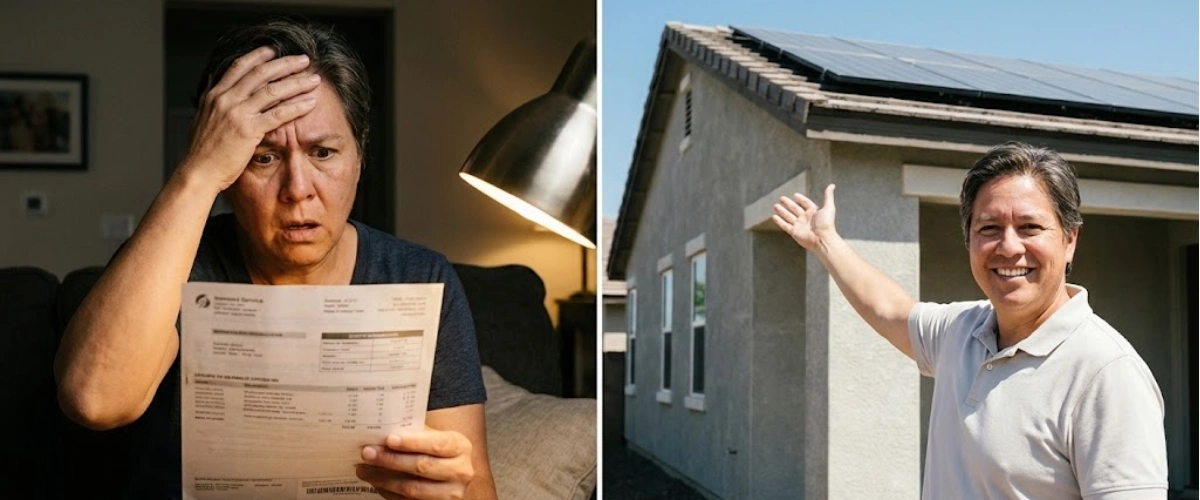
Your neighbor got solar panels installed in December 2025 and claimed the full 30% federal tax credit. They saved nearly $9,000 upfront. You waited, thinking you had more time—and now the credit's gone.
Here's the truth nobody's talking about: you might actually save more money going solar in 2026 than your neighbor did in 2025. Sounds impossible? It's not. While the tax credit created urgency, it distracted homeowners from the real reason to go solar: escaping Southern California's skyrocketing electricity rates.
Let's break down exactly why solar still delivers massive savings—even without federal incentives.
Why Southern California Electric Bills Hit Record Highs in 2026
The 30% tax credit was nice to have. But it was never the main driver of solar savings. Your monthly electric bill is.
SCE rates have increased by over 50% since 2020, and they're not slowing down. The average Southern California household now pays $250-$400 per month for electricity. That's $3,000-$4,800 per year going straight to the utility company.
SCE Rate Increases Aren't Stopping
Here's what most homeowners don't realize: why electricity bills are so high in Southern California. The California Public Utilities Commission has approved multiple rate increases through 2027, with projections showing continued 5-7% annual increases.
You're not imagining it—your bill really is getting more expensive every single year.
The Hidden Costs You're Not Seeing
Beyond the base rate increases, SCE also implemented:
- Higher peak-time charges (4-9 PM rates increased 15% in 2025)
- Increased distribution fees
- Time-of-Use (TOU) rate restructuring that penalizes evening usage
- Infrastructure upgrade costs passed directly to customers
Every year you wait to go solar is another year of paying these escalating rates with zero return.
Is Solar Still Worth It Without the Federal Tax Credit?
Yes—and here's the math that proves it.
The 30% tax credit reduced upfront costs, which was helpful. But solar's real value comes from eliminating 25+ years of utility bills. That benefit didn't disappear when the tax credit ended.
The Real ROI: Utility Bill Elimination
Let's compare two scenarios for a typical Southern California home using 1,000 kWh per month:
Without Solar (Next 25 Years):
- Current annual cost: $3,600
- With 5% annual rate increases: $172,641 total paid to SCE
With Solar (Next 25 Years):
- System cost in 2026: ~$22,000 (factory-direct pricing)
- Utility bills: $0-$50/month (grid connection fees only)
- Total 25-year cost: $22,000 + ~$15,000 in minimal fees = $37,000
Net savings over 25 years: $135,641
The tax credit would have reduced your upfront cost by $6,600. But you're still saving over $135,000 compared to staying on the grid. Solar is still worth it even without federal incentives.
Payback Period in 2026
Your solar system typically pays for itself in 6-8 years through utility savings. After that, you're generating free electricity for the remaining 17-19 years of your 25-year warranty.
Even without the tax credit, you still get:
- 6-8 year payback period
- 17-19 years of essentially free electricity
- Protection from future rate increases
- Increased home value ($15,000-$30,000 average boost)
How Solar + Battery Storage Replaces the Tax Credit Value
Here's where it gets interesting: adding battery storage in 2026 might actually give you better financial returns than the old tax credit ever did.
NEM 3.0 Changed the Game
California's Net Energy Metering 3.0 policy reduced the value of excess solar energy sent back to the grid by about 75%. This made solar batteries essential for maximizing your savings rather than optional.
But here's the silver lining: batteries let you avoid peak-time electricity rates entirely.
Battery Economics That Beat the Tax Credit
A typical 13.5 kWh battery system costs about $12,000-$15,000. Here's how it saves you money:
Evening Peak Savings:
- Peak rates (4-9 PM): $0.50-$0.65 per kWh
- Battery lets you use your stored solar: $0 per kWh
- Daily savings: $3-$6
- Annual savings: $1,095-$2,190
Time-of-Use Optimization: Your battery charges from solar during cheap rate hours and discharges during expensive peak times. This optimization alone can cut your remaining utility bill by 80-90%.
Emergency Backup Value: Southern California wildfires and grid instability mean power outages are increasingly common. Your battery keeps essentials running when the grid fails—a value that's hard to quantify but incredibly valuable when you need it.
California SGIP Rebate Still Available
While the federal tax credit ended, California SGIP rebates for home batteries are still offering $200-$1,000 per kWh in battery rebates. For a 13.5 kWh system, that's $2,700-$13,500 back depending on your situation and location.
Real Savings Without the Tax Credit: 2026 Numbers
Let's look at real numbers from actual Southern California installations to see how much money solar panels save for homeowners today.
Case Study: Typical Los Angeles Home
Home Profile:
- 2,400 sq ft home in Sherman Oaks
- Monthly usage: 950 kWh
- Current SCE bill: $340/month ($4,080/year)
Solar System:
- 8 kW system (24 panels)
- Cost: $21,600 (factory-direct pricing)
- Annual production: 12,000 kWh
Financial Breakdown:
- Year 1 savings: $3,400
- System payback: 6.4 years
- 25-year savings: $127,800
- With 5% annual rate increases: Total savings increase to $156,000+
Why Factory-Direct Pricing Matters More Now
Without the tax credit cushion, every dollar of upfront cost matters. This is where US Power's factory-direct QCells pricing becomes critical.
Traditional Solar Company: $28,000-$32,000 for same system
US Power Factory-Direct: $21,600 for same system
Your savings: $6,400-$10,400
That price difference alone nearly replaces the lost tax credit value.
How US Power Makes Solar Affordable Without Tax Credits
The tax credit is gone, but US Power's factory-direct model means you're still getting the best possible price on American-made solar panels.
What Makes US Power Different
Exclusive QCells Partnership: We're the exclusive Southern California partner for QCells—one of the top 3 solar manufacturers globally. This means:
- No middleman markup (15-20% savings)
- American-made panels from Georgia facility
- 25-year comprehensive warranty on panels, workmanship, and performance
- Same-day quotes, not waiting games
Fast Installation Timeline: Most companies are quoting 3-6 months. We're completing installations in 3-6 weeks after approval. That's months of utility bill savings you're not losing to delays.
Transparent Pricing: No hidden fees. No aggressive sales tactics. No bait-and-switch quotes. You see the real cost upfront—and it's already 15-20% lower than competitors.
175+ Five-Star Google Reviews
Our customers chose us because we don't play games. They stayed happy because we delivered exactly what we promised:
- On-time installation
- Professional, licensed consultants
- Quality workmanship
- Transparent communication throughout
Smart Financing Options Without Tax Credit Pressure
The tax credit created artificial urgency—"install by December 31 or lose $9,000!" Now that pressure is gone, you can make smarter, more strategic financial decisions.
Why Ownership Beats Leasing in 2026
Without the tax credit, owning your solar system beats leasing becomes even more important. Here's why:
When You Own:
- All savings go directly to you
- Home value increases by $15,000-$30,000
- System lasts 25-30+ years
- No escalating lease payments
- You control the system completely
When You Lease:
- Lease payments increase 2-3% annually
- Home buyers may reject your property due to lease transfer
- 20-year contracts lock you in
- No home value increase
- Zero savings after lease payments
Financing Options That Work
Cash Purchase:
- Lowest total cost
- Immediate ownership
- Fastest ROI
Solar Loans:
- $0 down options available
- Monthly payment often less than current utility bill
- Own system immediately
- Interest tax-deductible (consult tax advisor)
PACE Financing:
- Paid through property taxes
- Transfers with home sale
- No credit check required
- 20-25 year terms available
The key: your monthly solar payment should be less than your current utility bill. If it's not, the system is overpriced.
Alternative Incentives Still Available in California
The federal tax credit ended, but California homeowners still have access to valuable incentives.
State and Local Programs
SGIP Battery Rebates:As mentioned earlier, significant rebates are still available for battery storage. These can cover 20-50% of battery costs depending on your situation.
Property Tax Exemption:California's solar property tax exemption means adding solar won't increase your property taxes—even though it increases your home value by $15,000-$30,000.
Local Utility Rebates:Some local utilities offer additional incentives. Check with your provider (SCE, PG&E, LADWP) for current programs.
The Real Incentive: Escaping Rate Increases
The biggest "incentive" isn't a government program—it's locking in your electricity cost forever. While your neighbors' bills increase 5-7% annually, your solar panels keep producing at the same cost: $0.
Over 25 years, this protection from rate increases is worth more than any tax credit ever was.
Your Next Steps: Going Solar in 2026
Missing the tax credit doesn't mean missing out on savings. It just means being smarter about your decision.
What to Consider Before Going Solar
Before you schedule a consultation, make sure you understand the things you must know before going solar in California. Key factors include:
Your Current Usage: Review 12 months of utility bills to understand your baseline consumption. Systems should be sized to your actual usage, not oversized.
Roof Condition: If your roof needs replacement in the next 5 years, do it before solar. It's much easier and cheaper.
Your Goals: Are you trying to eliminate your bill entirely? Get backup power? Charge an EV? Your goals determine whether you need batteries and how to size your system.
Getting Started With US Power
Here's our straightforward process:
1. Free Consultation (30 minutes):
- Virtual or on-site
- Review your bills and usage
- Discuss your goals
- Get instant system sizing recommendation
2. Custom Proposal (Same Day):
- Exact system size and layout
- Real pricing (no hidden fees)
- Production estimates based on your roof
- Financing options
- Expected savings over 25 years
3. Fast Installation (3-6 Weeks):
- We handle all permits and paperwork
- Professional CSLB-licensed installers
- City inspection coordination
- Utility interconnection
4. Start Saving:
- System goes live
- Monitoring app shows real-time production
- Utility bills drop immediately
- 25-year warranty protection begins
What Should You Do Now?
The 30% federal solar tax credit was a nice bonus. But it was never the reason to go solar.
You go solar to stop paying $3,000-$5,000+ per year to your utility company. You go solar to protect yourself from endless rate increases. You go solar to own your energy instead of renting it forever.
In 2026, those benefits are stronger than ever. SCE rates are higher. Battery storage has made solar more valuable under NEM 3.0. And factory-direct pricing from companies like US Power means you're getting better value per dollar than homeowners who claimed the tax credit with overpriced systems.
Your neighbor who installed in 2025 got the tax credit. But you're getting smarter pricing, better technology, and the same long-term savings. Sometimes being patient pays off.
The question isn't whether you missed out. It's whether you'll take action now—or keep paying the utility company for another year while bills keep climbing.
Frequently Asked Questions
Can I still save money without the 30% tax credit?
How long does solar installation take in 2026?
What happens if I sell my house with solar panels?
Are batteries required in 2026?
Why is factory-direct pricing important now?


Maximize Solar ROI Before 30% Credit Ends
Learn how solar panels deliver fast ROI and best payback for California homes.

Why Qcells Panels Are the Best Choice for California’s Climate
QCells panels deliver reliable performance even in California’s harsh conditions.
The Surprising Way SoCal Solar Panels Save You Money
Claim 2025 solar incentives to slash your Southern California bills with US Power.







Copyright © 2025 US Power - Axia by QCells. All Rights Reserved.

Get an instant solar estimate using satellite!