



Is Solar Worth It in 2026? Real Facts for SoCal Homeowners
Solar isn't dead—it just evolved. Here's why 2026 is still worth it.
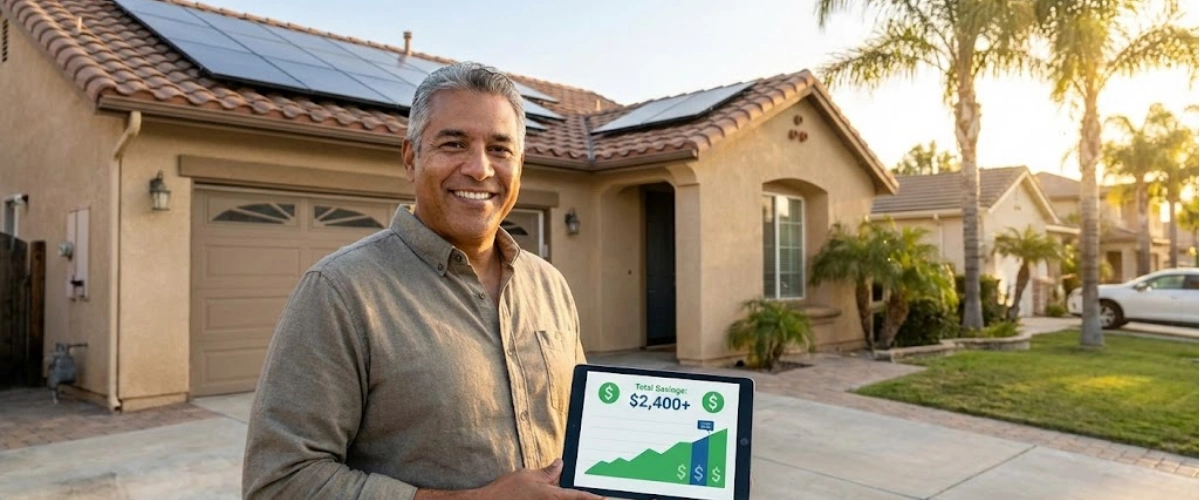
You've probably heard the whispers. "The solar boom is over." "You missed your chance." "Government incentives are gone." Maybe a pushy door-to-door salesman showed up at your house, and now you're skeptical about the whole industry. Or you saw a Reddit thread saying the market's saturated and wondered if you're too late.
Here's the truth: solar isn't dead in 2026. It just evolved. And for Southern California homeowners facing record-high SCE and PG&E bills, the math still works—you just need to understand what changed and how to avoid getting ripped off.
Why People Think Solar Is "Dead" in 2026
The Rumors You've Heard
The solar skepticism is real, and it comes from three main sources. First, government incentives have changed. The federal tax credit dropped from 30% to 26% for most of 2025 and continues phasing down. Second, California's Net Energy Metering 3.0 (NEM 3.0) reduced the credit homeowners receive for excess solar energy sent back to the grid. Third, you've probably experienced aggressive door-to-door salespeople who made the industry feel desperate or untrustworthy.
These concerns are valid. The solar landscape did change. But here's what the skeptics aren't telling you.
What Actually Changed vs. What Stayed the Same
Yes, NEM 3.0 reduced export credits by about 75% compared to the old system. But NEM 3.0 changes didn't kill solar—it just shifted the strategy. Now, the focus is on self-consumption rather than selling power back to the grid. That's where battery storage comes in.
What stayed the same? Your electricity bills. In fact, they got worse. SCE rates have increased over 50% since 2020, and there's no sign of slowing down. Why electricity bills keep rising means that even with reduced export credits, you're still saving money by not buying power from the utility at peak rates.
Why Southern California Electric Bills Hit Record Highs in 2026
SCE Rate Increases Nobody Talks About
Southern California Edison customers saw their rates jump dramatically over the past few years. The average SCE bill in Los Angeles County now exceeds $200 per month for a typical 3-bedroom home. Peak-hour rates can hit $0.60 per kilowatt-hour during summer afternoons. That's double what you paid just five years ago.
The drivers behind these increases include wildfire prevention costs, grid infrastructure upgrades, and rising natural gas prices. These factors aren't going away. In fact, California regulators have approved rate increases through 2027, meaning your bills will keep climbing whether you go solar or not.
The Hidden Costs You're Not Seeing
Beyond the obvious monthly charges, you're paying for electricity during the most expensive hours without realizing it. Your air conditioner runs hardest between 4-9 PM—exactly when SCE charges premium rates. Your electric vehicle charges overnight, but even off-peak rates have increased. Every month you wait, you're essentially throwing away money that could have gone toward owning your own power system.
The Real Math: Does Solar Still Save Money in 2026?
Breaking Down 2026 Solar Economics
Let's use real numbers. A typical 8kW solar system in Southern California costs around $24,000 before incentives. With the current federal tax credit (even at reduced rates), you're looking at $18,000-$20,000 out of pocket. Your monthly savings? Between $150-$250 depending on your current usage and rate plan.
That means a payback period of 6-8 years—still excellent for a system that lasts 25+ years with a comprehensive warranty. Over the system's lifetime, you're looking at $60,000-$90,000 in total savings. Solar still saves money in 2026 shows the detailed breakdowns for different home sizes and usage patterns.
Why Battery Storage Changed Everything
Here's where 2026 solar gets interesting. Under NEM 3.0, battery storage is essential because it allows you to store your daytime solar production and use it during expensive evening hours instead of selling it back to the grid at reduced rates. You're essentially creating your own power bank.
A battery adds $10,000-$15,000 to your system cost, but it also qualifies for the federal tax credit and potentially the SGIP (Self-Generation Incentive Program) rebate in California. More importantly, it maximizes your solar investment by eliminating peak-hour grid usage entirely.
How to Avoid Pushy Solar Sales Tactics in 2026
The Good, the Bad, and the Legitimate D2D
Let's address the elephant in the room: door-to-door solar sales. Yes, some companies use aggressive tactics that give the industry a bad reputation. You've probably experienced the high-pressure pitch, the "limited-time offer," or the salesperson who won't take no for answer.
But here's what many people don't realize—not all door-to-door solar consultations are predatory. Legitimate companies use local consultants to educate homeowners about options available in their specific area. The difference is in the approach: professional consultants provide information and answer questions, while pushy salespeople create artificial urgency and pressure you to sign immediately.
Red Flags vs. Green Flags When Choosing Solar
Red flags include companies that won't provide detailed quotes in writing, refuse to explain their pricing breakdown, push you to sign the same day, or make unrealistic promises about "zero bills forever." These are signs of companies more interested in commissions than your actual savings.
Green flags look different. How to choose a reputable solar company involves finding CSLB-licensed installers who provide transparent pricing, offer multiple financing options, give you time to make decisions, and back their work with comprehensive warranties. They should welcome questions, not discourage them.
Questions to Ask Before Signing Anything
Before committing to any solar company, ask these critical questions: What's the total system cost in writing? What's included in the warranty and for how long? How long is the installation timeline? What happens if I sell my house? Can I see references from recent local installations? A legitimate company will answer all these confidently. If you're looking for guidance on avoiding predatory solar contracts, start by demanding complete transparency.
What US Power Does Differently from Other Solar Companies
Factory-Direct QCells Pricing Advantage
US Power's unique position as an exclusive QCells partner means we eliminate the middleman markup. You're getting American-made panels directly from the manufacturer at prices 15-20% below typical market rates. This isn't a sales gimmick—it's basic economics. Fewer hands in the supply chain means more savings for you.
Our consultants are CSLB-licensed professionals, not commission-hungry salespeople. They're trained to educate, not pressure. Transparent pricing without hidden fees means you see exactly what you're paying for—panels, inverters, installation labor, permits, everything. No surprise charges six months later.
25-Year Comprehensive Warranty That Actually Means Something
Most solar companies offer 25-year panel warranties but exclude installation workmanship or performance guarantees. US Power covers it all: panels, installation quality, and power production—all backed by QCells' manufacturing reputation. If something goes wrong in year 15, you're protected. That peace of mind is worth considering when comparing quotes.
3-6 Week Installation Timeline After Approval
While many solar companies promise quick installations but take 4-6 months to complete projects, US Power averages 3-6 weeks from approval to Permission to Operate (PTO). Why? We handle permitting efficiently, stock our own equipment, and use experienced local installation crews. You're not waiting months to start saving.
Why Timing Still Matters in 2026
Federal Tax Credit Phase-Down Schedule
While the federal solar tax credit isn't disappearing entirely, it is decreasing. The 26% credit available now drops to 22% in 2026, then to a permanent 10% for commercial installations (residential may expire completely). Federal solar tax credit deadline means waiting costs you thousands in lost incentives.
On a $24,000 system, the difference between 26% and 22% is nearly $1,000. Between 26% and 10% (or zero) is over $3,800. That's real money that could cover your battery storage upgrade or simply reduce your payback period.
Installation Capacity and Timeline Pressures
As the tax credit phases down, there's typically a rush of homeowners trying to qualify before the deadline. This creates installation backlogs in late 2025 and early 2026. Companies with limited crews or equipment shortages may not complete your project in time to claim the higher credit rate. Starting now gives you buffer time.
Don't Let Misinformation Cost You Thousands
The narrative that "solar is dead" benefits one group: utility companies. Every month you wait to go solar is another month paying premium rates for electricity that keeps getting more expensive. Yes, the market evolved. Yes, you need to be careful choosing a company. But the fundamentals remain: Southern California has abundant sunshine, rising electricity costs, and proven technology that pays for itself.
The homeowners who went solar in 2020 when everyone said it was "too expensive" are now laughing at their $20 monthly electric bills while their neighbors pay $300+. Don't let skepticism or bad door-to-door experiences prevent you from investigating your actual savings potential.
US Power's consultants aren't here to pressure you—they're here to show you the numbers. If solar doesn't make sense for your situation, they'll tell you honestly. But for most Southern California homeowners facing SCE's rate increases, the math is compelling.
Frequently Asked Questions
Is solar still profitable without the 30% tax credit?
How do I know if a solar company is legitimate?
What if I sell my house with solar panels?
Can I add a battery later if I start with just panels?
What happens during power outages if I have solar?


How to Size Your Solar System Correctly in California (2026 Guide)
Stop paying for solar panels you don't need. Learn how to size your solar system.
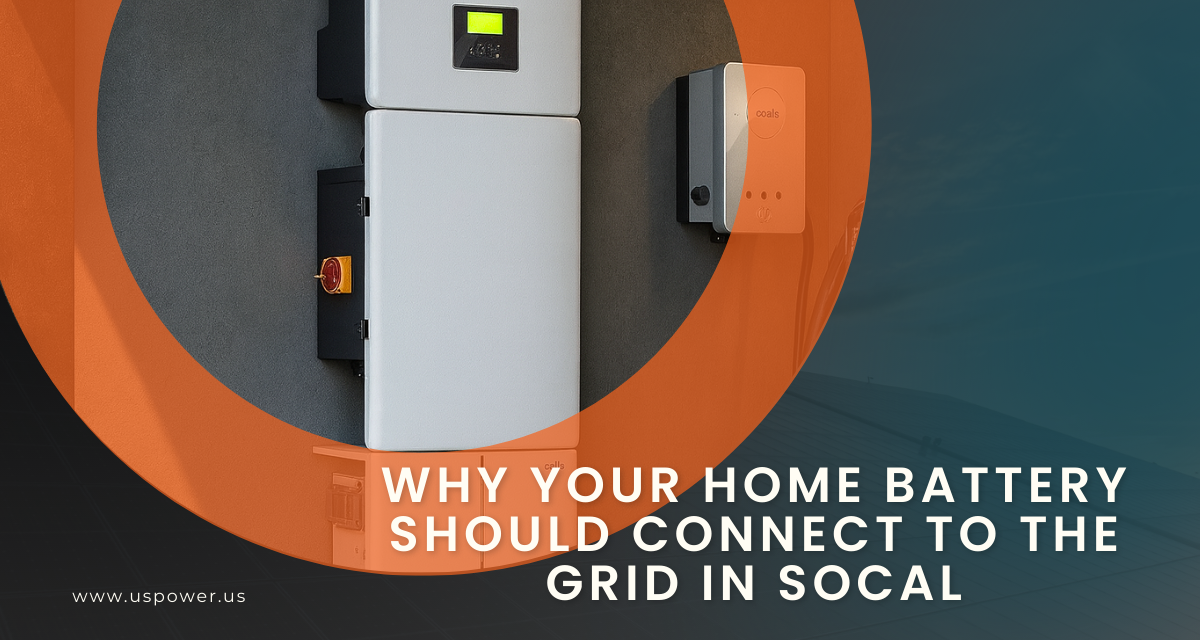
Why Your Home Battery Should Connect to the Grid in SoCal
Grid-connected solar batteries offer backup, savings, and support under NEM 3.0.

A Southern California Homeowner's Guide to Avoiding Overpaying
Getting solar quotes that differ by thousands of dollars? You're not alone.







Copyright © 2025 US Power - Axia by QCells. All Rights Reserved.

Get an instant solar estimate using satellite!