




How To Achieve Zero PG&E Usage in Winter with Solar

Maximize self-consumption and minimize PG&E costs with the right solar system and battery solutions for your Southern California home.
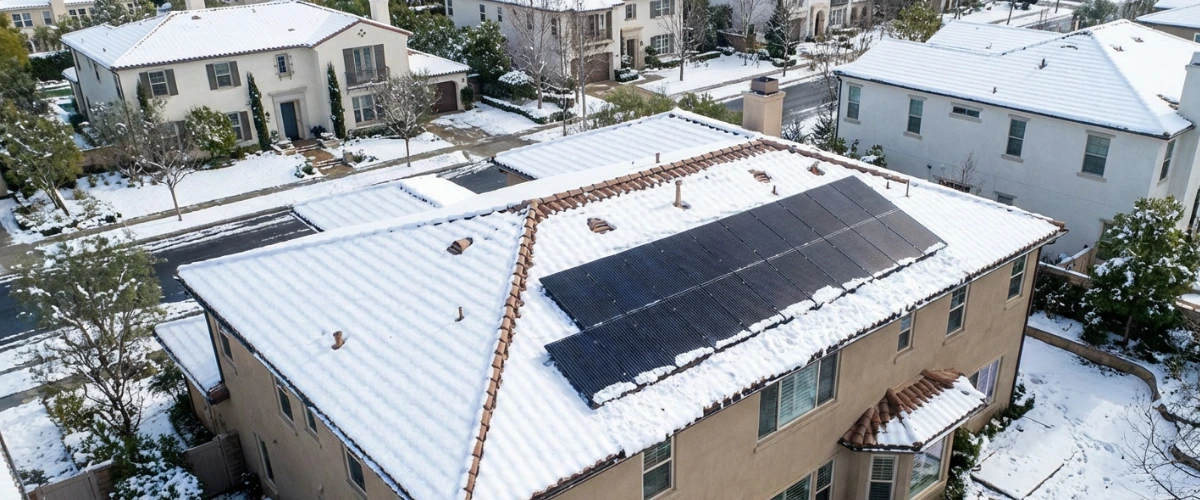
Tired of rising utility bills and grid dependence? Southern California homeowners know the frustration: rising energy costs, unpredictable utility bills, and reduced export rates for solar energy. Even with solar panels, high grid charges and low grid export credits often leave homeowners paying more than expected. Learn more about why electricity bills are so high in Southern California.
Imagine achieving zero grid dependence — your home running on stored solar power day and night, winter and summer. With the right solar system and battery solutions, it’s possible to turn your home into a fortress power hub that maximizes solar generation and minimizes reliance on PG&E.
This post breaks down exactly how a properly designed solar + battery system can deliver power zero and energy independence while lowering long-term costs.
Why Homeowners Struggle with Utility Costs
Many homeowners feel trapped under traditional grid tie systems, paying for electricity they rarely use. Key challenges include:
Low Export Credits
Under California’s Net Energy Metering (NEM 3.0) policy, grid export rates dropped drastically. Excess solar generation sold back to the utility now fetches just $0.06–$0.08/kWh, making export systems far less profitable. Without a battery, midday solar surplus is wasted.
Rising Energy Costs and Grid Instability
Southern California has some of the highest residential electricity rates in the nation. Blackouts, rolling outages, and wildfire-related shutdowns are increasingly common. For many, relying solely on the utility grid is no longer viable — smart solar energy solutions for homeowners are required to maintain consistent power.
The New Reality: Solar + Battery = Zero Grid
Instead of exporting your solar energy to the grid at minimal rates, storing it in a battery system allows your home to operate at zero grid usage — even in winter. Key benefits include:
- Self-Consumption: Stored solar power covers evening and nighttime energy consumption, reducing utility costs.
- Higher Returns: Well-designed solar + battery systems pay for themselves in 7–10 years, generating decades of savings.
- Resilience: Battery solutions ensure backup power for lights, appliances, and EV chargers during outages.
- Maximized Solar Generation: Properly sized solar systems capture and store more energy, achieving power zero and reducing reliance on grid tie setups.
Solar System for Winter Grid Zero Dependence
Here’s a breakdown of a typical Southern California solar + battery system that achieves zero PG&E usage:
By combining high-efficiency solar panels with a correctly sized battery system, I achieved zero grid operation — meaning PG&E supplied virtually no electricity during winter months.
Common Mistakes to Avoid
Oversizing for Export: With current export system rates low, generating excess energy for the grid wastes potential.
Skipping Batteries: Without a battery, solar generation during midday is sold cheaply, leaving your home reliant on the utility grid at night.
Choosing Cheap Panels or Inexperienced Installers: Low-cost equipment may reduce initial costs but risks underperformance and maintenance issues, reducing the effectiveness of solar energy solutions.
Why Solar + Battery is the Smart Choice
Southern California homeowners benefit most when they:
- Want true power zero independence from PG&E.
- Seek long-term savings on energy costs.
- Desire backup power solutions during outages.
- Own or plan to own EVs, increasing energy consumption.
- Plan to stay in their home long enough to achieve payback on their solar system.
With incentives like the federal tax credit and SGIP rebates still available in 2025, now is the ideal time to invest in renewable energy and solar energy solutions.
Achieve Zero PG&E Usage — Start Your Journey
A modern solar + battery system transforms your home into a fortress power setup, reducing grid solar reliance and turning solar generation into usable power day and night.
Get a free consultation today to see how many panels and what battery solutions your home needs for zero grid, zero PG&E usage, and long-term savings. Your solar system can provide a lifetime of renewable energy, power solutions, and true independence from the utility.
Because the sun isn’t just energy — it’s power you own, a solar system built for zero grid.
Frequently Asked Questions
How can I achieve zero PG&E usage in winter with solar?
You can achieve zero PG&E usage by combining a properly sized solar array with a battery storage system. This setup stores excess solar energy generated during the day and powers your home at night, even during winter, reducing reliance on the utility grid.
What is a zero grid solar system?
A zero grid solar system is a solar + battery setup that allows your home to operate independently from the utility grid. It maximizes self-consumption of solar energy, minimizes grid exports, and ensures power is available during outages.
Why are batteries important for reducing utility costs?
Without a battery, excess solar energy is sold to the grid at low rates under California’s NEM 3.0 policy, and homes remain dependent on the grid at night. Batteries store this energy, increasing self-consumption, resilience, and long-term savings.
How much does a solar + battery system cost and how long until it pays off?
A typical Southern California system costs approximately $2.60–$3.10 per watt for panels plus $1,000–$1,300 per kWh for batteries. With incentives like the federal tax credit and SGIP rebates, payback is usually 7–10 years, after which the system continues to deliver long-term savings.
What are common mistakes to avoid when aiming for power zero?
Common mistakes include oversizing your system for export, skipping batteries, and choosing low-quality panels or inexperienced installers. These can reduce solar efficiency, limit energy independence, and increase reliance on the utility grid.
Frequently Asked Questions


Don’t Risk Your Roof—What You Must Know Before Installing Solar
Claim the 30% solar tax credit with efficient installation. Install solar safely.

Essential Steps to Prevent Solar Regret for Homeowners
Avoid solar regret with expert planning for panels, battery, and future needs.
Things You MUST KNOW Before Going Solar in California
California rules, incentives, and savings make solar a smart move for homeowners.








Copyright © 2025 US Power - Axia by QCells. All Rights Reserved.

Get an instant solar estimate using satellite!