




From High Bills to Near-Zero Home Solar + Battery Benefit

Transform $500–$700 monthly bills into predictable, low-cost energy with our solar panels and battery storage. Take advantage of the 30% federal tax credit.
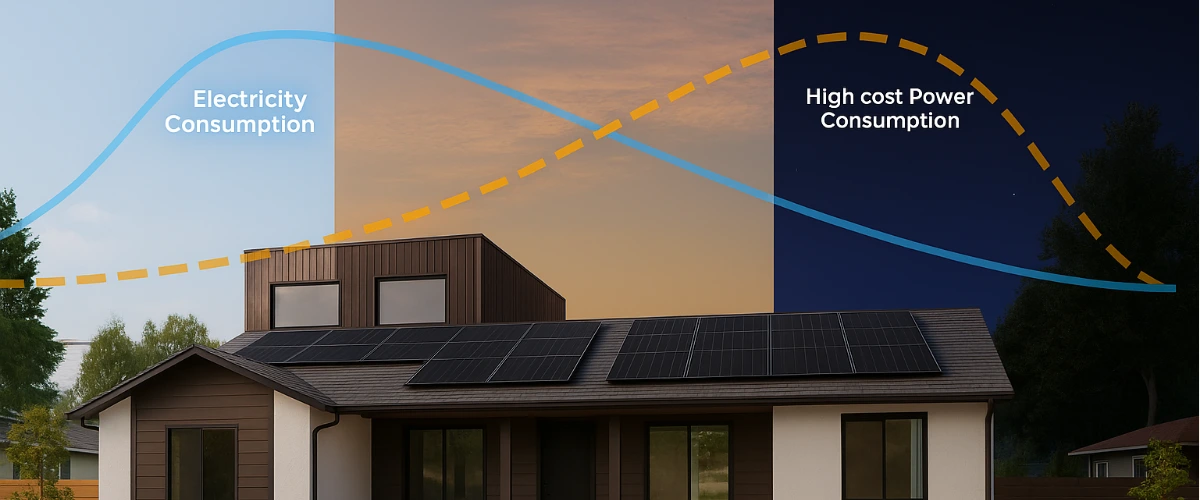
For many Southern California families, soaring electricity bills and rising EV charging costs are putting real strain on the household budget. What if those bills — $500, $600, even $700 a month — could be drastically reduced with one smart decision? That’s exactly the kind of life-changing relief US Power offers with factory-direct QCells solar panels.
If your home relies heavily on grid power — especially if you charge an EV, run air conditioning, or power a large household — a properly sized solar + battery setup can turn monthly bills into predictable, low-cost electricity. In 2025, with incentives still available and electricity rates climbing, now is one of the best times to lock in big savings.
Ready to see how much you could save? Let’s break it down.
Why 2025 is a Sweet Spot for Solar + Battery in California
Federal Tax Credit + Battery Incentives Make Big Systems Affordable
In Southern California, residential solar installations typically cost about $2.50–$3.50 per watt before incentives. For example, a 7–8 kW system (ideal for an EV-charging household) normally falls in the $20,000–$28,000 range before incentives.
Thanks to the federal solar investment tax credit (ITC), homeowners can reduce installation costs by 30%, a massive incentive still available through December 31, 2025. Battery storage is increasingly valuable because Time-of-Use rates and limited export credits make storing your solar energy more cost-effective than sending it back to the grid.
In short: you can secure high-quality equipment and installation now — and benefit from significant savings and incentives before they decrease.
What a “Realistic” Solar + Battery Setup Looks Like in Southern California
Typical System Cost & Payback for Homeowners
For a “standard but large enough” system — around 7–8 kW — with battery storage:
Combined, a solar + battery system can be installed at a net cost in the $20,000–$25,000 range — a major discount compared to previous years.
With typical Southern California electricity rates, many homeowners who go solar + storage see payback periods of 6–8 years, while locking in long-term savings as utility rates continue to rise.
“Big Battery + Solar” — When It Makes Sense (And When It Doesn’t)
When a Larger System Is Smart: EV Owners, Evening Use & Rate Hikes
A larger battery plus a robust solar array is ideal if:
- You frequently charge an EV (especially at night), rather than during the day.
- Your household has high evening or overnight electricity usage (AC, appliances, charging, etc.).
- Time-of-Use rate plans make storing solar energy more valuable than exporting it to the grid.
Under these conditions, a 7.5–8 kW solar system with an adequately sized battery can dramatically reduce — or even nearly eliminate — utility bills, giving you predictable monthly costs and energy independence.
When a Smaller System Might Be Better: Daytime EV Charging & Moderate Household Use
If you charge your EV during the daytime (while solar is producing) and your electricity usage is modest, a smaller battery or solar-only system may offer faster payback and lower upfront cost. Why? Batteries add 25–50% more to the total system cost compared to solar panels alone. If your household mostly uses electricity during the day, a smaller system can still cover most consumption.
Case in point: many standard 5–6 kW systems — with minimal battery storage — still provide solid savings for homes without heavy evening demand.
How US Power + QCells Gives Southern California Homeowners the Smart Advantage
Factory‑Direct Pricing & American-Made Panels
US Power sources high-quality solar gear directly, bypassing unnecessary markups. That means you pay less than market average for comparable systems.
QCells panels deliver reliable performance, strong warranties, and proven efficiency — perfect for maximizing solar yield in sunny Southern California climates.
Smart System Design: Right Size, Not Oversized — Unless You Need It
Because US Power specializes in customized system design, they match your installation to your household usage, EV charging habits, and lifestyle. That means:
- 3–4 bedroom homes: a 6–7 kW solar array may be sufficient.
- Homes with EVs, high evening use, or AC: a 7.5–8 kW array plus a well-sized battery can offer the greatest financial benefit.
Incentive-Savvy: Lock in 30% ITC + Battery Rebates
With the 30% federal tax credit still in place for 2025 installations, plus available battery incentives, this is one of the last windows to maximize full savings under current rules.
What Southern California Homeowners Should Do Before Signing
- Request a detailed energy assessment. Match your historical electricity and EV charging data with projected solar output — and account for cloudy or high-demand days.
- Confirm battery size makes sense. Avoid paying for oversized storage you won’t use.
- Check warranty and maintenance. Panels, inverters, and batteries should last 25+ years.
- Ensure eligibility for incentives. Confirm installation timelines to qualify for the full 30% ITC and battery rebates.
- Evaluate ROI horizon. Estimate payback period (often 6–8 years) and long-term savings, factoring rising electricity rates.
Sample SoCal Scenario: From $250–$300 Electric Bills to Near-Zero
Imagine a 4‑bedroom house in Los Angeles County with:
- Monthly electricity bill: $250–$300
- Evening EV charging: 15–20 kWh nightly
- Peak-rate electricity: $0.35–$0.45/kWh
With a 7.5 kW QCells solar array + 13.5 kWh battery from US Power:
- Federal ITC and battery rebates reduce upfront cost by ~30–40%
- System offsets daytime use, charges battery for evening consumption
- Payback typically: 6–8 years
- Long-term savings: tens of thousands of dollars, plus increased home value
That’s not a “nice-to-have” — that’s financial peace of mind.
If skyrocketing energy bills, EV charging costs, and unpredictable monthly expenses are stressing your family, there’s a proven solution. With US Power’s factory-direct QCells solar + battery packages, Southern California homeowners can lock in affordable, clean energy now — with confidence.
Don’t wait. With the 30% federal tax credit and battery incentives still available in 2025, every month you delay could cost you thousands in lost savings.
Schedule a free energy assessment and custom solar + battery quote. Take control of your electricity bills and start saving today.
Frequently Asked Questions


Pros & Cons of Today’s Solar Batteries: A Guide for Homeowners
Weigh the benefits and drawbacks of each solar battery to maximize energy savings.

Are Batteries Worth It for Solar in California?
Explore whether adding a battery to your solar system maximizes your savings.
Urgent Demand for Solar + Battery Backup in SoCal
Rising rates and outages drive SoCal homeowners to secure solar with storage.








Copyright © 2025 US Power - Axia by QCells. All Rights Reserved.

Get an instant solar estimate using satellite!